
Sri Lanka Faces Critical Shortage of Medicines, Including Essentials
Sri Lanka is currently experiencing a significant shortage of over 380 medicinal drugs, including essential medicines, impacting both state and private healthcare facilities.
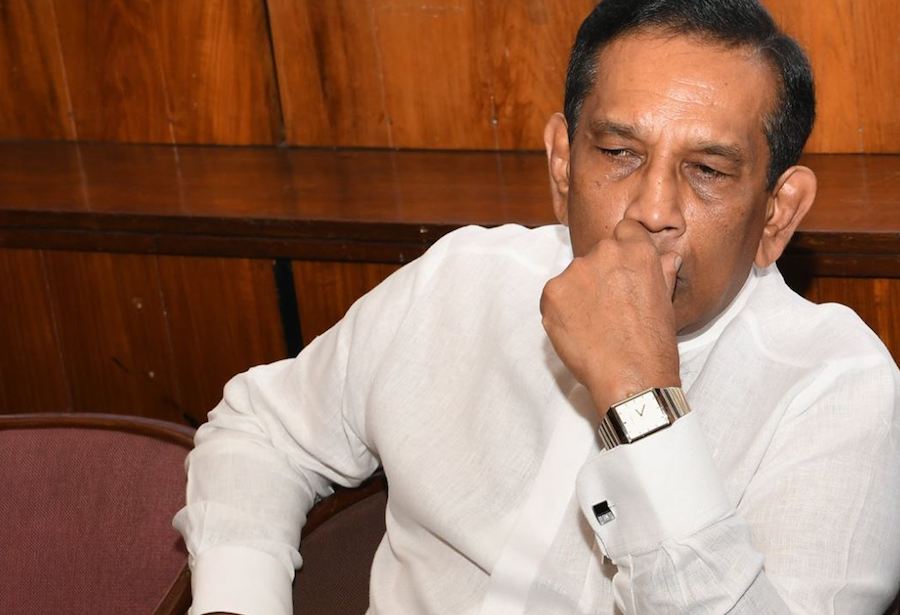
Former Minister of Health Rajitha Senaratne revealed today that all hospitals across the country have ceased conducting blood tests in-house for the past four months, forcing patients to seek testing from private laboratories at their own expense. “They are conducting it through laboratories. The blood tests are done from outside, with patients spending money,” Senaratne stated. “During my tenure, I prohibited tests from being conducted outside of the hospital. All tests were done in-house for free. But today, they are being conducted for money.” This shift places a financial burden on citizens already struggling with economic hardship.
Senaratne further highlighted the increasing financial strain on patients requiring surgery, noting that individuals are now being provided with lists of medical supplies they must purchase themselves. He cited a recent case where a patient faced potential expenses of between Rs. 50,000 and Rs. 100,000 for a bypass surgery. Access to timely and affordable healthcare is a fundamental right, and these shortages raise serious concerns about equitable access to treatment. For more information on global healthcare access challenges, see the World Health Organization’s fact sheet on Universal Health Coverage.
The former Health Minister questioned the ability of patients to manage these unexpected and substantial medical costs. Sri Lanka’s healthcare system has faced increasing challenges in recent years, exacerbated by the ongoing economic crisis.
Officials have not yet commented on specific plans to address the shortages, but are reportedly working to secure emergency supplies.
