
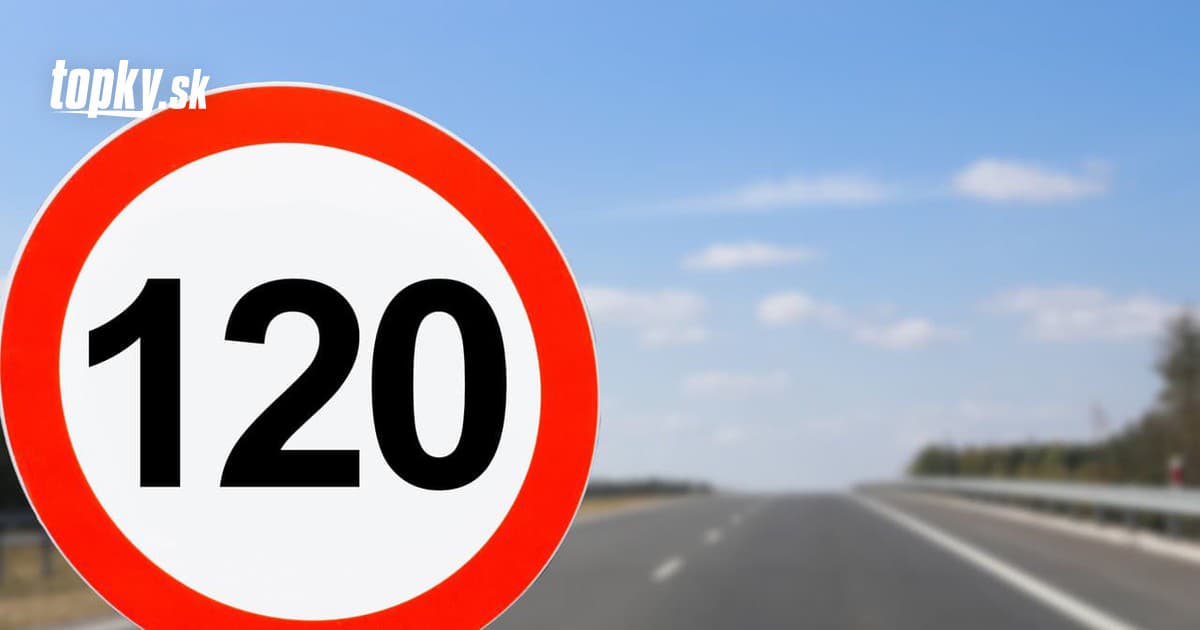
Ilustračná foto. (Zdroj: Getty Images/szakalikus)
BRATISLAVA – The conflict in the Middle East is triggering an oil crisis unlike any seen in the modern era, creating a new set of challenges for global economies. Slovakia is already experiencing sharp increases in fuel prices, rationing measures, and dual pricing structures. Now, authorities are implementing further restrictions aimed at conserving diesel fuel: a reduction in maximum speed limits.
Rising fuel costs for foreign drivers, a 50-liter limit per tank, a 400 euro cap for trucks, and a 10-liter limit for jerrycans are among the latest measures, some already in effect and others set to grab hold from midnight Monday. The situation is intensifying as the Hormuz Strait remains closed and ongoing attacks on energy infrastructure in Iran and Israel have pushed crude oil prices to a four-year high, exceeding $110 per barrel. Previously, the price hovered around $60 per barrel, driving up fuel costs across neighboring countries, nearing the 2 euro per liter mark.
Archívne VIDEO Tlačová konferencia Roberta Fica a Denisy Sakovej z Úradu vlády
Tlačová konferencia Roberta Fica a Denisy Sakovej z Úradu vlády (Zdroj: Topky/Vlado Anjel)
However, the oil crisis stemming from the Middle East conflict is expected to bring further restrictions that motorists may not have anticipated. Experts are proposing a 10 kilometer per hour reduction in the maximum permitted speed on highways. For drivers in Slovakia, this would mean a maximum speed of 120 kilometers per hour on highways and expressways. This drastic plan was announced by the International Energy Agency (IEA), as reported by autoviny.sk. The move underscores the growing concern among policymakers about energy security and the potential for sustained price increases.
Return to Home Office?
The speed restriction on highways is intended to be a key weapon in the fight against fuel shortages. According to experts, slower highway speeds can lead to significant fuel savings, with consumption decreasing by 5 to 10 percent when reducing speed by at least 10 kilometers per hour. This could result in a 6 percent reduction in overall national oil demand.
Experts suggest the Slovak government should act swiftly, implementing the changes immediately using electronic information boards on highways and expressways. The government could encourage public sector entities to lead by example. For instance, on the Bratislava bypass, where the current speed limit is 130 kilometers per hour, it would be reduced to 120 kilometers per hour. The IEA cites Pakistan as an example, having already lowered highway speed limits from 120 to 100 kilometers per hour in response to the oil crisis, with similar restrictions applied to freight transport.
The IEA also proposes another option to lower fuel demand: increased remote perform and reduced unnecessary business travel, including air travel – a practice widely adopted during the coronavirus pandemic. Another suggestion is a ban on car use in major cities one day a week, dubbed “car-free Sundays.”
