
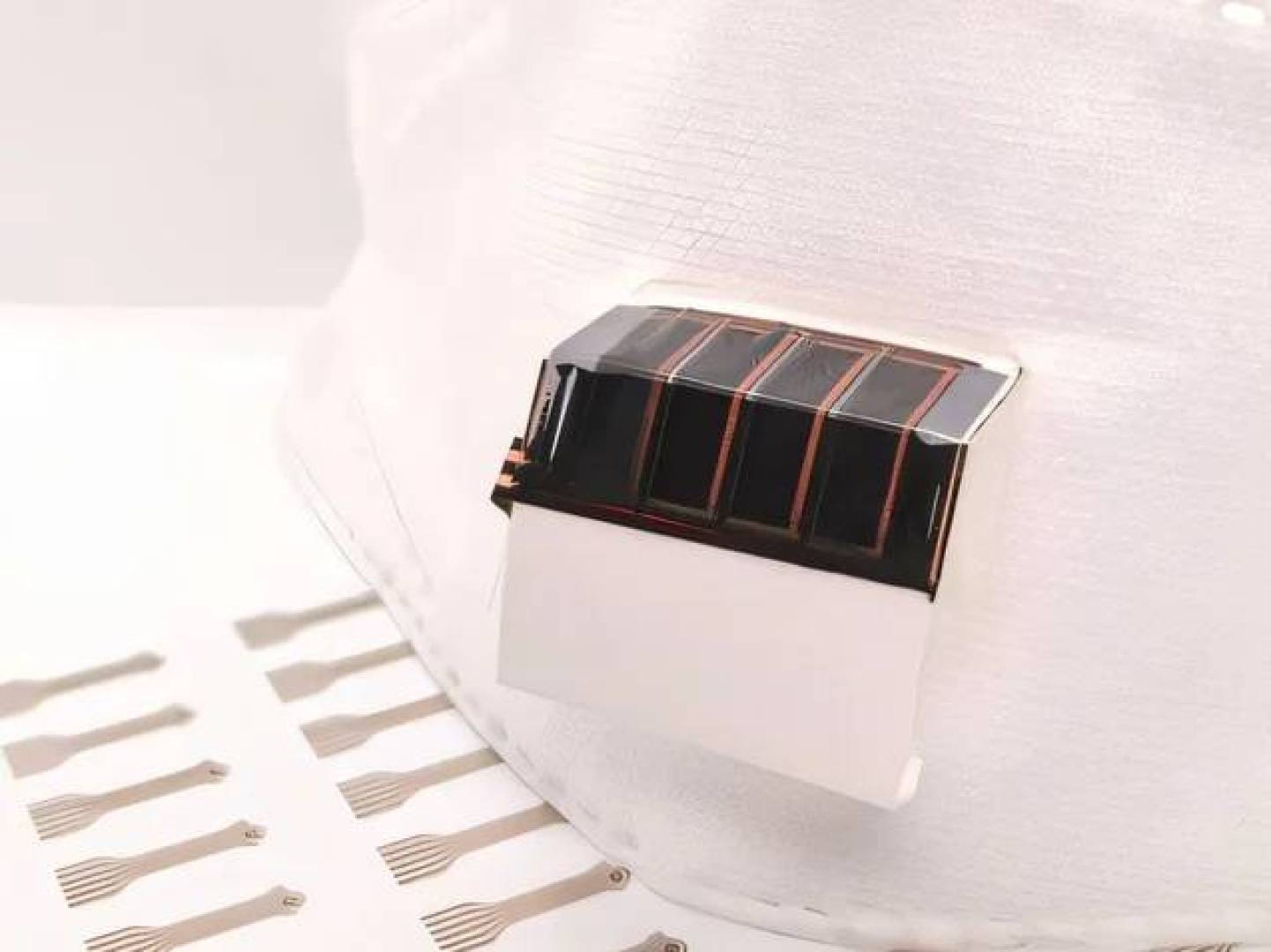
A latest smart mask capable of analyzing human breath and monitoring key chemical biomarkers in exhaled air has been developed. The device, powered by solar energy, allows for independent operation over extended periods without needing to be recharged.
Engineers at the California Institute of Technology designed the innovation, which can track chemical changes associated with respiratory illnesses like tuberculosis and asthma, potentially contributing to earlier detection. This development arrives as respiratory illnesses continue to pose a significant global health challenge, highlighting the require for accessible and continuous monitoring tools.
How the Smart Mask Works
The mask relies on advanced sensors capable of detecting specific chemical compounds in exhaled breath, which serve as vital biomarkers linked to lung infections. The device is as well equipped with flexible solar elements that provide a sustainable power source.
The mask is designed to operate continuously around the clock, and can be used for several days without interruption, making it suitable for ongoing health monitoring. Researchers said they were able to improve the mask’s lifespan and performance through advanced materials science and system design.
The Importance of Breath Analysis in Medical Diagnosis
Exhaled breath is a rich source of medical information, allowing for health assessment without the need for invasive procedures. Unlike other bodily fluids such as sweat or saliva, breath samples are collected entirely passively, making this technique comfortable and easy to use.
This feature is particularly essential for multiple groups, including children, the elderly, and patients in critical condition, where their health can be monitored without discomfort or complex procedures.
Benefits of the Smart Mask in Patient Follow-up
The mask can measure levels of substances like lactate in breath, then send the data directly to a smartphone. This helps doctors follow up on patients’ conditions continuously during their daily lives, without the need for frequent hospital visits. The ability to remotely monitor patients could improve care access and reduce healthcare burdens.
The innovation also focuses specifically on the early detection of tuberculosis, a serious disease globally, which may contribute to improved treatment outcomes and reduced infection spread.
Plans for Expansion and Practical Application
Researchers have already begun working to apply this technology in collaboration with the Bill & Melinda Gates Foundation, with the goal of studying the possibility of distributing these masks in some regions of Africa, where respiratory diseases are widespread.
Previous Developments in the Field of Smart Masks
In related news, scientists from Kamchatka State University previously developed a face mask made of brown algae in the form of a disc, reflecting the growing interest in developing innovative technologies in the field of health protection.
