
2026 is proving to be a challenging year for games-as-a-service, as Highguard has become the latest example of market volatility in the sector. The rapid rise and fall of these titles underscores the difficulty of sustaining player engagement in a competitive landscape.
In an unusual move, Sony has decided to refund purchases of in-game microtransactions for Highguard, following the game’s shutdown mirroring the fate of Concord. This decision aims to avoid a potential public relations crisis.
The shutdown, announced just weeks after launch, indicates extremely limited player interest and makes maintaining the game’s servers unsustainable.
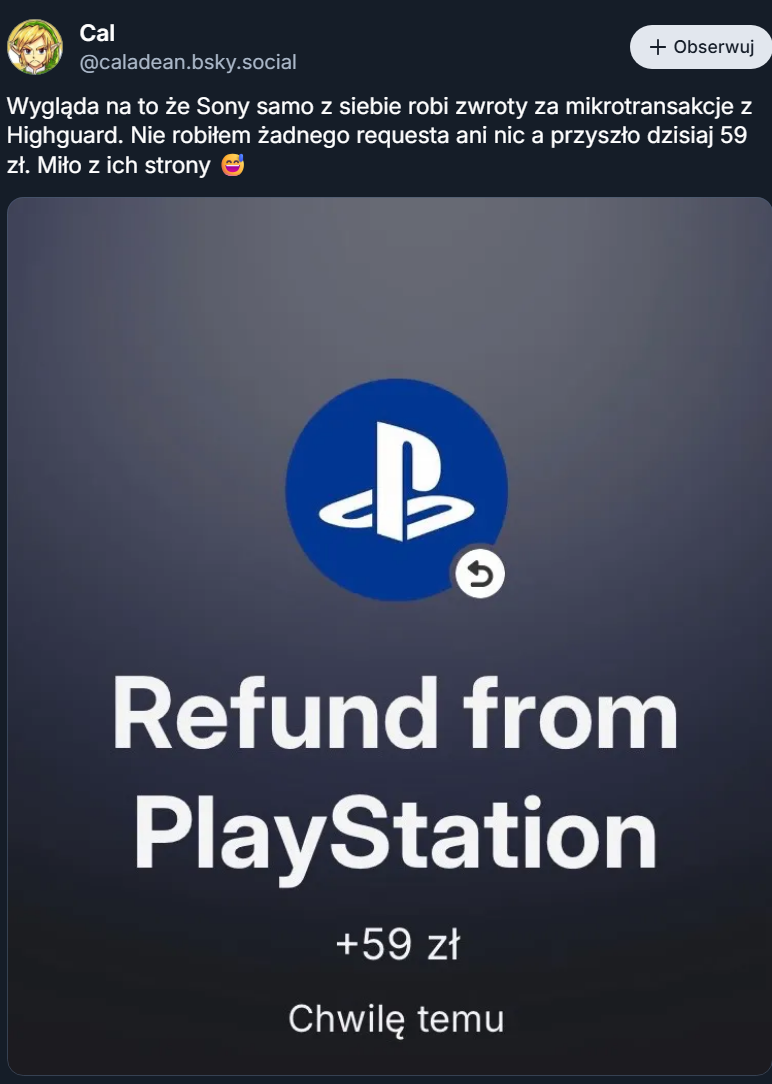
The refund process is proceeding smoothly, though experiences vary by platform. PlayStation Network users report automatic transaction reversals, a relatively rare occurrence in the digital distribution space.
Steam and Microsoft Store users are generally required to initiate refund requests themselves, but reports on online forums suggest platforms are readily issuing refunds, even to players who spent significant amounts on in-game content. One player claimed to have recovered nearly $300 spent on nearly all available items before the shutdown announcement.

For Wildlight Entertainment and Sony’s network gaming division, this represents a significant loss, effectively resulting in zero revenue for the project. Industry observers suggest this “pro-consumer” approach to refunds is becoming a defensive standard – publishers recognize that failing to refund purchases for unsuccessful products will erode trust in new, unproven live-service brands.
The gaming industry is watching this series of failures with concern, and forums are increasingly filled with questions about the stability of other upcoming network titles, which will now face a more skeptical community.
