
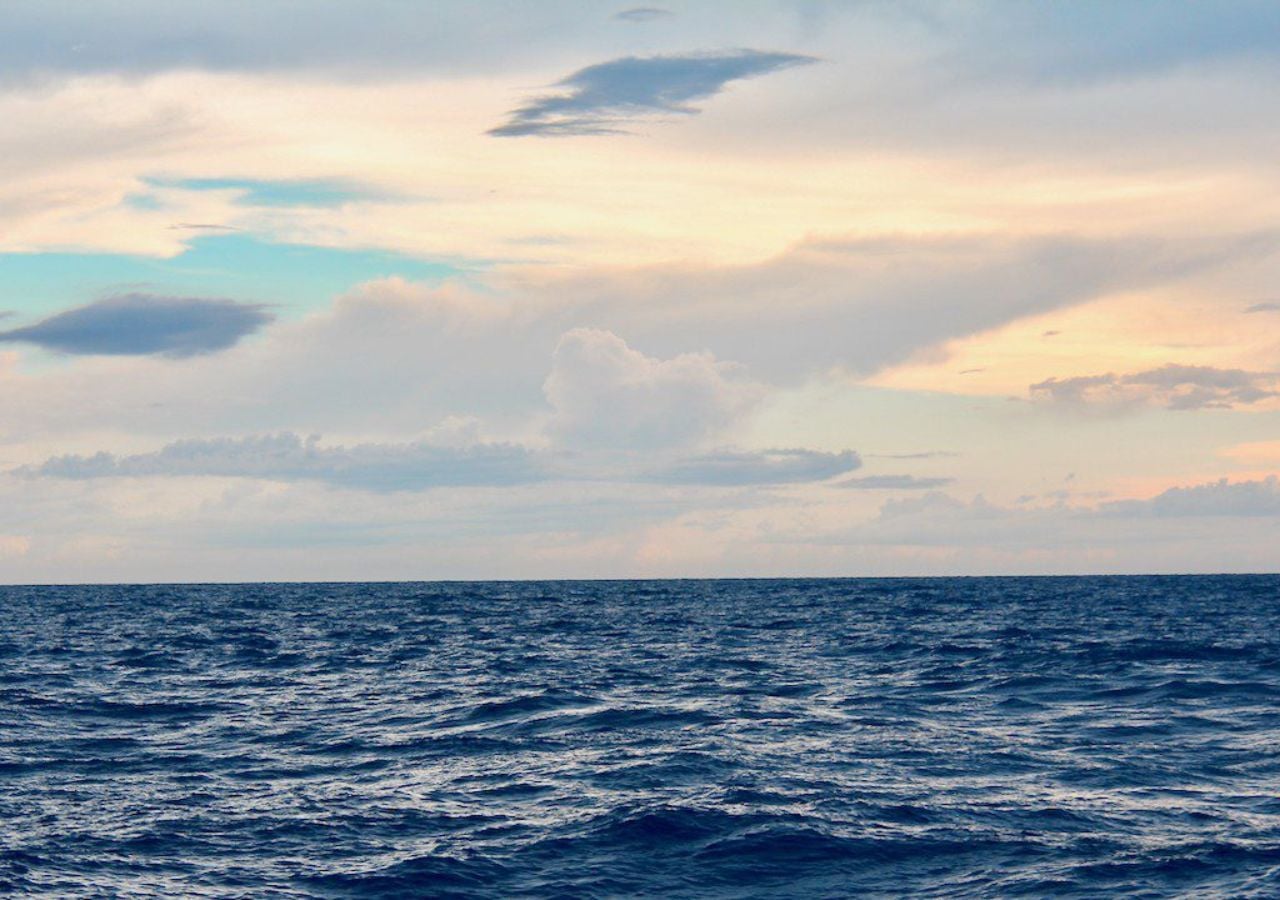
New research published this week in Atmospheric Chemistry and Physics sheds light on the complex interplay between rainfall, atmospheric particles, and cloud formation over the remote Southern Ocean.the international study,led by a Chilean academic,offers critical insights into a region largely untouched by human interference-and a key area for improving global climate models. Understanding these processes is increasingly vital as scientists work to more accurately predict the impact of climate change on weather patterns and sea levels worldwide.
In the remote southern reaches of the planet, where winds flow unobstructed and the ocean seems to stretch endlessly, clouds tell a story often overlooked. While they appear to most as simple white formations moving across cold waters, to scientists they represent sensitive components of a system that regulates Earth’s temperature.
A new international study, published in Atmospheric Chemistry and Physics, tracked air variations over the Southern Ocean for years – one of the few places on Earth where the atmosphere can still be observed with minimal human interference.
It was there that Chilean academic Francisco Lang Tasso, from the University of Concepción (UdeC), helped decipher how seasonal changes alter the quantity of tiny particles essential for cloud formation. Understanding these processes is crucial as climate models increasingly rely on accurate cloud representation.
Southern Winter: Atmospheric Cleansing Through Rainfall
Table of Contents
The study began with a simple observation: what happens when it rains. During the Southern Hemisphere’s winter, even brief or light rainfall cleanses the atmosphere over the turbulent waters of the Southern Ocean, much like rinsing a glass.
This cleansing isn’t merely metaphorical. Rain washes away cloud condensation nuclei (CCN) – the microscopic “seeds” that allow water vapor to condense into droplets.
With fewer of these “seeds” available, cloud behavior changes. They can become thinner, reflect less sunlight, or modify the amount of energy retained by the Earth.
“The Southern Ocean is key because it has very clean air and a large number of low clouds over cold waters,” explains Lang in a UdeC statement. “Small changes in the amount of these particles can significantly alter cloud characteristics and, consequently, the planet’s energy balance.”
Summer and the Activation of the ‘Atmospheric Window’
As winter gives way to summer, the southern sky shifts. The environment becomes more stable, rainfall decreases, and winds change direction.
According to the publication, this combination allows particles to accumulate more easily and for air containing traces from the continent to arrive – detectable by researchers through a natural marker: radon, a gas that acts as a “fingerprint” of continental air.
Essentially, it’s like opening a window that remained closed during the winter. The Southern Ocean becomes less isolated, receiving air masses with a greater variety of particles, increasing the number of “seeds” for cloud formation during the summer months.
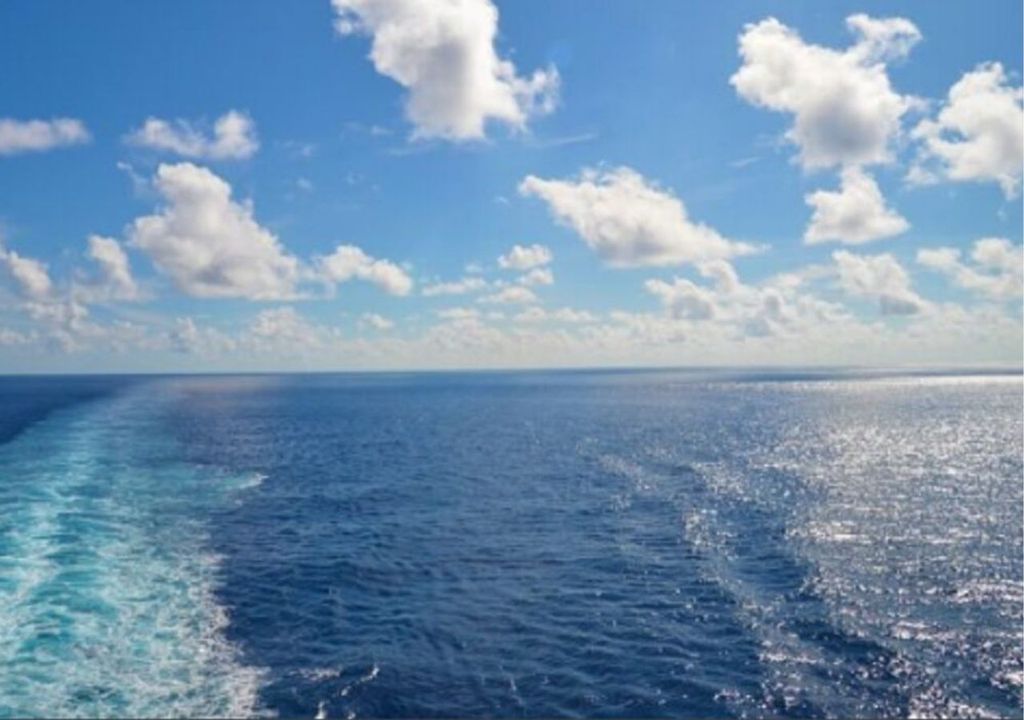
“Understanding how meteorology and rainfall affect air cleansing and cloud formation allows for improved climate models and reduced uncertainty about future climate change,” Lang notes.
A System That Impacts Chile
What occurs in these remote latitudes doesn’t stay there. According to data from the Chilean Antarctic Institute (INACH), the Southern Ocean absorbs approximately 40% of the anthropogenic carbon dioxide captured by the oceans, acting as a key thermal regulator of the planet.
The clouds studied in this research function as natural thermostats, modulating how much energy enters and exits the climate system.
For a country like Chile – whose marine life depends on the Humboldt Current and the nutrients rising from the south – these mechanisms are not irrelevant.
Subtle changes in cloud formation and the atmosphere of the Southern Ocean can alter the energy reaching the southeastern Pacific, impacting conditions that influence coastal ecosystems, fisheries, and local weather events.
Every piece of data collected in these extreme latitudes helps assemble the puzzle of the global climate – a puzzle where what happens at the end of the world doesn’t remain at the end of the world.
News References
– Alinejadtabrizi T., et all. (2025). Contributions of the synoptic meteorology to the seasonal cloud condensation nuclei cycle over the Southern Ocean. Atmospheric Chemistry and Physics.
– Noticias UdeC. (2025). With UdeC participation: research explains how ocean clouds influence global climate. Published on the institution’s website.
– INACH. (2018). Climate Change in Figures 2nd edition COP28. Document published on the institution’s website.
