
Home » Latest News » World » Strait of Hormus: US Predicts Reopening, Iran Signals Control After Conflict

Strait of Hormus: US Predicts Reopening, Iran Signals Control After Conflict

by John Smith - World Editor
0 comments

The U.S. Government is attempting to project optimism regarding the resumption of tanker traffic through the Strait of Hormuz, but Tehran has signaled it has no intention of lifting the blockade even as the conflict with the U.S. And Israel continues. The situation highlights the strategic importance of the Strait of Hormuz, a vital chokepoint for global oil and gas supplies, and underscores the escalating tensions in the Middle East.

Economic advisor to the U.S. Government Kevin Hassett stated on Tuesday that tanker traffic in the Strait of Hormuz would resume, claiming that initial oil tankers had already begun to pass through the waterway. But, just prior to this announcement, Iranian Foreign Minister Abbas Araqchi clarified that Tehran would not lift the blockade of the crucial waterway as long as the war against the U.S. And Israel persists. Control of the Hormuz Strait is a key strategic asset for the Iranian regime.

Countries are increasingly seeking permission from Iran to send their oil tankers through the Strait. Iraq requested access in Tehran on Tuesday, following similar requests from India and Pakistan. Iranian officials are requesting information about the ships’ names and owners in exchange for transit permission, according to Iraqi Oil Minister Hayan Abdel Ghani. The growing number of requests demonstrates the effectiveness of the Strait of Hormuz closure as leverage for Iran, a situation likely to continue even after the conflict ends.

Tehran’s geographic position gives it significant leverage that will likely play a decisive role in the conflict’s outcome and the future power dynamics in the region. Iran has stated that only ships belonging to the U.S., Israel, or their allies will be prohibited from using the Strait of Hormuz, while others are permitted passage. Vessels from Turkey and Bangladesh have reportedly transited the waterway in recent days.

Approximately one-fifth of the world’s traded oil and liquefied natural gas normally passes through the Strait of Hormuz, which connects the Persian Gulf to the Indian Ocean. At its narrowest point, the strait is just under 24 miles wide, bordered by Iran to the north and Oman to the south. Iran maintains naval bases near the waterway, within range of its missiles and water drones.

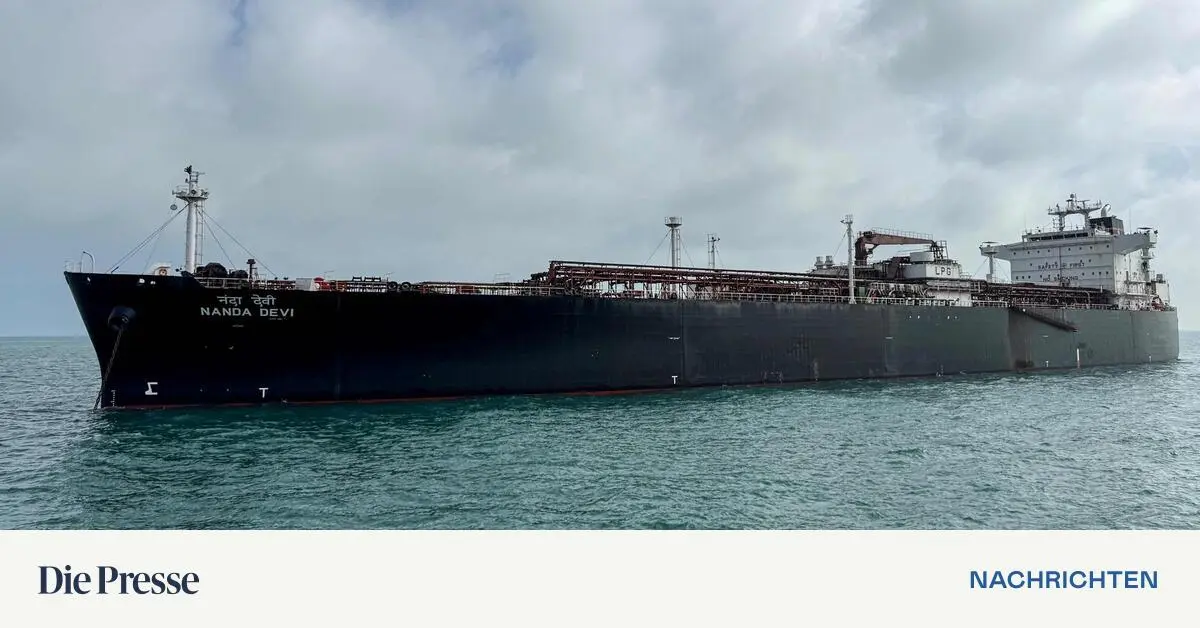
Shipping traffic has nearly ground to a halt since Tehran declared the strait closed following the start of the war and backed up the declaration with attacks on over a dozen tankers. Currently, only about four ships per day are able to pass through, according to political scientist Robert Pape of the University of Chicago, citing figures from the UN and the shipping industry, as reported on X. An average of 127 ships transited the waterway daily in February. Global oil prices have risen by 40 percent since the start of the war two and a half weeks ago.

Even with Donald Trump’s naval presence, Tehran can control tanker traffic through the waterway at will. Iran benefits from its geographic advantages and the fact that the U.S. Has so far avoided a direct confrontation over the strait, as that would further drive up oil prices and render the waterway completely impassable. The U.S. Military says it is focusing on destroying Iranian minesweepers and other vessels.

By granting transit permission to some countries, Iran is building alliances. Tehran is likewise considering using the Strait of Hormuz as a bargaining chip even after the war ends, according to Hamidreza Azizi of the Berlin-based Stiftung Wissenschaft und Politik. Pro-government commentators in Tehran believe Iran should leverage its control over the Strait of Hormuz to demand reparations, the lifting of international economic sanctions, or other concessions, Azizi wrote on X.

Fakten

The Strait of Hormuz is critically vital for international trade in oil and gas. It connects the Gulf to the Indian Ocean and is just under 40 kilometers wide at its narrowest point. Iran has numerous military bases here.

Lesen Sie mehr zu diesen Themen:

You may also like

Leave a Comment

This site uses Akismet to reduce spam. Learn how your comment data is processed.

This website uses cookies to improve your experience. We'll assume you're ok with this, but you can opt-out if you wish. Accept Read More

Privacy & Cookies Policy