

Trump Issues Final Ultimatums to Iran Over Strait of Hormuz Access
President Donald Trump has issued a series of escalating ultimatums to Iran, demanding the immediate and unconditional reopening of the Strait of Hormuz. The maritime standoff is a central flashpoint in a conflict that began on February 28, 2026, with massive joint U.S.-Israeli strikes targeting Iranian military and government installations.
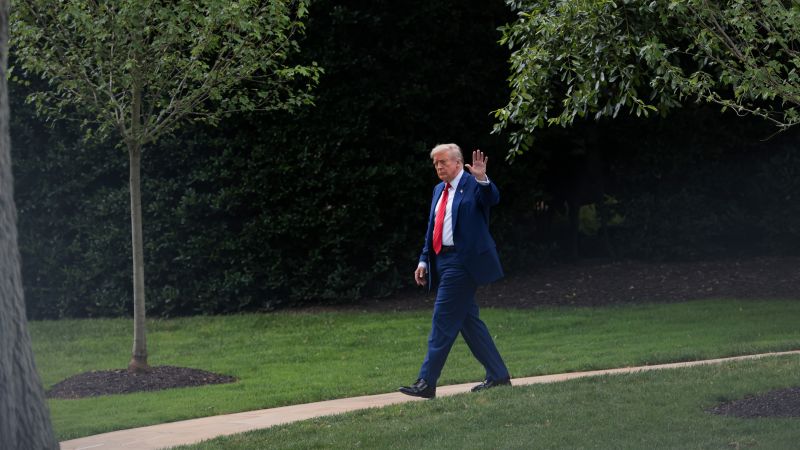
In a recent Truth Social post, President Trump warned that Iran had 48 hours to reopen the waterway or face “devastating consequences.” The president wrote, “Time is running out – 48 hours before all Hell will reign down on them. Glory be to GOD!” This follows a previous deadline set for 8 p.m. ET on a Tuesday, where Trump warned that “a whole civilization will die tonight” if a ceasefire was not reached and the strait reopened.
The Strait of Hormuz serves as one of the world’s most critical energy choke points, carrying roughly one-fifth of global liquefied natural gas and approximately 20 million barrels of oil per day. The ongoing disruptions have sent global fuel and gas prices surging. Amidst the crisis, legal experts have noted that closing the Strait of Hormuz or taxing ships for passage is not legal, regardless of whether the nation is at war. The instability has prompted international discussions regarding the global importance of strategic straits and a potential blow to U.S. Credibility.
The human and material toll of the war has been significant. Iran reports that more than 3,000 of its citizens have been killed since the conflict began. According to Pentagon figures, 365 American service members have been injured during operations against Iran. The violence has extended beyond Iran’s borders; as of April 9, 2026, health ministries reported nearly 1,900 killed in Israeli strikes on Lebanon and the Kuwait National Guard reported damage from “hostile” drone attacks.
Maritime commerce has been severely hampered, leaving numerous vessels stranded. Among those trapped is the Italian vessel “Grande Torino,” which has remained stationary for 40 days. These delays have left the international community seeking clarity on the current status of the Strait of Hormuz.
The diplomatic landscape has been marked by shifting deadlines and broken agreements. While President Trump previously suspended planned bombings of power plants in late March following “productive conversations,” he has since accused Tehran of failing to uphold its end of the bargain. On April 9, 2026, Trump stated on social media that Iran is doing a “very poor job” of allowing oil to pass through the waterway, further warning that Tehran should not attempt to collect tolls for transit.
Despite the U.S. President’s claims that Iran has been “completely decimated” and that its radar systems are “100% annihilated,” Iranian leadership remains defiant. General Ali Abdollahi Aliabadi of the Khatam al-Anbiya Central Headquarters dismissed Trump’s threats as “helpless, nervous, unbalanced and stupid,” countering that the “gates of hell” would instead open for the United States.
