
Pregnancy is a period of intense physical changes, emotions, and expectations. It’s common for expectant mothers to experience heightened stress levels, stemming from concerns about the baby and delivery, as well as hormonal and physical shifts. Managing stress and prioritizing well-being throughout pregnancy is therefore crucial for both maternal and fetal health.
Gynecologist and fetal medicine specialist Larissa Pires explains that maternal stress deserves attention because it can also affect the developing baby. “When a pregnant woman experiences prolonged periods of anxiety and tension, the body releases hormones like cortisol, which can influence sleep, blood pressure, and even fetal development,” she says. “Emotional care is as important a part of prenatal care as medical exams and monitoring.”
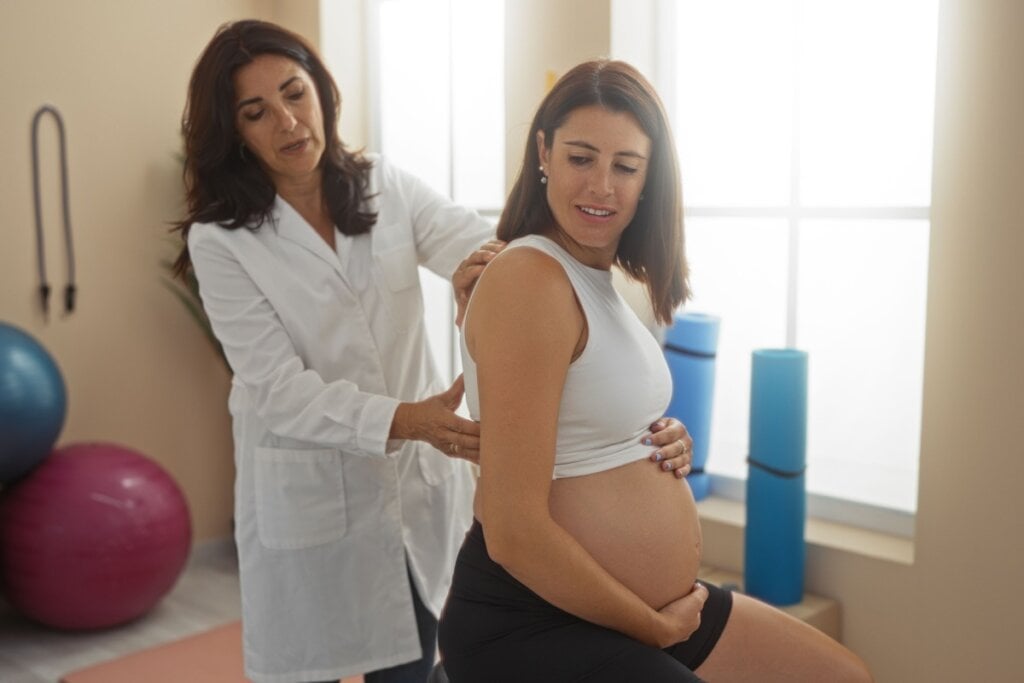
Chiropractor Lidiane Garbim, specializing in care for pregnant women, adds that stress also manifests physically in the body. “Stress directly affects the nervous system, which can lead to muscle tension, back and shoulder pain, sleep disturbances, and increased anxiety. The postural changes common during pregnancy can intensify these discomforts, making it important to focus on spinal and pelvic alignment.”
How to Reduce Stress During Pregnancy
Taking care of both the body and mind during this time isn’t simply about comfort—it’s a necessity. Techniques that promote relaxation, physical and emotional well-being, contribute to a more balanced pregnancy and prepare the body for childbirth. Prioritizing mental and physical health during pregnancy is a proactive step toward a healthier outcome for both mother and child.
There are several ways to care for the body and mind during pregnancy that can be easily incorporated into daily life. Experts recommend the following:
1. Practice Deep Breathing
Techniques like diaphragmatic breathing can assist calm the mind and reduce anxiety. Dedicate a few minutes each day to focus on your breath, promoting relaxation and increased oxygenation for both you and the baby.
“To practice deep breathing, a pregnant woman can sit comfortably, place her hands on her abdomen, and slowly inhale through her nose, expanding the abdomen, and exhale slowly through her mouth. Repeating the cycle for a few minutes helps calm the mind and reduce anxiety,” advises Lidiane Garbim.
2. Engage in Moderate Physical Activity
Exercise such as walking, prenatal yoga, or Pilates helps release endorphins—the body’s natural mood boosters—strengthens muscles, and relieves physical tension. Always consult your doctor before starting any latest activity.
According to Larissa Pires, staying active also contributes to a healthier pregnancy. “Guided physical activity improves circulation, helps control weight gain, reduces the risk of some pregnancy complications, and even improves the expectant mother’s mood,” she explains.
3. Prioritize Self-Care
Massages, relaxing baths, moments of rest, and relaxation practices are essential for reducing tension and promoting emotional well-being. Tiny habits, such as listening to music or meditating, can have a significant impact on a pregnant woman’s balance.
“Self-care can include warm baths, gentle massages of the shoulders and back, listening to calming music, guided meditation, or dedicating a few minutes to reading or hobbies that bring pleasure. Short breaks during the day help the body release tension,” suggests Lidiane Garbim.
4. Consider Specialized Bodywork
Techniques that promote spinal and pelvic alignment, such as chiropractic adjustments performed by professionals specializing in pregnancy, can relieve muscle pain, improve posture, and reduce the physical impact of stress, making pregnancy more comfortable.
“During pregnancy, the body undergoes important changes in balance and posture. Specialized care helps reduce discomfort, improve mobility, and prepare the body for labor,” explains the chiropractor.
5. Cultivate an Emotional Support Network
Talking to partners, family, or friends about feelings, doubts, and concerns alleviates emotional tension. Participating in pregnant women’s groups or support therapy also strengthens social support.
“Creating small routines of emotional support, such as daily conversations with your partner or journaling feelings and gratitude, helps keep the mind calmer throughout pregnancy,” emphasizes Larissa Pires.
6. Pay Attention to Diet and Sleep
In addition to emotional and physical care, nutrition also plays an important role in balancing the body during pregnancy. Nutritionist Clariana Colaço explains that some nutrients help regulate mood and reduce fatigue. “A balanced diet contributes to stabilizing energy levels, improving sleep, and even helping to regulate hormones—factors that directly influence stress and the well-being of the pregnant woman,” she says.
The nutritionist recommends prioritizing foods rich in magnesium, tryptophan, and B vitamins, nutrients that help balance the nervous system. “Foods like bananas, oats, nuts, seeds, avocados, spinach, and fatty fish can help improve mood and reduce fatigue. It’s also important to stay well hydrated and avoid excessive caffeine and ultra-processed foods, which can increase anxiety,” she advises.
According to Clariana Colaço, balanced meals throughout the day help avoid blood sugar spikes and drops, common in pregnancy and which can increase irritability and fatigue.
Care That Benefits Mother and Baby
Reducing stress positively impacts the physical and emotional health of the expectant mother and the development of the baby. Pregnant women who incorporate relaxation practices, light exercise, self-care, and a balanced diet tend to sleep better, experience less muscle pain, and maintain greater emotional stability.
“Pregnancy involves not only the physical development of the baby, but also the emotional balance of the mother. When the pregnant woman feels welcomed and calm, this contributes to a healthier environment for fetal development,” emphasizes Larissa Pires.
For Lidiane Garbim, small changes to the routine already make a big difference. “Taking care of your body and mind during pregnancy is an act of love. When the mother feels more relaxed and balanced, this directly reflects in the connection with the baby and the birth experience.”
With attention to physical, emotional, and nutritional health, it’s possible to navigate pregnancy with more ease, balance, and well-being, making the prenatal period more positive and preparing the body and mind for a smoother delivery.
By Ana Carolina Baili
