
The ‘Mini-Stroke’ Warning: Why Transient Ischemic Attacks and Atypical Symptoms Demand Immediate Action
A “mini-stroke,” medically known as a Transient Ischemic Attack (TIA), is often described by medical professionals as a warning bell from the brain. While the symptoms may resolve quickly, they signal a critical risk of a more severe stroke in the near future, making immediate medical attention vital for long-term survival and recovery.
Unlike a full-scale stroke, a TIA does not cause permanent brain damage. It occurs when the blood supply to the brain is briefly interrupted, typically by a blood clot resulting from heart issues or atherosclerosis. These blockages often clear themselves within minutes to an hour, and by definition, symptoms resolve within 24 hours as blood flow is restored. This “test power outage” effect can lead patients and families to believe the danger has passed, yet the underlying risk remains high. According to medical data, patients who experience a TIA face a significantly higher risk of suffering a major stroke within the following three months compared to the general population.
Recognizing the Warning Signs
The symptoms of a TIA often mirror those of a major stroke, though they are temporary. Key indicators include:
- Sudden weakness or numbness on one side of the body.
- Difficulty speaking or language barriers.
- Blurred vision or temporary blindness.
However, not all strokes present with these classic signs. Some of the most dangerous types of stroke occur in the cerebellum or brainstem and can be easily misdiagnosed. For instance, a cerebellar stroke may manifest as dizziness, nausea, vomiting, and gait instability—symptoms frequently mistaken for inner ear infections or gastrointestinal issues.
The risk is particularly acute when the basilar artery, which supplies critical blood flow to the brainstem and cerebellum, becomes blocked. Such occlusions are among the most perilous stroke types, as they can rapidly lead to impaired consciousness, respiratory failure, and life-threatening complications.
The Danger of Uncontrolled Hypertension
The link between high blood pressure and stroke is direct and devastating. Chronic hypertension causes vessel walls to harden and grow fragile, increasing the likelihood of both blockages and ruptures.
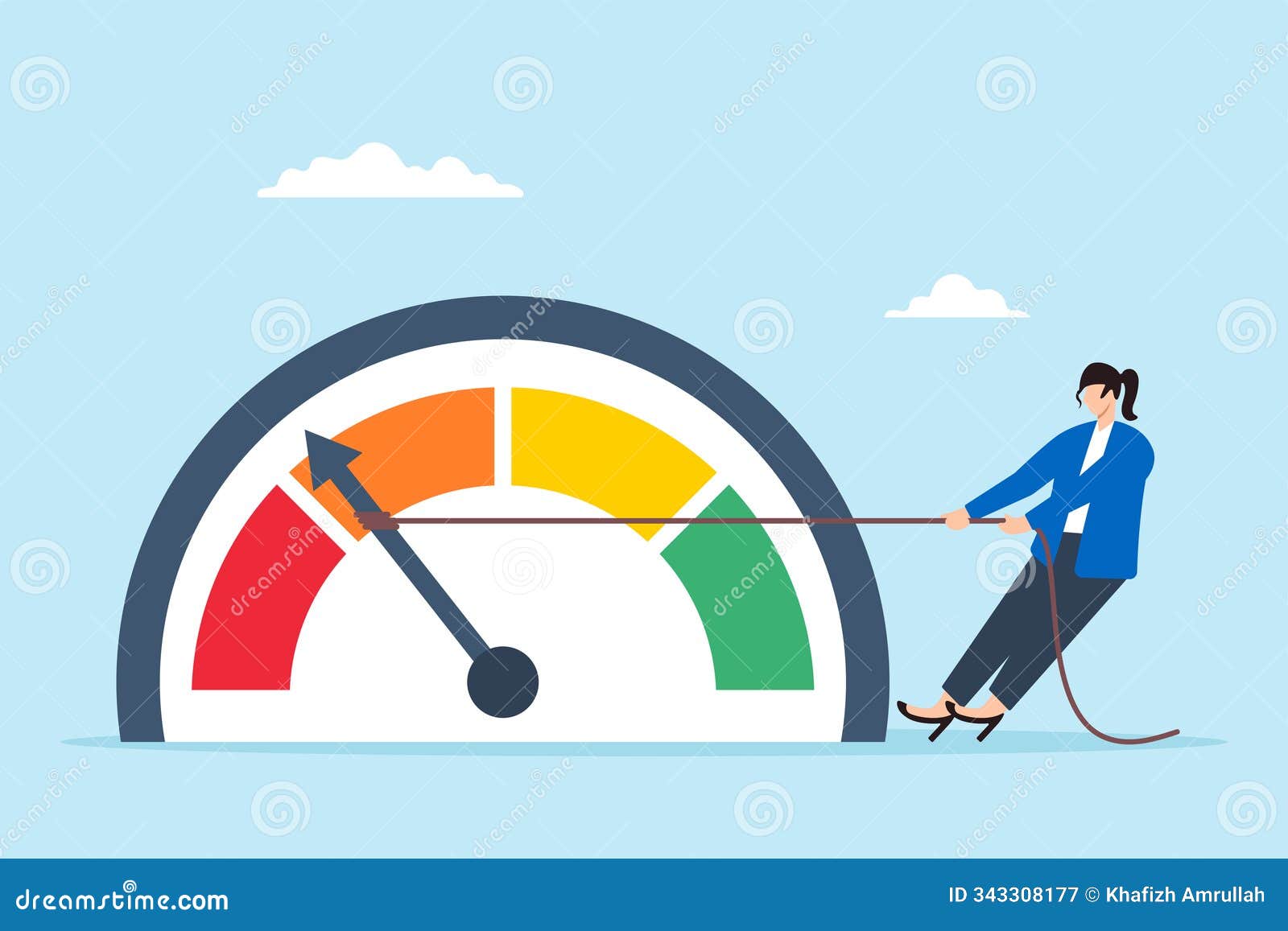
The danger of neglecting blood pressure management was highlighted in the case of a 63-year-classic man who had failed to take his hypertension medication regularly. After experiencing dizziness and nausea—symptoms that seemed benign—he was diagnosed with a cerebellar stroke and a suspected basilar artery occlusion. His condition deteriorated rapidly, involving cerebellar hemorrhage and brain edema, eventually leading to respiratory failure that required emergency intubation and intensive care. This case underscores how “silent” hypertension can lead to irreversible damage if not managed with strict medication adherence.
Preventing the ‘Second Hit’
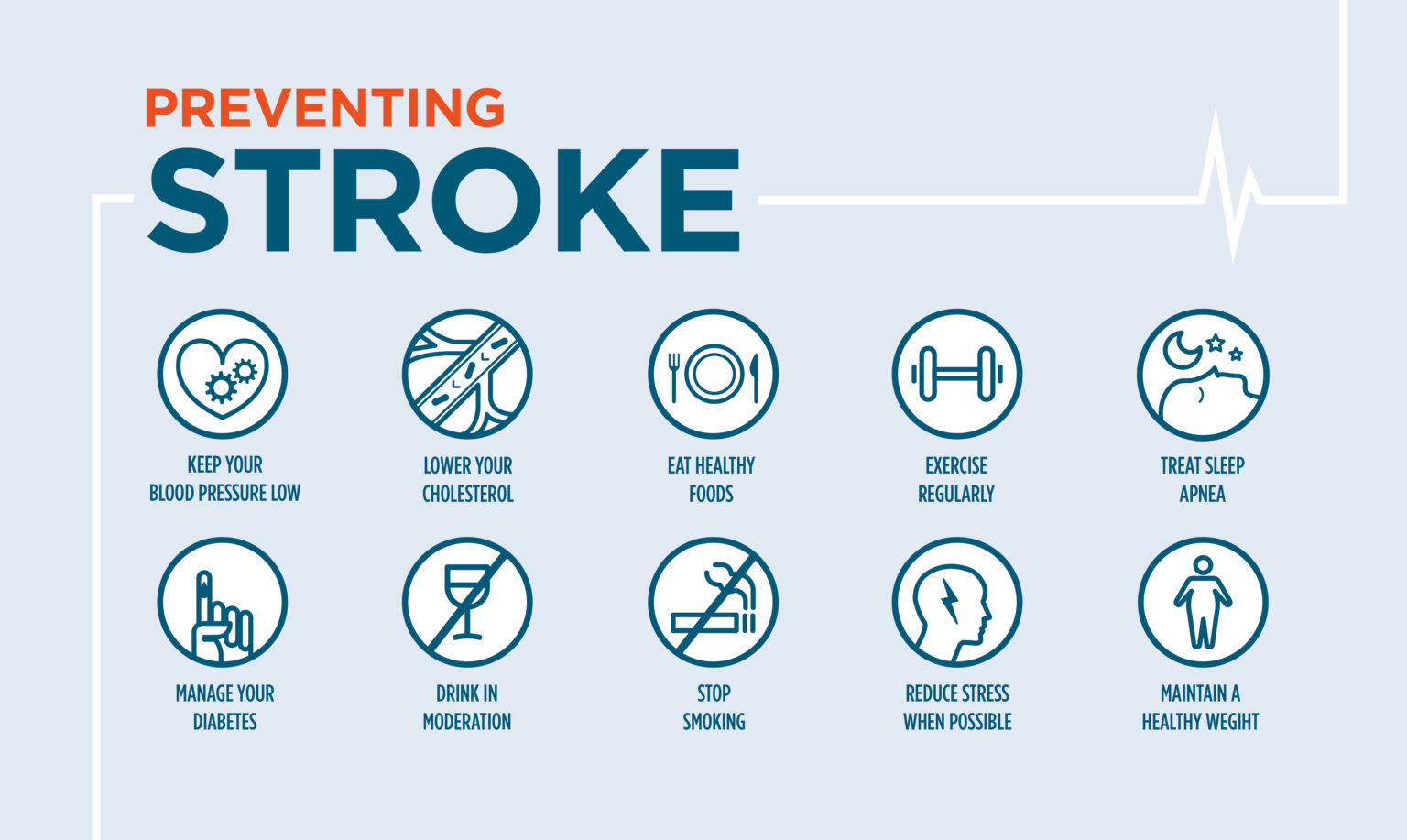
Reducing the risk of a first or recurrent stroke requires a comprehensive approach to lifestyle and medical management. Health experts emphasize the importance of maintaining a stable blood pressure through daily monitoring and recording of values.
Key preventative strategies include:
- Dietary Adjustments: Reducing the intake of salt, fats, and sugary processed foods.
- Lifestyle Changes: Maintaining an ideal body weight, engaging in regular exercise, and quitting smoking.
- Alcohol Regulation: Limiting alcohol consumption is critical, as excessive drinking can raise blood pressure and interfere with normal blood clotting. Heavy alcohol use can accelerate cardiac arrhythmias, such as atrial fibrillation, which further increases the risk of clot formation.
By treating a TIA as a critical medical emergency rather than a temporary glitch, patients can implement these life-saving interventions before a major neurological event occurs.
