

Understanding Chronic Mesenteric Ischemia: A Narrow Escape from Bowel Infarction
A 55-year-old woman named Bianca Koekebakker recently narrowly avoided a life-threatening bowel infarction after being diagnosed with chronic mesenteric ischemia (CMI). This condition occurs when the blood supply to the intestines is chronically restricted, a medical emergency that underscores the importance of recognizing early warning signs to prevent severe complications.
Despite its severity, CMI remains relatively unknown to the general public and is frequently missed or diagnosed too late by medical professionals. Estimates suggest that CMI occurs nearly as often as Crohn’s disease, yet it lacks the same level of widespread recognition.
Bianca is now speaking out to raise awareness about the condition, stating, “Many people walk around with unexplained abdominal complaints.”
Recognizing the Warning Signs
Because the symptoms can be vague, they are often overlooked. Key indicators of chronic mesenteric ischemia include:
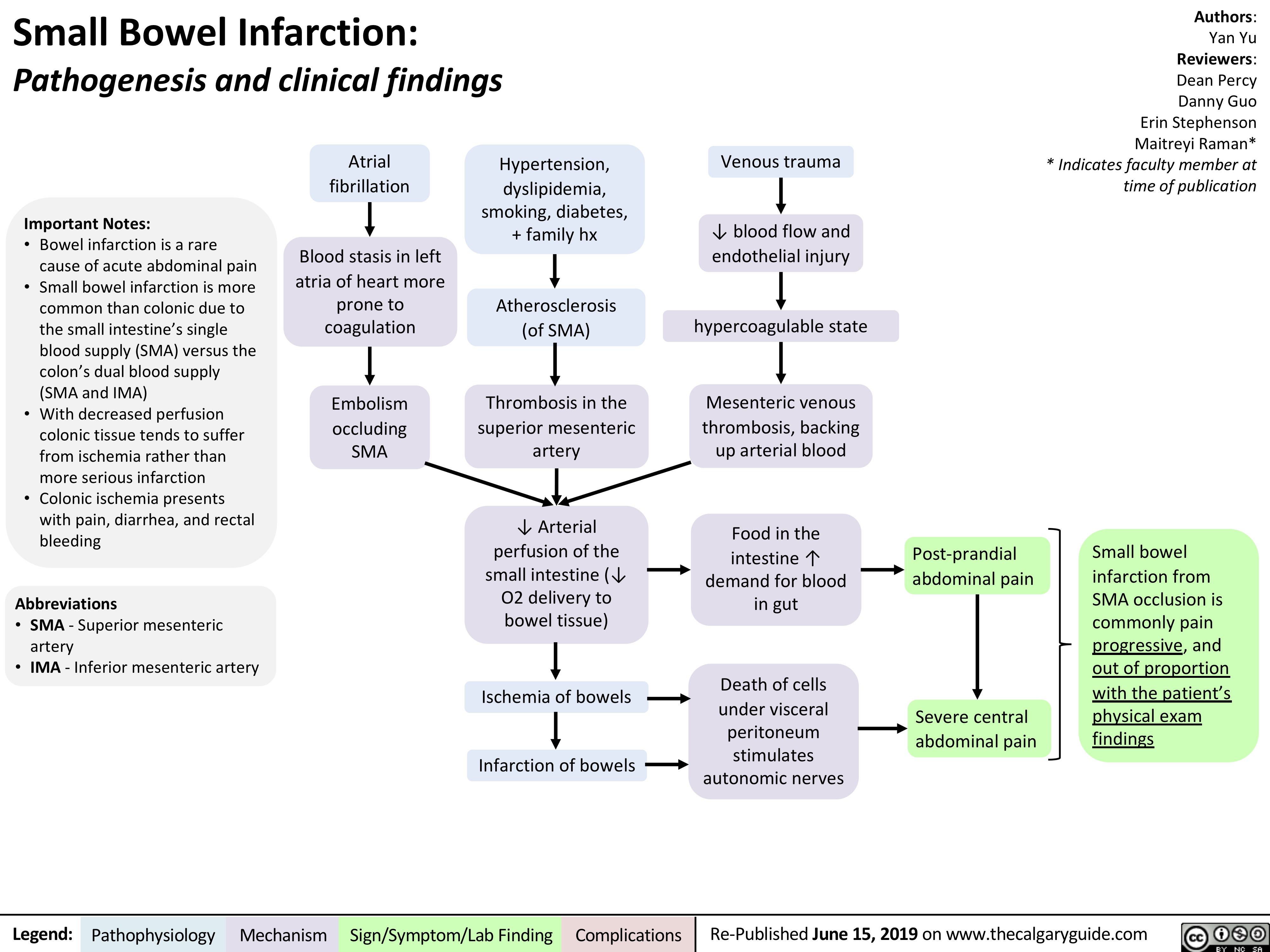
- Persistent abdominal complaints
- Pain specifically following meals
- Unexplained weight loss
Without timely medical intervention, these symptoms can escalate into a bowel infarction, where the tissue dies due to lack of blood flow. This highlight’s the critical need for better awareness among both patients and healthcare providers to ensure early detection.
Diagnosis and Treatment Options
Medical professionals typically confirm a CMI diagnosis using specialized imaging techniques, such as Doppler ultrasound or CT angiography. Once the condition is identified, treatment strategies are tailored to the patient’s needs. These may include:
- The placement of stents or the use of balloon angioplasty (dotter) to open restricted vessels.
- Surgical procedures to create a bypass or diversion of the blood vessels.
Improving the diagnostic rate of CMI is essential for public health, as early identification can mean the difference between a manageable condition and a critical surgical emergency.
