
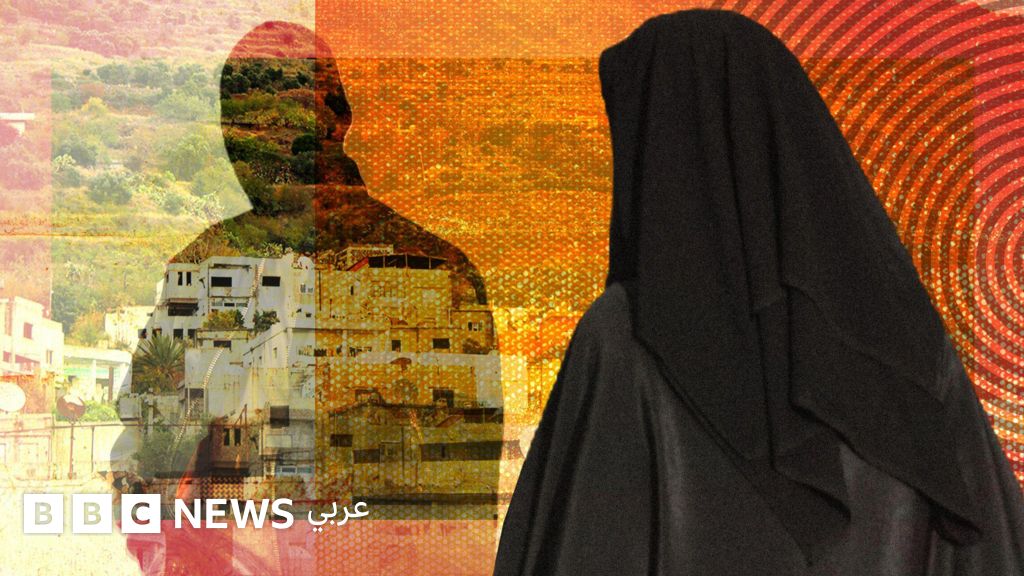
تحذير: يحتوي هذا التقرير على إشارات إلى الاختطاف والعنف الجنسي، وقد يكون محتواه مزعجاً لبعض القرّاء.
ملاحظة: تم تغيير أسماء الضحايا وعائلاتهن ممن تحدثت إليهن بي بي سي بناءً على طلبهن وحفاظاً على خصوصيتهن.
كانت راميا تجهز منقوع المتة لتشربه مع أمها وإخوتها بالقرب من منزلها في ريف اللاذقية. أعدت كل ما يلزم للجلوس في نزهة بمنطقة زراعية في قريتها. لم يكن النهار قد انتصف بعد، وكان الجو لطيفاً والمزارعون يعتنون بأراضيهم، بحسب ما تقول لـبي بي سي. أمها وإخوتها كانوا على وشك الوصول لملاقاتها، عندما توقفت سيارة بيضاء ترجل منها ثلاثة رجال مسلحين ادّعوا أنهم من عناصر الأمن العام. بعد حديث قصير مرتجل اقتادوها إلى السيارة عنوة وأجبروها على الدخول، بحسب ما تروي.
تقول راميا : “السيارة سارت بعكس اتجاه بيتنا ثم غادرنا القرية، حينها أدركت أنهم اختطفوني”. وتتابع “ضربوني، بدأتُ بالبكاء والصراخ، لكنهم واصلوا ضربي بقوة أكثر. سألني أحدهم إن كنت سنية أو علوية، عندما أجبت بأنني علوية بدؤوا بشتم الطائفة.”
بعد ساعات عدة وجدت راميا، التي لم تتجاوز العشرين عاماً، نفسها في منطقة ما في إدلب، بحسب ما سمعت خاطفيها يقولون. كانوا قد أجبروها على ارتداء النقاب. وضعوها في غرفة تحت الأرض وأقفلوا الباب. كان فيها سرير ووسائد ومستلزمات شخصية وواقٍ ذكري. تروي بصوتها الحزين: “حاولت أن أخفيه، لكنني عرفتُ أن هذا لن ينفع”.

صدر الصورة، Getty Images
راميا واحدة من عشرات النساء من الطائفة العلوية اللاتي وردت أنباء عن اختطافهن منذ سقوط نظام بشار الأسد في ديسمبر/كانون الأول 2024. وثّقت منظمات حقوقية متفرقة حالاتهن وتتفاوت الأرقام بين منظمة وأخرى، إذ تقول مجموعة اللوبي النسوي السوري، وهي مجموعة مناصرة لحقوق المرأة، إنها سجلت بلاغات عن اختفاء أكثر من 80 امرأة، وتحققت من 26 حالة منها على أنها اختطاف. الغالبية الساحقة من المفقودات ينتمين إلى الطائفة العلوية، بحسب اللوبي.
وتنكر السلطات السورية وجود مثل هذه الظاهرة، مُعترفةً بحالة اختطاف واحدة، وذلك في مؤتمر صحفي بداية شهر نوفمبر/ تشرين الثاني الماضي. لكن مصدراً أمنياً في إحدى مناطق الساحل السوري، فضّل عدم الكشف عن هويته، أكد وقوع حوادث خطف، مشيراً إلى أنه “تم فتح تحقيقات بشأنها” و”اتُّخذت إجراءات بفصل” المتورطين فيها من الخدمة، بينهم عناصر أمن.
تمكنت بي بي سي من الوصول إلى خمس من هؤلاء الفتيات المختطفات وعائلاتهن. بعضهن روين لنا تفاصيل اختطافهن وما تعرضن له من اعتداء، فيما لا يزال مصير أخريات مجهولاً.
Allegations of Systematic Abduction and Sexual Violence Target Alawite Women
Ramia’s ordeal lasted two days, during which she attempted to escape once and twice contemplated suicide. Her abductor, who spoke Arabic with difficulty, appeared to be of Asian descent, and she believes he was among the Uyghur fighters who joined armed Islamist groups in Syria. At her place of detention, she says her captor removed her headscarf and took pictures of her, stating he would send them to “the emir” to determine her fate. However, the captor’s wife, who shared the house with her children, told Ramia that the photo was “to determine her price when sold.”
Ramia says she asked the captor’s wife how many women had been abducted before her, to which the wife replied, “many,” and Ramia recounts the wife saying that “some are raped and sent to their families, and others are sold.” Even as the BBC could not independently verify claims of “sales,” several survivors reported receiving similar threats.
Another survivor, Nesma, a mother in her thirties, returned to her family “completely desperate,” as she told the BBC. She believes she was also held in Idlib, after being abducted from the Latakia countryside. However, her abductors were Syrian, not foreign fighters, according to her account.
Nesma says she remained for seven days in a large room with high windows, in what appeared to be an industrial facility frequented by three individuals who questioned her about residents of her village and their connection to the former regime. She recounts that they “insulted me based on my religious affiliation, saying that Alawites were created to be slaves.” Nesma was subjected to repeated sexual assault by her captors, she told the BBC. “All I could think about at that time was death. I would die and my child would be left without a mother,” she continued.
Lin, also under twenty years old, was subjected to daily beatings, threats with weapons, and rape, according to her mother. The abductor, who never revealed his face, did not speak Arabic fluently, “he was a foreign fighter,” says Hassana, Lin’s mother. She adds that he would bring food to her daughter daily, spend hours with her, boast about his participation in massacres on the Syrian coast, and insult the Alawite sect.
Lin’s mother continues: “He described our daughters as concubines, saying they do not worship God.” But when Lin debated religious matters with him, her mother says “his attitude changed,” and he began to treat her more kindly.

صدر الصورة، Getty Images
Is the Abduction Systematic?
The testimonies of the surviving abductees raise questions about the purpose of the abductions and whether the victims were indeed taken as “slaves.”
Husam Jazmati, a researcher and writer following Islamist groups, believes that addressing the abductees as “slaves” is merely “verbal abuse, mockery, and intimidation,” excluding the possibility that the abductees were actually taken as “slaves.”
Jazmati, who resides in Turkey, explains that “slavery is a system with its limits, form, and mechanisms, and what is happening is not organized slavery, but rather kidnappings, rape, and ransom demands.” He adds that “the mentality is not systematically oriented in a certain direction; there are certainly religious, abolitionist, and jihadist influences, as well as aggressive desires and transgression and permissiveness, all combined.”
For journalist and human rights activist Yamen Hussein, residing in Germany, the narratives of women who returned from abduction “indicate that there is an ideological structure to the abduction, based on considering Alawites as ‘defeated’ and therefore easy to abduct their women in order to humiliate them.” Hussein, who documents cases of abduction, adds that it is tough to determine the motives for abduction accurately unless the perpetrators are held accountable.
The Syrian Women’s Lobby states that the documented testimonies “indicate a far-right religious ideological dimension in many cases of abduction,” adding in written statements to the BBC that survivors reported “practices including the takfir of victims on the basis of their religious affiliation, and the imposition of coercive religious teachings and practices on them during their detention.”
Alawites are generally seen as supporters of former President Bashar al-Assad, who belongs to the same sect, even though many of them were subjected to repression and arrest due to their political opposition. After the fall of Assad’s rule, their fears of retaliatory attacks increased, especially in light of the bloody violence and mass killings that occurred in the coast in March.

Calls for Accountability
Kristine Beckerle, Deputy Regional Director for the Middle East and North Africa at Amnesty International, told the BBC that the survivors’ testimonies “pointed to patterns of harm that go beyond the abduction itself; families received evidence indicating physical abuse in some cases. In almost all of the cases documented by the organization, there were strong indications of forced marriage, including at least one minor.”
Amnesty International says that in almost all of the cases it documented, families reported the abductions to the police or security forces, but received no new meaningful information and felt no tangible progress in the investigations.
Beckerle said in statements to the BBC: “Those responsible must be held accountable and reparations provided. Failure to do so is a violation of human rights.”
Official Denial

صدر الصورة، Getty Images
The Syrian Ministry of Interior announced in early November the results of an investigation by the committee it had formed in the summer to look into complaints and allegations of the abduction of women and girls in the Syrian coast. The ministry stated that 41 of the 42 claims were found to be untrue, according to the Syrian Arab News Agency (SANA).
The ministry’s spokesperson, Nour al-Din al-Baba, said that these disappearance cases ranged from “voluntary elopement with a romantic partner” to “temporary absence with friends and relatives” or “escape from domestic violence,” in addition to false claims, criminal offenses, and others involving people “involved in prostitution and extortion.”
The BBC contacted the Syrian Ministry of Interior but received no comment. However, a security source in one of the coastal areas, who asked not to be named, told the BBC that there was “uncontrolled behavior by some elements carrying out temporary abductions for financial extortion or due to recklessness or personal reasons,” such as revenge against relatives of officers or figures close to the former regime. He added that “investigations have been opened into some cases” and “measures have been taken to dismiss” those involved from the service, including security personnel.
At the same time, “there are also many cases that have been claimed as abductions, but the reality is that these people left their homes or towns of their own free will,” according to the source.
Fear and “Pressure” to Alter Accounts
The experiences of the female survivors with the authorities after their return vary. Some said they sensed “empathy and seriousness” in the handling of their cases, while others said the investigation was formalistic and, in many cases, “insulting.”
Lin arrived at her home late at night wearing a black niqab, carrying stories of weeks of abduction and many threats if she revealed any of them. Her mother recounts that she underwent a series of sessions to provide her testimony after her return, during which the mother felt “interest and empathy” from security personnel, but received no results even after several months.
Nesma, who said that “the sheikh in charge of her abductors decided to release her after a week,” went to the security authorities, who, according to her, treated her “with mockery and rudeness.” She continues, “They told me they knew the terrorist groups that had abducted me, but when I went to file a police report, they asked me to change my statements and claim that I was on a picnic.”
Nesma is not the only one who was asked to change her statements after being abducted, according to what the BBC learned.
The BBC tried to contact another woman who had just returned from abduction after being beaten and assaulted, but she refused to speak to us. She said she feared talking to the media, especially after “security personnel asked her to change her narrative,” which she refused, according to a relative.
Ramia, who said she sensed interest from the police after her return, but after identifying the abductor, they stopped answering her family’s repeated calls to follow up on the investigation, said her family then received a series of anonymous phone threats, prompting them to leave the country.
Ali, a man in his thirties, recounts that his wife, Nour, disappeared while on her way to a family visit in one of the villages of the coast. He says he knows the identity of the abductor and shared all the information with the security forces, but has been waiting ever since. Ali appeared more broken and sad in every conversation with the BBC, bursting into tears saying:
“I am in pain day and night, I spend all my time alone in the forest, praying for my wife and for her return to us.” His wife did return after several weeks, but they both refused to give details about the circumstances of her abduction.

صدر الصورة، Getty Images
