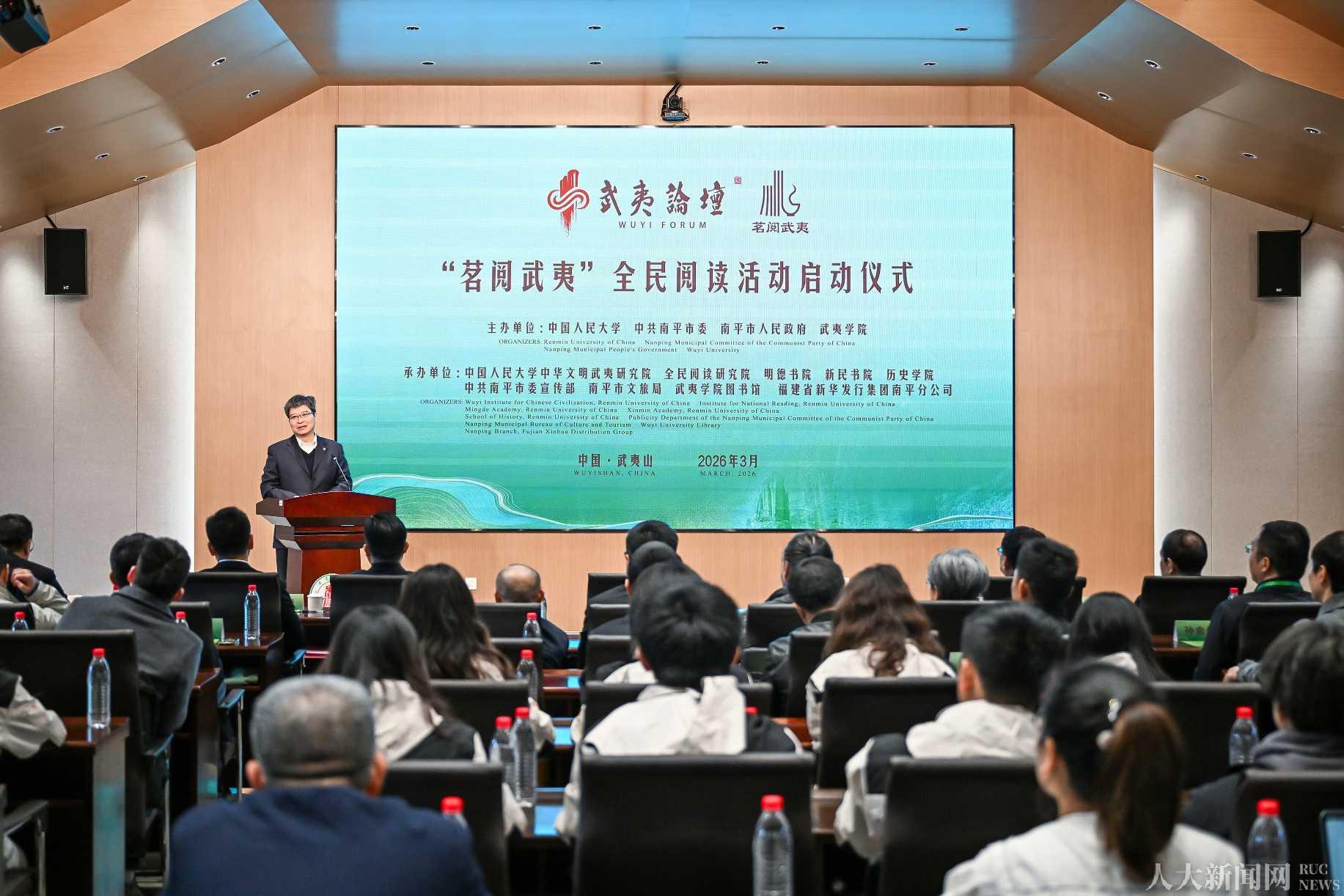
A new initiative aimed at fostering a deeper connection between literature and tea culture launched Thursday, March 21, 2026, in Wuyi Mountain, China. The inaugural “茗阅武夷” (Míng Yuè Wǔyí) – or “Sipping and Reading Wuyi” – event seeks to integrate the region’s renowned tea heritage with a nationwide push for literacy.
The event, part of the third Wuyi Forum, featured remarks from prominent figures in Chinese academia and government. Lin Shangli, former president of Renmin University of China, emphasized the importance of reading in fostering individual growth, national prosperity and the advancement of human civilization. He noted that reading can help people maintain clarity and find inner peace in an increasingly digital world.
Liu Chengyong, Party Secretary of the National Library of China, highlighted the significance of the recently implemented Regulations on Promoting National Reading, calling it a strategic move to safeguard citizens’ right to read and strengthen the foundations of a cultural powerhouse. He also expressed the National Library’s commitment to making valuable literary resources accessible to the public.
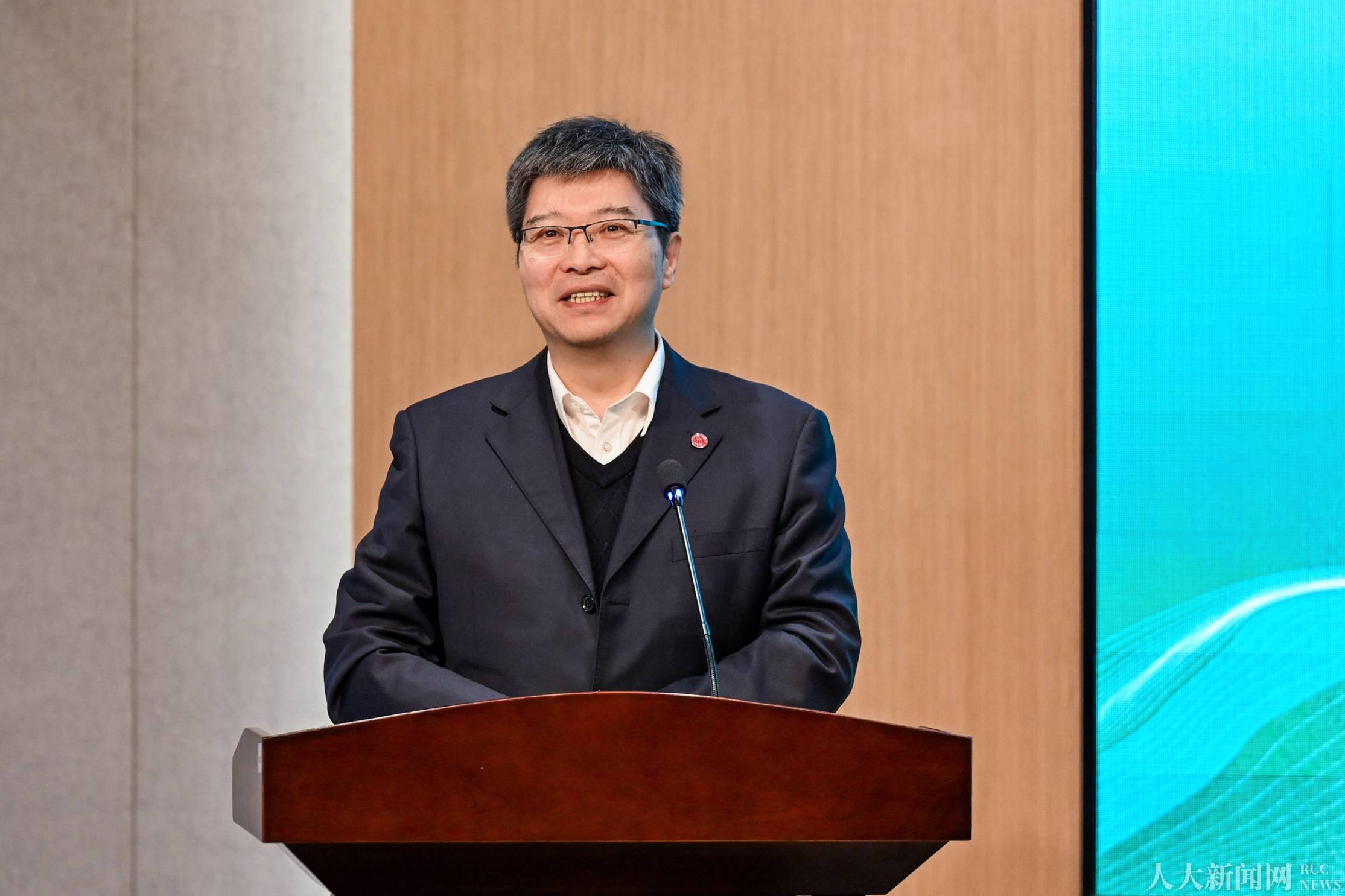
Zhuang XiangSheng, Party Secretary of Wuyi College, described the event as a practical step toward deepening collaboration between academic institutions and local communities to promote a culture of reading. He said the college would leverage its research centers to explore the contemporary value of Wuyi’s tea culture, scholarly traditions, and revolutionary history.
Li Qi, a member of the Nanping Municipal Party Committee and head of the Propaganda Department, explained that the initiative aims to transform tea spaces throughout the region into inviting hubs for reading and cultural exchange. The event is intended to extend the academic discussions of the Wuyi Forum to a broader public audience and encourage local universities to contribute to rural revitalization efforts.
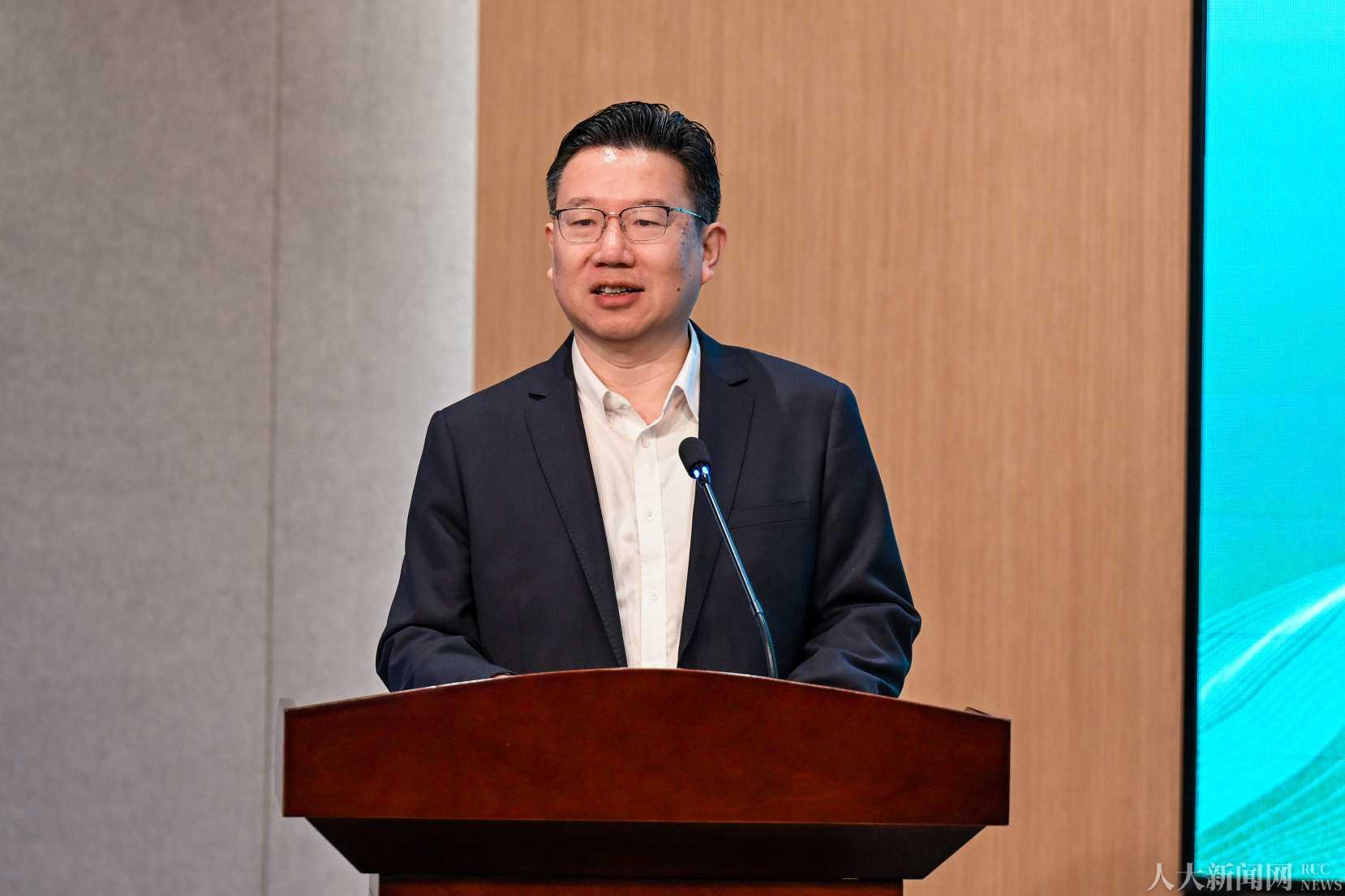
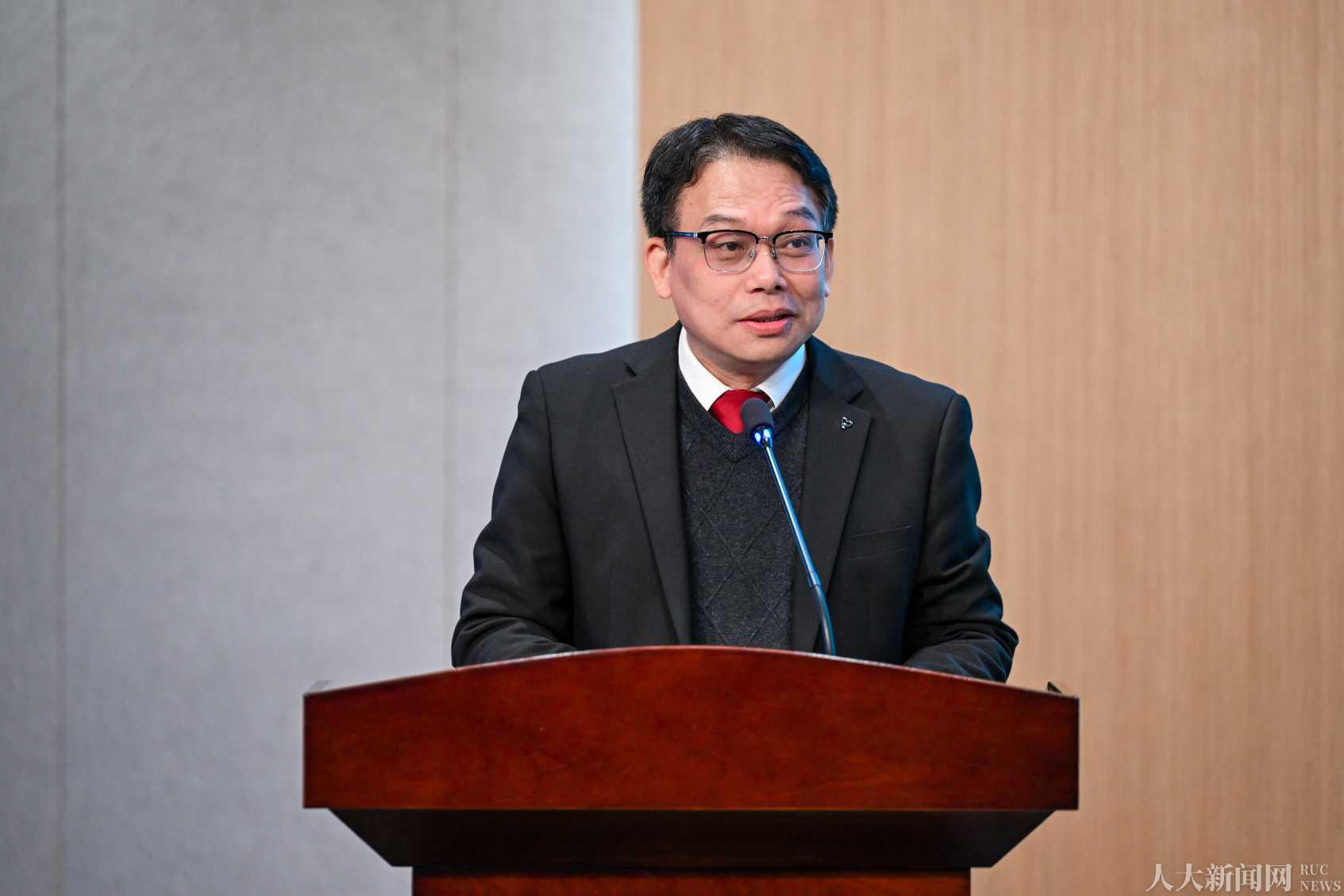
During the launch ceremony, Yang Huilin, former vice president and professor at Renmin University of China’s Academy of Literature, delivered a speech on the principles of effective reading, emphasizing the importance of thoroughness, precision, and independent thought. Li Xixi, chairman and executive president of the New Reading Research Institute, spoke on the role of national reading in preserving and revitalizing traditional Chinese culture. Wang Hongbo, deputy editor-in-chief of China Reading Weekly, discussed the evolving nature of reading in the digital age.
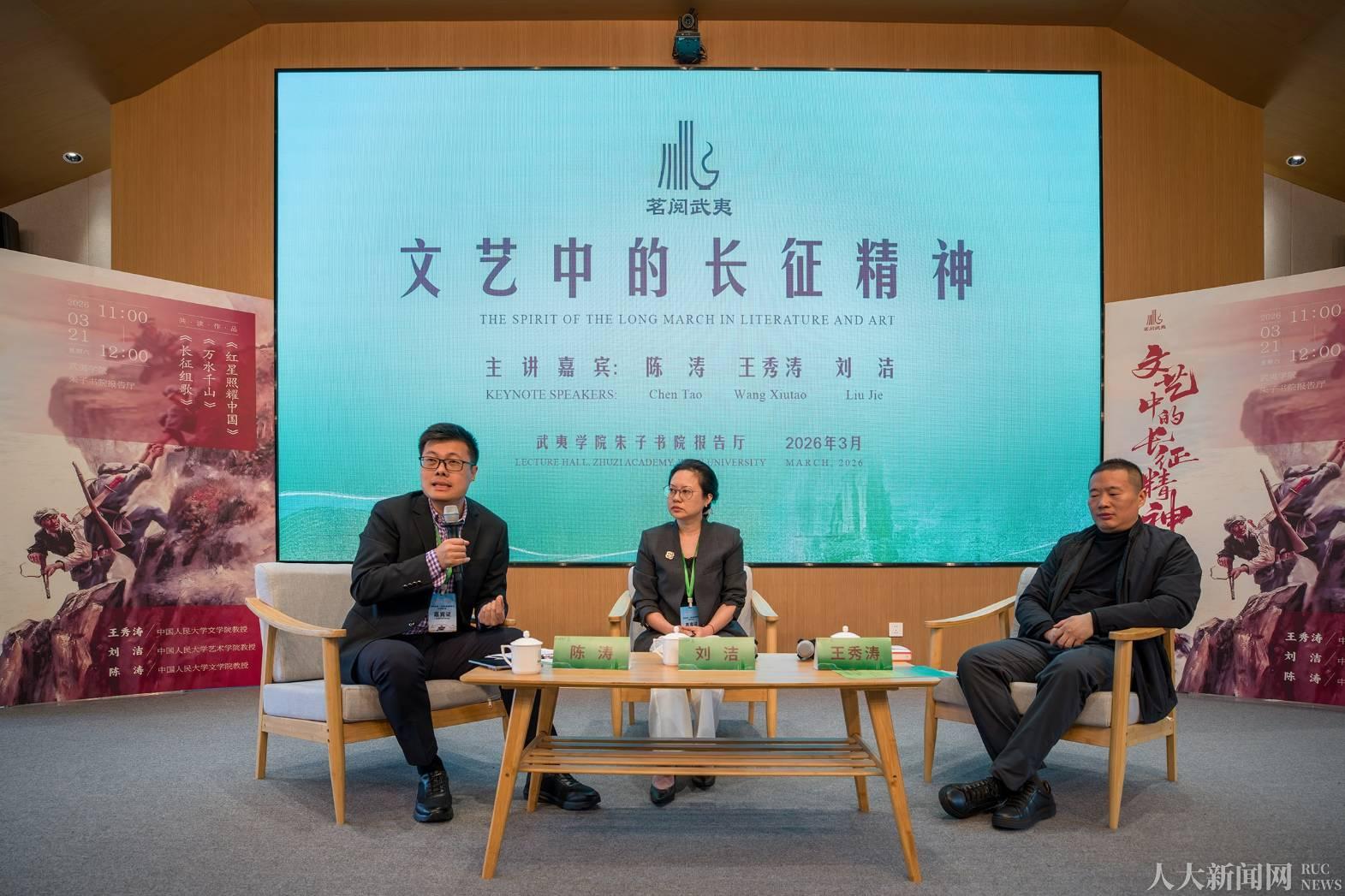
Following the launch, a reading session was held focusing on the theme of “The Long March Spirit in Art.” Scholars from Renmin University of China analyzed films, literature, and music related to the historic military retreat, exploring its artistic expression, spiritual significance, and contemporary relevance.

From March 21 to March 23, the “茗阅武夷” event will host ten additional reading sessions at eight different venues, featuring discussions on a range of topics including regional history, classical literature, tea culture, and translation studies. The series of events underscores a growing national emphasis on promoting literacy and cultural preservation.

(Zheng Shuiquan presiding)

Yang Huilin argued that the key to reading lies in being “comprehensive but not limited, precise but not cluttered, focused but not rigid, and dedicated but not narrow-minded,” principles that align with the necessitate to avoid following trends, superficiality, emptiness, and obscurity in academic research. He encouraged attendees to embrace reading as a way of life and to transform life into a work of art.
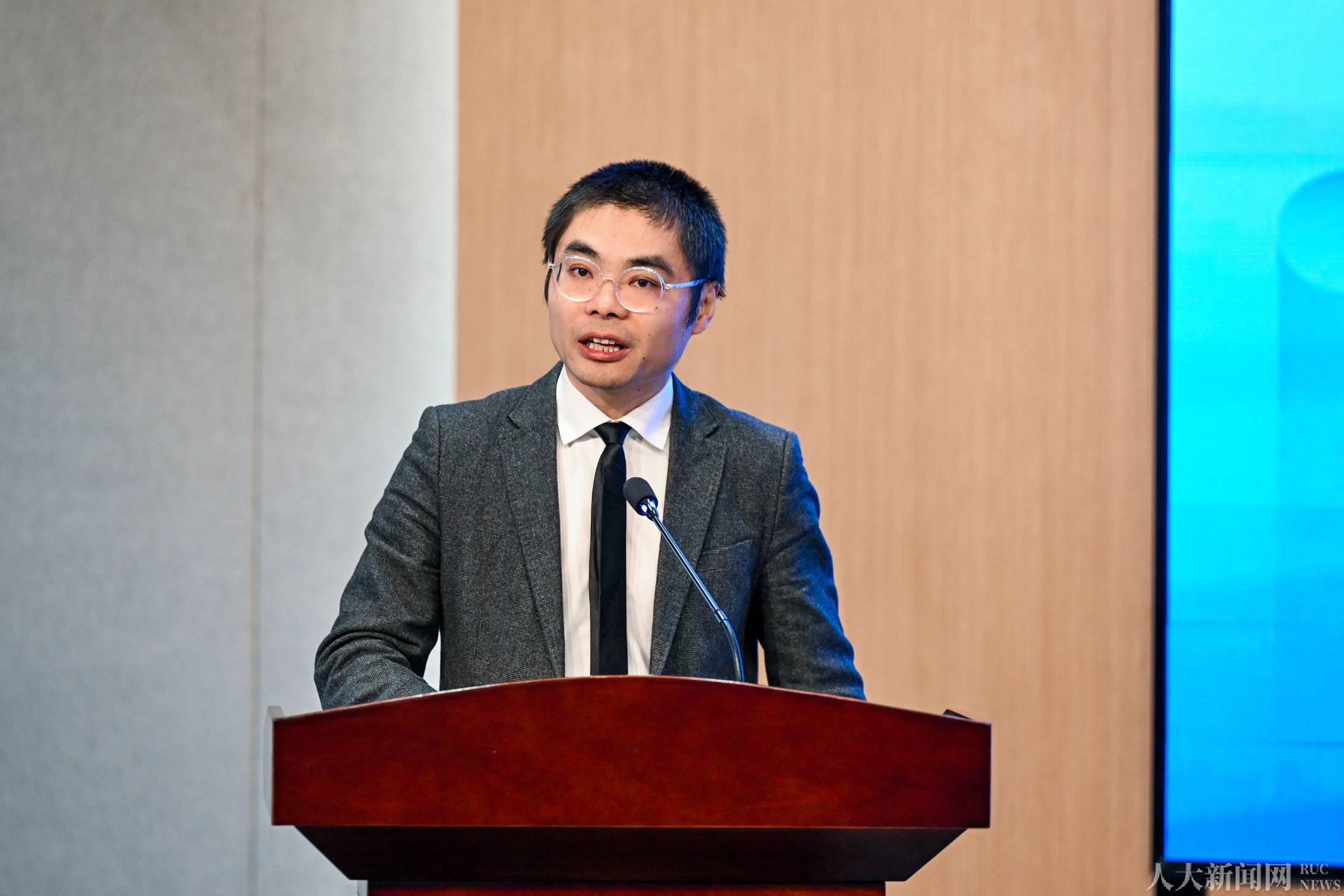
Li Xixi stated that national reading is an significant means of preserving and revitalizing China’s excellent traditional culture, helping the nation move from material wealth to spiritual richness. He explained that “New Reading” promotes and revives traditional culture through high-quality courses and creative initiatives, igniting a new future for it.

Wang Hongbo noted that national reading has become a national strategy with institutional support and legal safeguards. He emphasized that reading preserves civilization, shapes thought, and fosters a sense of spirit. He expressed hope that national reading will allow more people to understand the value of reading and enjoy its pleasures, creating a vibrant literary atmosphere throughout society.