

Eigen beeld
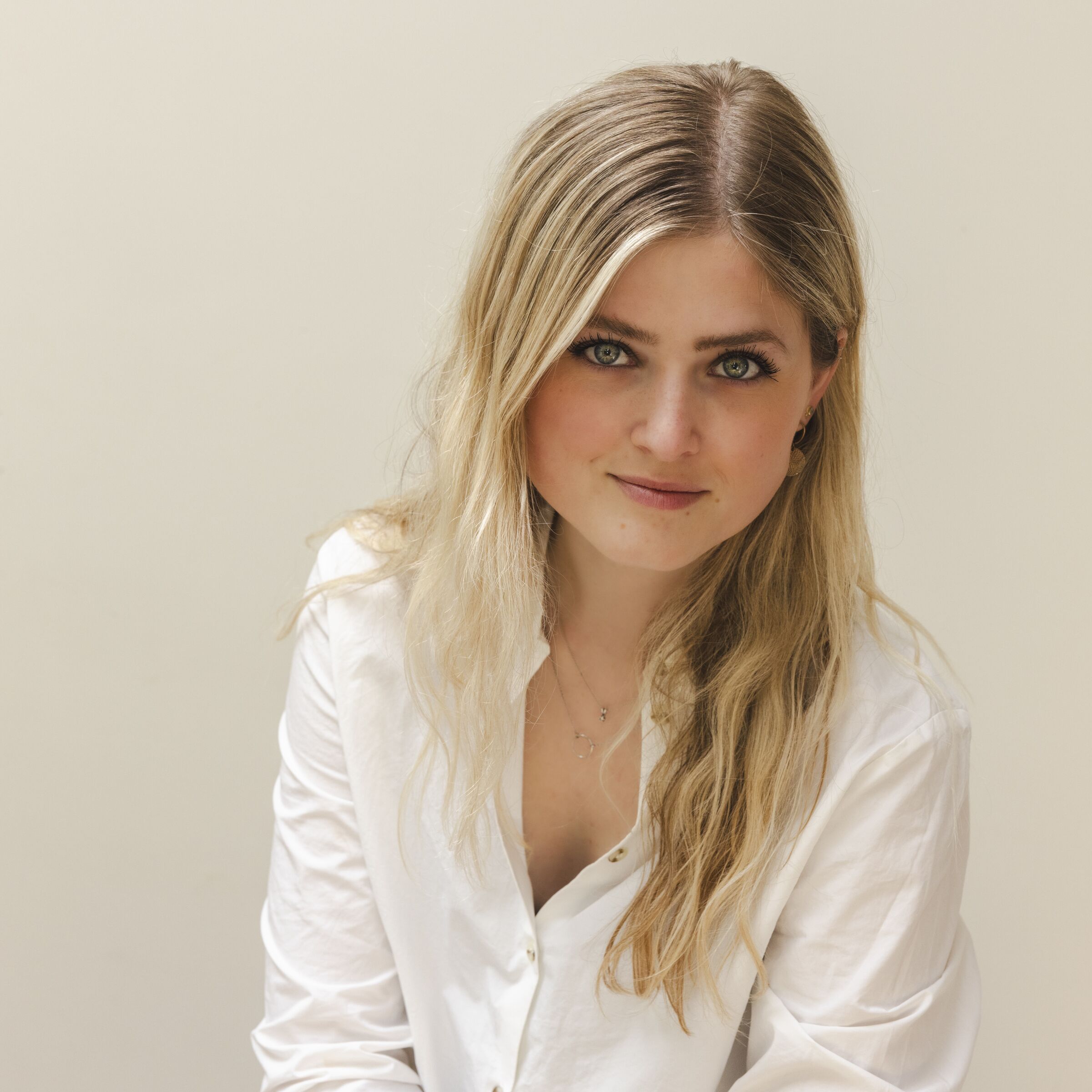
Ilva Kuijpers, 28, is a teacher for first and second grade. Each month, she writes a column for Kek Mama about her experiences in elementary school.
Read more below the advertisement
Resilience. If you have it, that’s wonderful. You can’t really have too much of it. It means you’re less susceptible to the bacteria and viruses carried by others and therefore less likely to get sick yourself. This is especially key for a teacher of first and second grade, where germs are flying around during this time of year. Young children often haven’t developed sufficient immunity and pick up everything they come into contact with. Resilience can also be felt. And lately, I’ve been feeling a bit of resistance – both personally and among my colleagues. Let me explain where that resistance is coming from.
Read more below the advertisement
Many Sick Children
The “r” is already well into the month, and King Winter is making a significant impact in the Netherlands, making illness inevitable for both children, and adults. As a kindergarten teacher, I’ve become accustomed to this over the past few years. One child might tell you something during lunch with a massive seal-like cough, sending bacteria flying across your cheese sandwich. “Oh well,” I think, “a little extra seasoning can’t hurt.” With another child, you help tie their shoes, and as you look up to say it’s done, you experience the spray from a full-blown sneeze hit your face. Fortunately, over the years I’ve built up quite a bit of resistance and now feel like a kind of cockroach: impossible to get rid of!
“Oh well, I think, a little extra seasoning can’t hurt.”
Read more below the advertisement
It’s the topic of conversation among colleagues. When I walk into the staff room during a break, I encounter two colleagues in the hallway. “Do you have as many sick children in your class?” one asks. “No,” the other replies, “they come to school – sick or not.” And I recognize that immediately: “I just had a large amount of snot in my face while tying a shoelace.” The two colleagues look at me with a disgusted look. “Well… Enjoy your lunch!” they laugh sarcastically.
Staying Home
Being a little congested and going to school, or having a mild headache, isn’t a problem. That’s called perseverance, and you don’t stay home for every little discomfort. I think that’s a decent example, and we encourage that at school. Though, it’s a different story when children come to school or are sent to school when they are “really sick.” I hear that too often at my colleagues’ lunch tables. “This morning, Iris’s mother came to me and said, ‘She’s had diarrhea all night, but she has a clean pair of pants in her bag,’" my colleague from the other kindergarten group said recently.
Read more below the advertisement
I’m sorry, but I really think that’s a reason to stay home for a day. Or, in the upper grades, a message came in via the parent portal: “Good morning, Mourat threw up his breakfast again this morning, but he really wants to come to school so he is coming anyway.” Later, he sat in class with a face like a washcloth. And then what? What benefit does a child get from that? Again, not staying home for every sniffle is a great idea. But I would strongly urge every parent: if your child is seriously ill and can also make other children and teachers sick, please let your child stay home for the good of everyone. Given that if the teacher also gets sick, a mandatory stay-at-home order for the whole class might be the result. And what does that create? Resilience.
Seek to read more from Juf Ilva? You can find her other columns here.
Share
Read more below the advertisement
