

Tesla Signals Major Recovery With Surge in European and South Korean Sales
Tesla is experiencing a sharp reversal of its recent fortunes, recording a significant growth spurt across major European markets in March 2026. This rebound follows a prolonged period of stagnation and a perceived boycott in the region, suggesting that a radical change has propelled the company back toward record-breaking sales.
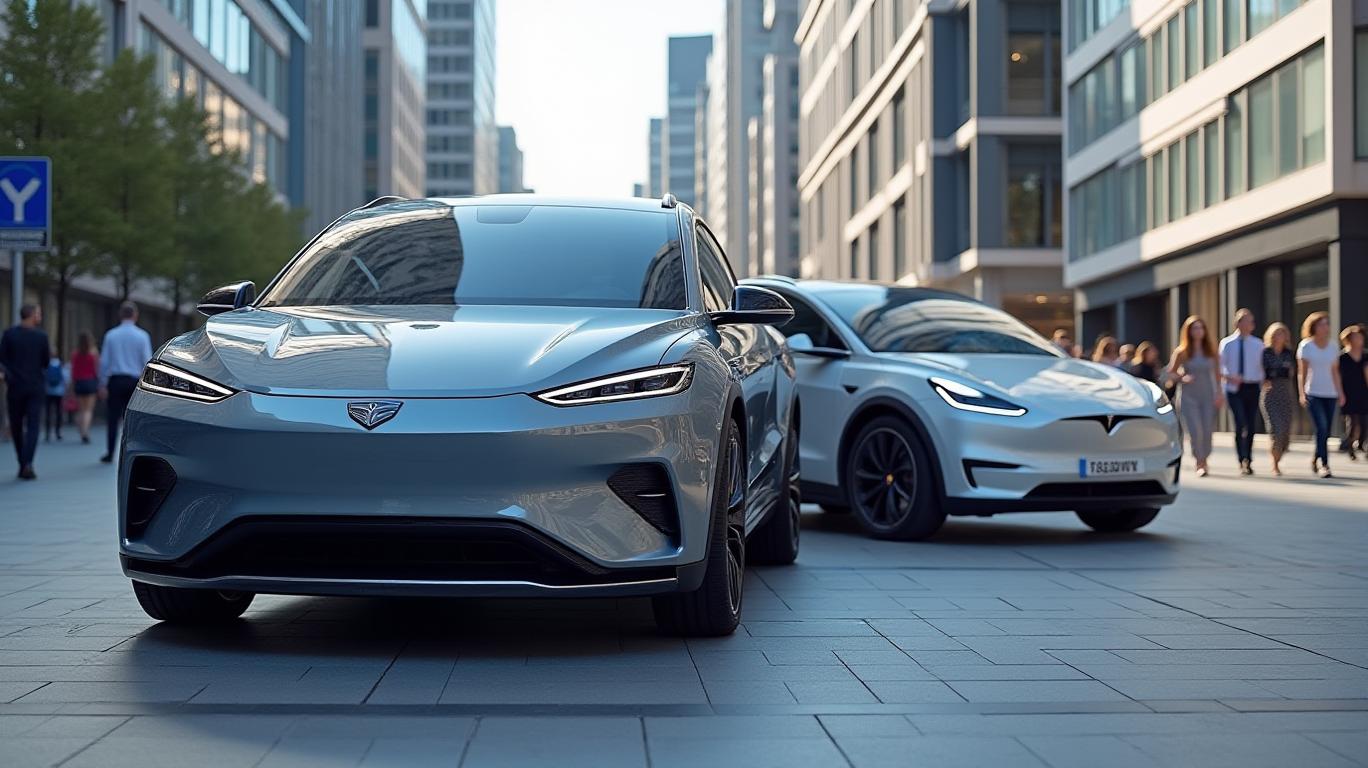
The recovery is not limited to Europe. In South Korea, Tesla reported a massive spike in momentum, with car sales growing by more than 300% in March. This global uptick is further supported by Tesla’s operations in China, where exports of electric vehicles have risen for five consecutive months, driven primarily by renewed demand from European consumers.
The current significant March sales increase marks the conclude of a long period of decline in Europe. The turnaround is particularly striking given the volatility Tesla faced throughout 2025 and the start of 2026.
For over a year, Tesla struggled to maintain its footing in the European market. Data from the European Automobile Manufacturers Association (ACEA) revealed that new car registrations fell 17% year-on-year in January 2026, concluding 13 consecutive months of shrinking sales. During that slump, Tesla’s market share across the EU, Britain, Switzerland, Norway, and Iceland dropped to 0.8%, down from 1% the previous January.
This decline coincided with an aggressive expansion by Chinese EV manufacturers. In September 2025, BYD saw its broader European market sales grow by 398% year-over-year, reaching 24,963 units and increasing its market share to 2%. Similarly, SAIC Motor Corp, the owner of the MG brand, grew its sales by 75.5% in September 2025 to 33,924 cars. By November 2025, BYD’s registrations in Europe had nearly tripled year-on-year to 42,500, while Tesla’s EU registrations for that month dropped by a third to 12,130 units.
Industry analysts had previously pointed to a lack of new mass-market models and a strategic pivot toward autonomous driving as key reasons for Tesla’s weakness. Rico Luman, a senior sector economist at ING, noted that consumers had more affordable options from rivals like ZEEKR and MG, while Tesla’s brand image had deteriorated in the region.
The sudden shift in March 2026 underscores the volatility of the EV sector and the impact of strategic adjustments on market share. While Chinese rivals and the rise of hybrids—which accounted for 44% of sales in late 2025—initially crowded Tesla out, the latest data suggests the company has found a way to regain its competitive edge in these critical global markets.
