

Tetanus: A Preventable but Deadly Threat to Public Health
Tetanus remains a severe and potentially fatal condition, yet medical experts emphasize that it is entirely avoidable through proper preventative care. This life-threatening disease, characterized by intense muscle contractions, underscores the critical importance of maintaining up-to-date vaccinations to ensure public safety.
Understanding the Risks and Symptoms
Tetanus is a grave wound infection caused by bacteria commonly found in soil. When these bacteria enter the body through a cut or injury, they produce a potent toxin that affects the nervous system. This can lead to an increased sensitivity to light and sound, as well as persistent, painful muscle spasms. These cramps typically initiate in the neck and jaw before spreading to the limbs and in severe cases, can make breathing difficult.
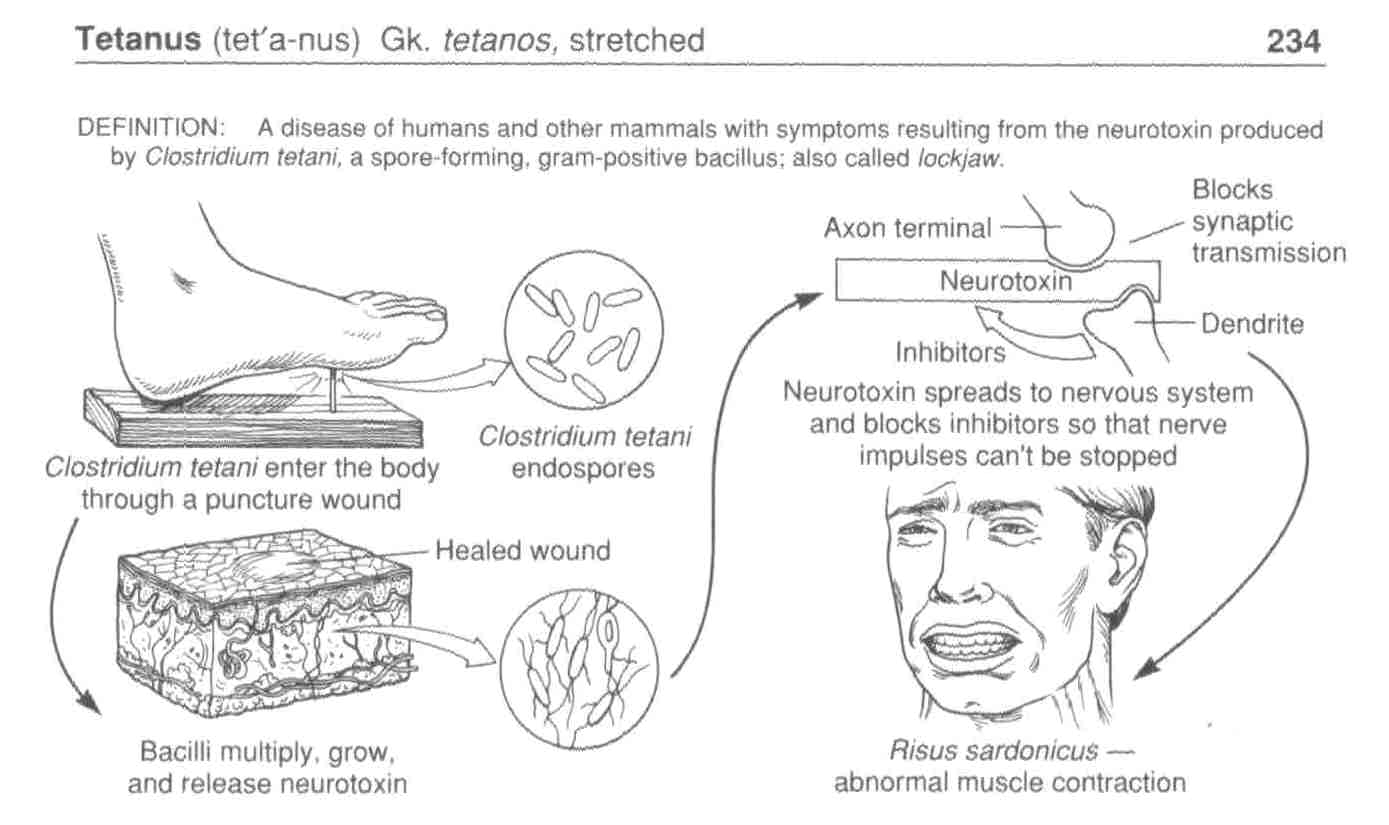
While the disease is now very rare in Sweden, the risk persists for those without adequate immunity. The incubation period—the time from the initial exposure to the onset of symptoms—usually ranges from three days to three weeks.
Prevention and Vaccination Guidelines
The primary defense against this disease is vaccination. Most individuals born in Sweden after 1960 were covered under the national childhood immunization program. Although, immunity does not last indefinitely. Health authorities recommend that individuals renew their tetanus vaccination if it has been more than 20 years since their last dose.
Maintaining a current vaccination schedule is a vital component of long-term wellness, as it provides a reliable shield against a disease that can otherwise be lethal.
When to Seek Urgent Medical Care
Immediate medical intervention is necessary if you suspect you have contracted tetanus. Patients are advised to contact a healthcare center, an urgent care clinic, or an emergency department immediately.
Medical consultation is strongly recommended if any of the following apply:
- You have not been vaccinated against tetanus.
- You have not completed the full series of required vaccinations.
- You have suffered an animal bite or another wound and are uncertain if your vaccination protection is still active.
Treatment and Recovery
If caught early, tetanus is often treatable, and many patients make a full recovery. Clinical treatment typically involves a combination of antibiotics, muscle-relaxing medications, and immunoglobulin, which serves as an antitoxin to neutralize the bacterial poison.
while soil-contaminated wounds pose a high risk, animal bites that are not contaminated with soil do not increase the risk of tetanus beyond that of other standard wound injuries. Tetanus is not contagious and cannot be spread from person to person.
