
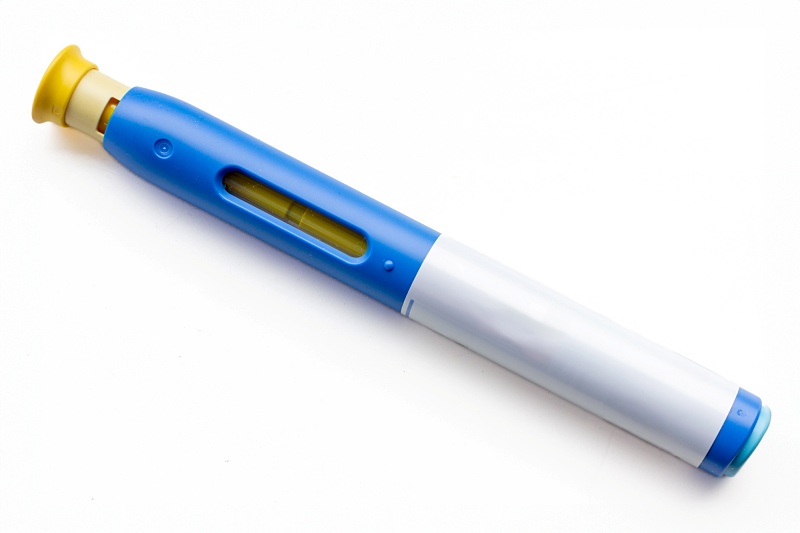
FDA Approves Tezspire as Novel Treatment for Chronic Rhinosinusitis with Nasal Polyps
In a significant development for respiratory health, the U.S. Food and Drug Administration (FDA) has approved Tezspire (tezepelumab) for the add-on maintenance treatment of adults and pediatric patients aged 12 and older struggling with inadequately controlled chronic rhinosinusitis with nasal polyps (CRSwNP). This approval, announced on October 17, 2025, marks the first time a biologic targeting thymic stromal lymphopoietin (TSLP) has been authorized for this complex, epithelial-driven inflammatory condition.

The decision follows results from the WAYPOINT Phase III trial, which were published in The New England Journal of Medicine and presented at the 2025 American Academy of Allergy Asthma & Immunology (AAAAI)/World Allergy Organization (WAO) Joint Congress. The study demonstrated that Tezspire provides a statistically significant and clinically meaningful reduction in the severity of nasal polyps. Most notably, the treatment nearly eliminated the need for subsequent surgeries and significantly decreased the reliance on systemic corticosteroids compared to a placebo.
For the millions of people living with CRSwNP, these findings represent a potential shift in the standard of care. According to Dr. Joseph Han, Vice Chair of the Department of Otolaryngology – Head and Neck Surgery at Old Dominion University and a co-primary investigator in the WAYPOINT trial, over 320 million people worldwide are affected by the disease. Dr. Han noted that by targeting TSLP at the top of the inflammatory cascade, Tezspire offers a novel option for those who continue to experience disruption in their lives despite existing treatments.
The biological impact of the drug extends to the genetic level. Research published in the Journal of Allergy and Clinical Immunology revealed that by week 52, tezepelumab significantly altered the expression of 669 genes—upregulating 412 and downregulating 257. This modulation affects key biological pathways associated with epithelial health and nasal polyp pathophysiology, including ciliary function, eosinophil migration, extracellular matrix organization, platelet activation, and epidermal development.
Beyond the United States, AstraZeneca has as well announced the availability of tezepelumab in Spain for the treatment of severe chronic rhinosinusitis with nasal polyps. This expanded access underscores the growing global effort to provide targeted biological therapies for severe inflammatory airway diseases.
The introduction of TSLP-targeting therapy could guide future strategies in managing epithelial-driven inflammation, offering a more precise approach to reducing the surgical burden and steroid dependency often associated with severe nasal polyposis.
