
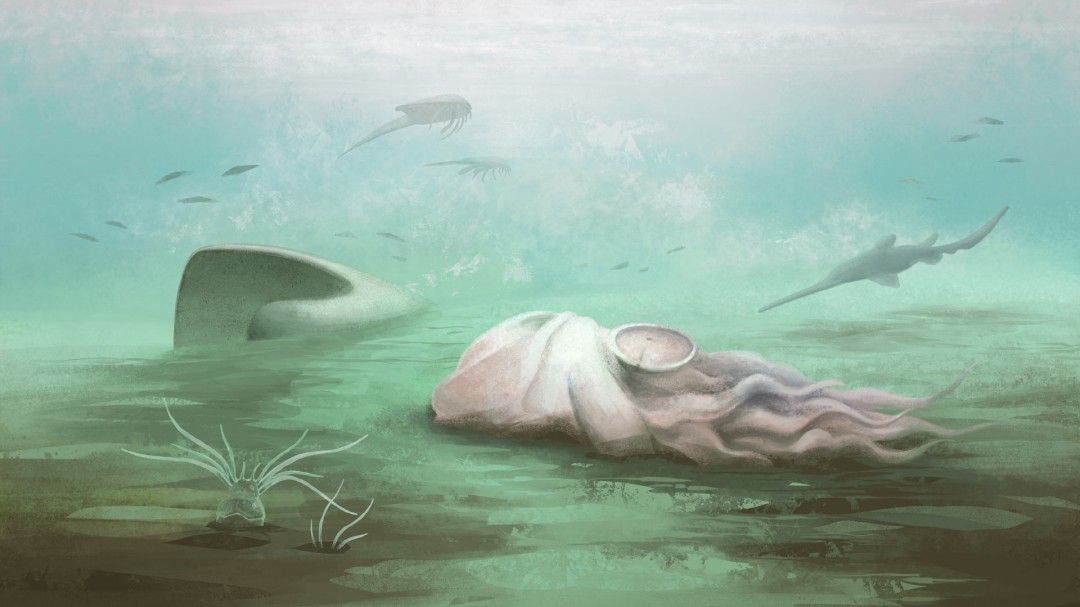
Scientific Reclassification: 300-Million-Year-Old Fossil No Longer Considered World’s Oldest Octopus
A significant shift in paleontological understanding has occurred following fresh research into a 300-million-year-old fossil. The specimen, once celebrated as the oldest octopus in existence, has been reclassified after scientists determined it does not belong to that species.
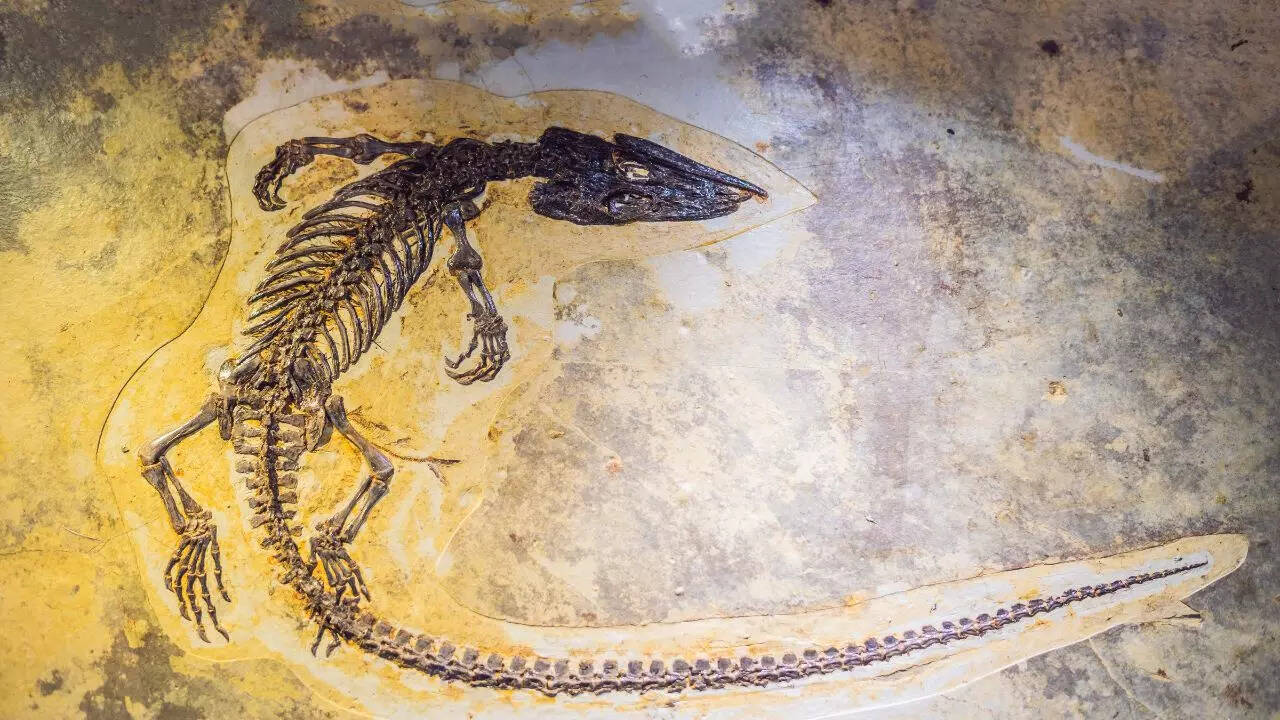
The fossil, identified as Pohlsepia mazonensis, was discovered in Mazon Creek, Illinois, in the United States. When it was first described in 2000, researchers believed the creature possessed eight arms and fins characteristic of an octopus. These physical traits led to the fossil being officially recognized by Guinness World Records as the oldest octopus fossil ever discovered.
However, a study published on April 8, 2026, in the journal Proceedings of the Royal Society B has challenged this long-held belief, concluding that the animal was likely a different species entirely. This correction illustrates the iterative nature of scientific innovation, where updated analytical methods and new data can overturn decades of established consensus to provide a more accurate map of prehistoric biodiversity.
For more information on this discovery, refer to the Science Update regarding the fossil reclassification.
