
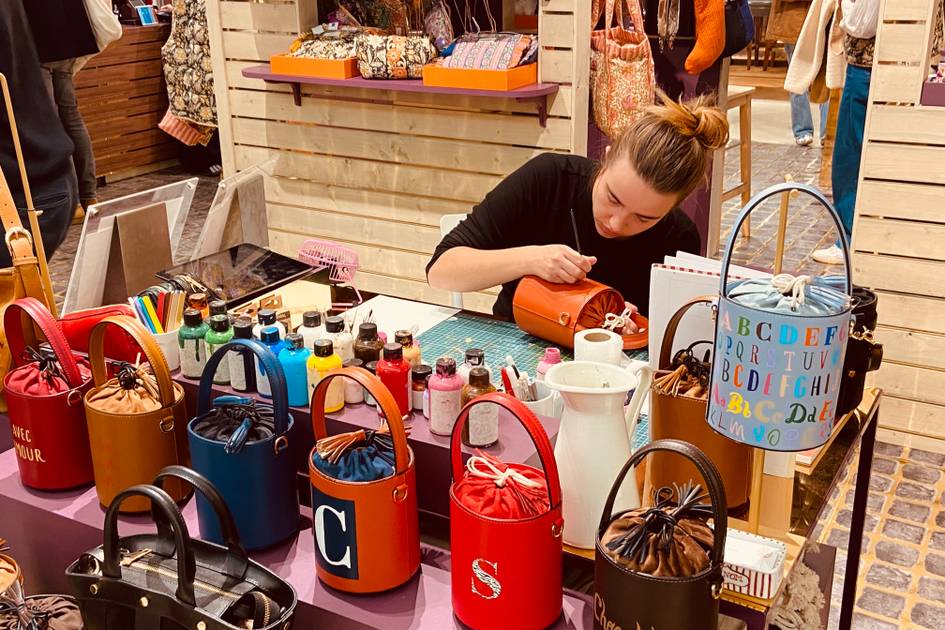
A shift is underway in consumer preferences, moving beyond a focus on speed and scalability towards qualities like attention, craftsmanship, and meaning. This renewed appreciation for artistry isn’t a nostalgic trend, but a contemporary movement aligning with what consumers now seek – not just a product, but a story, not just convenience, but an experience. This trend has significant implications for brands looking to differentiate themselves in a crowded marketplace, particularly as consumers increasingly prioritize value and authenticity.
This emphasis on craftsmanship serves as a powerful lever for creating distinctive customer experiences and, increasingly, for promoting sustainability. For fashion retailers, integrating this approach into service, storytelling, and the overall shopping experience can build strong customer relationships and lasting relevance.
What Exactly is This “New Craftsmanship”?
The seeds of this movement began to appear between 2000 and 2010 as a small-scale reaction to decades of mass-produced, disposable goods. The economic crisis of 2008, and later the COVID-19 lockdowns of 2020, accelerated this trend as the public reevaluated the importance of sustainability, local production, and investing in durable goods. The “Buy Local” campaigns that gained traction during the pandemic are a prime example.
The digital revolution further fueled this growth, providing artisans with platforms like Etsy and social media channels like Pinterest, Instagram, and TikTok to easily promote and sell their handmade creations. Today, “new craftsmanship” has evolved into a significant economic force, characterized by several key aspects:
Blending Ancient and New
Artisans and designers are combining traditional techniques with digital technologies and innovative materials. Iris van Herpen exemplifies this fusion, seamlessly weaving the age-old craft of haute couture with cutting-edge technology. She broke through in 2010 with the first 3D-printed dress on the international haute couture runway. In 2011, she launched her first museum exhibition, aptly named “Het nieuwe Ambacht” (The New Craftsmanship), introducing her signature approach – a blend of traditional skill and innovative technology, also known as ‘craftolution.’ This became her hallmark, allowing her to build a strong and enduring haute couture brand, even as ready-to-wear gained prominence through social media influencers.
Sustainability and Quality
The new craftsmanship movement encourages conscious choices, longer product lifecycles, and an appreciation for quality – aligning perfectly with contemporary sustainability goals. Patagonia embodies this approach, cultivating a loyal following through high-quality, durable outdoor apparel that minimizes environmental impact. The company’s mission is “We are in business to save our home planet.” They combine traditional garment-making techniques with innovative, eco-friendly materials like recycled polyester from fishing nets (NetPlus), hemp, and organic cotton. Their “Worn Wear” program and focus on repairability significantly extend the lifespan of their products.
Experience and Personalization
Consumers are increasingly seeking unique, customized items – from artisanal foods in nostalgic glass jars to handcrafted furniture. The new craftsmanship, with its focus on authenticity and personalized attention, is well-positioned to meet this demand. It’s about the story – of the maker, the process, the materials, and their origins – brought to life through an aesthetic setting with emotional and sensory engagement.
During a visit to the Shinola luxury leather goods boutique in Chicago, I experienced this firsthand. The leather goods were displayed in a walnut salon, and the scent of leather created a truly immersive experience. Every purchase can be personalized, and a staff member provided a personal tour, sharing the brand’s story. Founded in 2011 in Detroit, during a period of deep financial crisis, Shinola aimed to facilitate the local community rebuild. Through a job training program, residents were skilled in watchmaking and leatherworking in a renovated General Motors factory. With the slogan “Built in Detroit,” Shinola emphasizes that design, manual assembly, and leather sourcing often occur locally. Their products are proudly worn by former U.S. Presidents and Hollywood stars.
The New Craftsmanship in Retail
The success of this approach is becoming increasingly visible in retail spaces, offering valuable lessons for brands. Here are a few examples:
-
The Boardroom, a concept built around new craftsmanship. In Amsterdam’s Jordaan district, Melvin Keijzer opened his menswear boutique, The Boardroom, five years ago. Describing it as “This house of craft and friendship,” he offers luxury bespoke tailoring. His passion for quality and craftsmanship, particularly bespoke clothing, is shared with his tens of thousands of followers on TikTok and Instagram. As “Melvin the Tailor,” he provides glimpses into the tailoring craft – from in-store fittings to product presentations and anecdotes. Always dressed in a colorful bespoke suit, he embodies a new generation of tailors. The content resonates with a large online audience, attracting spontaneous visits for photos and conversations, and driving sales. While the clothing production remains traditionally based in a Portuguese atelier, and personal measuring services take place in an immersive salon, the marketing engine runs fully in the digital realm – a successful blend of old craft in a new digital package.
-
Zara Home Madrid, featuring new craftsmanship as a product line and in-store design. In its flagship store in Madrid’s Salamanca district, Zara Home translated the new craftsmanship into a range of lifestyle product lines and a minimalist, futuristic atelier setting. The store is visually appealing, and the products invite tactile exploration. Zara Home has successfully enticed consumers with this immersive shopping experience.
- Chiltern Street in London’s Marylebone district, as an example of an entire shopping street embracing the new craftsmanship. Here you’ll discover menswear shops excelling in both beautiful artisanal products and personal service, a women’s shoe store with handcrafted shoes from Turkey, a women’s boutique with naturally dyed jackets made from recycled fabrics, ateliers with artisanal lifestyle and household products, as well as handmade jewelry, leather goods, luggage, and even artisan-distilled whisky.
All of these retailers successfully integrate the new craftsmanship into their product, service, storytelling, and shopping experience. As a movement, it has firmly established itself in retail destinations and is now an indispensable response to our desire for quality, sustainability, and genuine attention. And that’s something we can all benefit from!
This is a contribution from Melvin van Tholl, Customer Experience Architect, from BLOODY BELIEVERS. The creative-strategic agency that helps brands and companies develop groundbreaking solutions in their customer experience. He does this for companies in the Netherlands and beyond. In this series, he takes you into the wonderful world of the consumer, with lessons to craft your company future-proof from the customer experience.
