
Real Human Skeleton Remains Centerpiece of 350-Year-Old Spanish Tradition
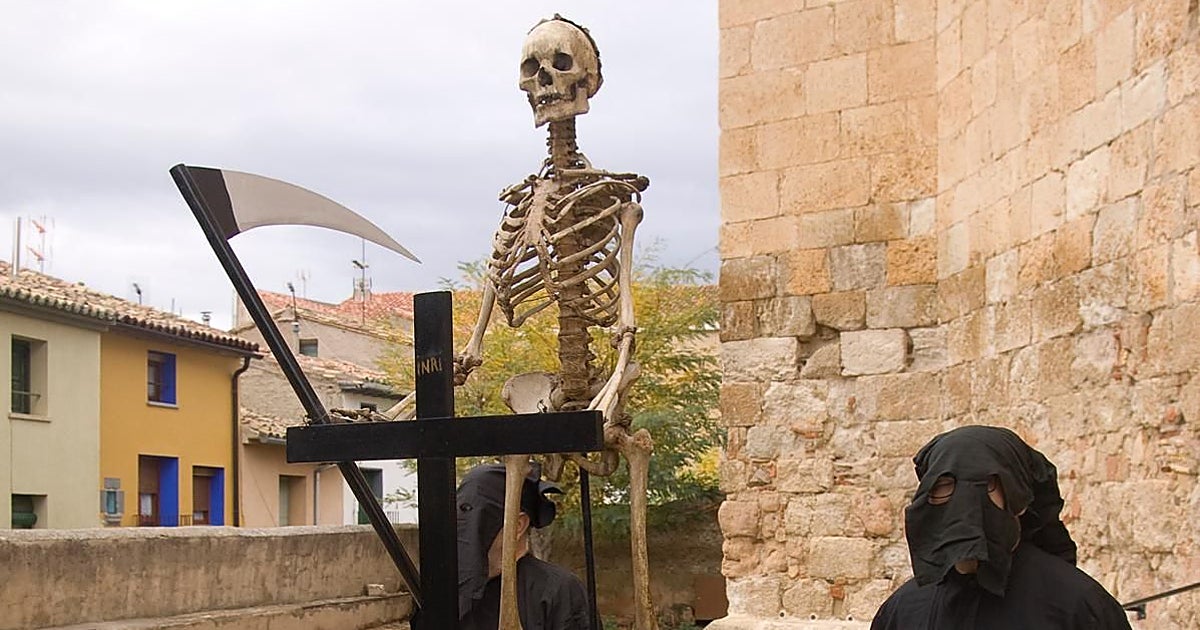
In the town of Ateca, located in the province of Zaragoza, a centuries-old Holy Week tradition continues to challenge the boundaries between religious devotion and the macabre. For over 350 years, the community has processed with a real human skeleton, a singular practice that serves as a stark reminder of mortality and faith.
The remains, which have been documented in processions since 1661, are featured during the Santo Entierro (Holy Burial) procession. The skeleton, which belongs to a woman, is meticulously preserved and held together with wires. Anthropological and medical studies have revealed that the woman suffered from osteoarthritis, likely the result of a life spent performing demanding physical labor.
Positioned upright on a small float, the skeleton is accompanied by a simple cross and a scythe—traditional symbols of time and death. This imagery is designed to convey a clear theological message: the ultimate equality of all human beings in the face of death and the eventual triumph of Jesus Christ over it.
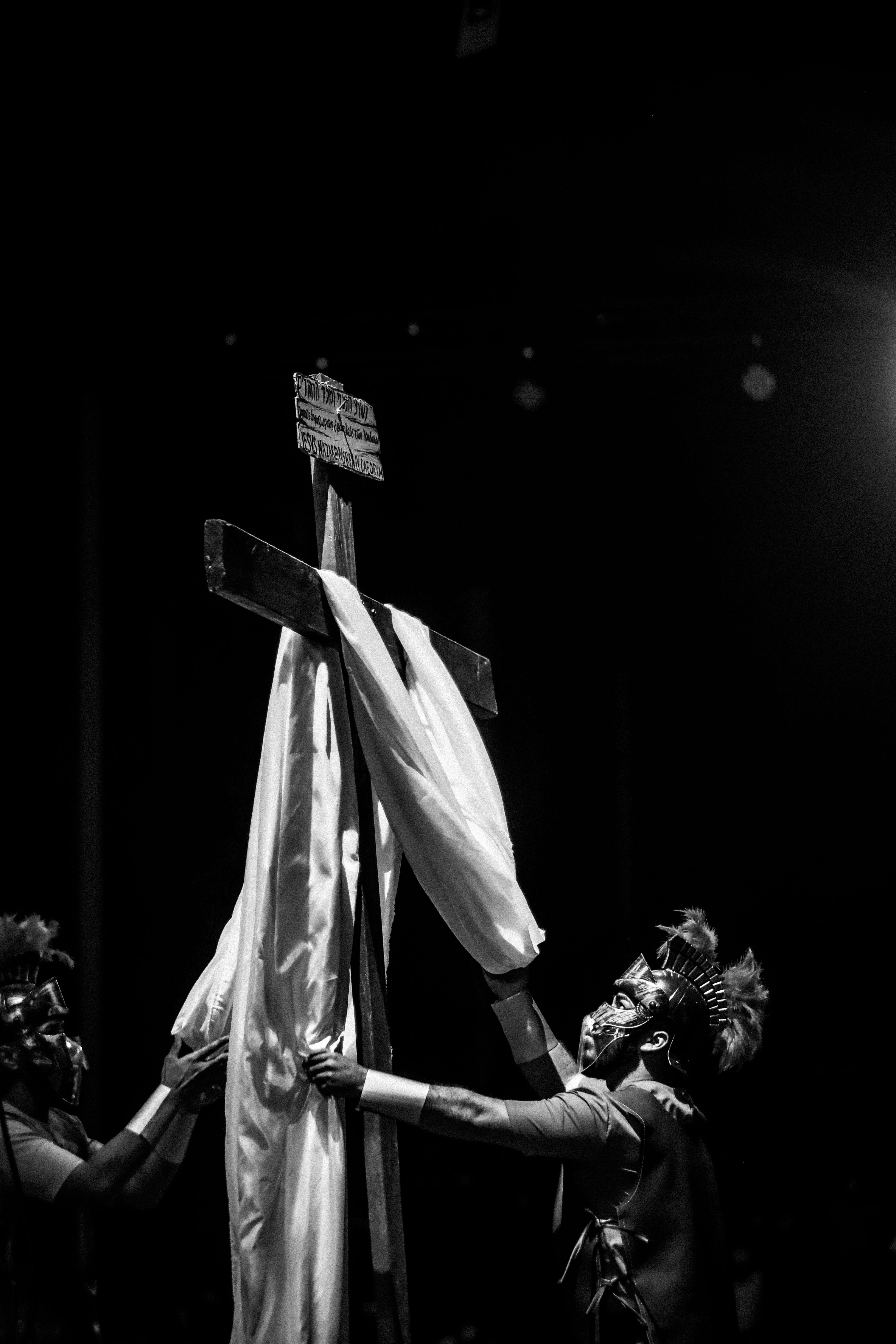
The tradition is maintained by the Cofradía de Nuestra Señora de la Soledad. The procession is one of the most theatrical displays of Holy Week in the region, involving more than 300 local residents who dress in period clothing to enact scenes from the Old and New Testaments. Due to its cultural and historical significance, the event has been designated a Fiesta de Interés Turístico de Aragón.
Although other cities once attempted similar displays, few survived the scrutiny of later centuries. In 19th-century Cádiz, for example, the Faculty of Medicine provided a skeleton annually for a procession, but the practice eventually ceased after the display became an object of mockery and public speculation regarding the identity of the deceased. In contrast, Ateca’s tradition predates even the famous “La Canina” procession in Seville by three decades, maintaining its solemnity and purpose for centuries.
The persistence of this practice highlights a rare survival of medieval and early modern perspectives on death within contemporary religious celebrations. Even when weather interferes—as it did on April 19, 2025, when rain forced the ceremony to move inside the town’s Mudéjar church—the community continues to honor the ritual as a moment of deep reflection.
