
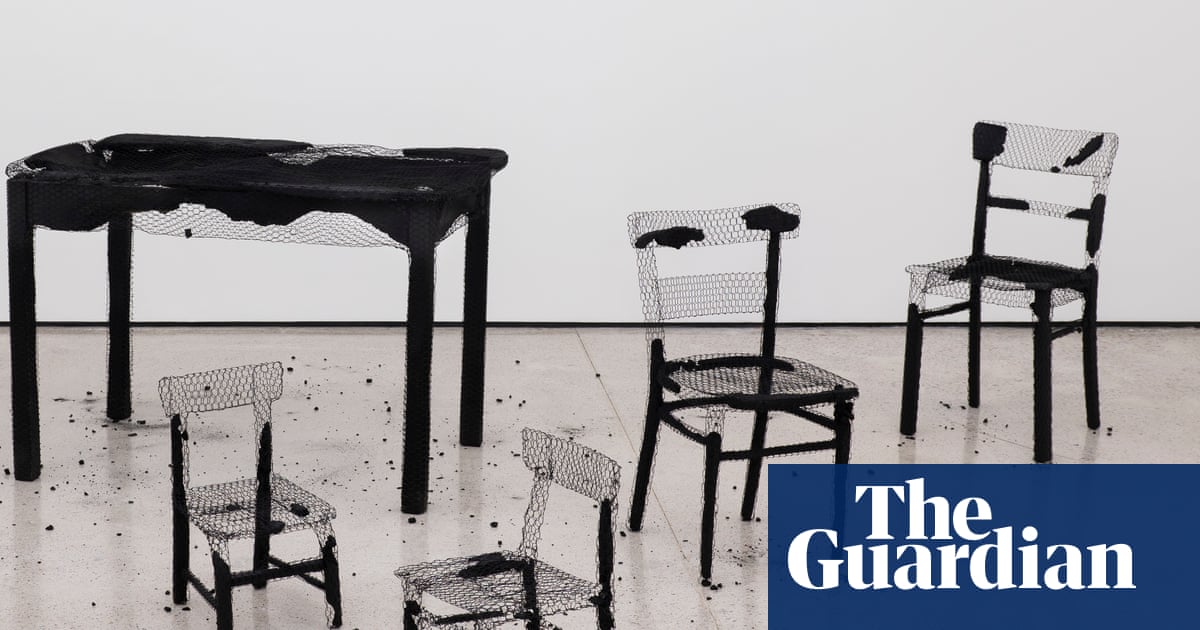
Curious about the future of art? Discover how the art world is evolving with immersive experiences and digital innovations like NFTs,while also embracing diversity and the power of public art to transform communities,ensuring that the trends in art continue to captivate and engage audiences in unprecedented ways.
“`html
Art World Trends: A Glimpse into the Future
Table of Contents
The art world is constantly evolving, shaped by technological advancements, shifting cultural landscapes, and the enduring human desire for creative expression. Let’s explore some key trends and what they might mean for the future of art.
The Rise of Immersive Experiences
Museums and galleries are increasingly embracing immersive technologies to captivate audiences.Think beyond traditional exhibitions; imagine stepping into a Van Gogh painting or exploring a digital recreation of a lost civilization. This trend is driven by the desire to make art more accessible and engaging, notably for younger generations. Virtual Reality (VR) and Augmented Reality (AR) are at the forefront, offering unprecedented ways to interact with art.
Real-life example: The “Van Gogh: the Immersive Experience” has toured globally, drawing massive crowds and demonstrating the public’s appetite for this type of presentation.This is a clear indication of where the art world is heading.
Digital Art and NFTs: A New Frontier
Digital art, including NFTs (Non-Fungible Tokens), has exploded onto the scene, challenging traditional notions of ownership and value. NFTs provide a way to authenticate and track digital artwork,opening up new avenues for artists to monetize their creations. This trend is still developing, with ongoing debates about its long-term impact and sustainability. However, it’s undeniable that digital art is here to stay.
Data Point: In 2021, the NFT market saw a surge in sales, reaching billions of dollars. While the market has cooled somewhat, the underlying technology and its potential remain critically importent.
Focus on Diversity and Inclusion
the art world is becoming more conscious of its role in reflecting the diversity of society. There’s a growing emphasis on showcasing artists from underrepresented communities,addressing historical biases,and creating more inclusive spaces. This includes a focus on artists from different cultural backgrounds, genders, and abilities. This shift is not just about representation; it’s about enriching the art world with new perspectives and voices.
Case study: The increased visibility of Black artists and artists of color in major museums and galleries is a testament to this trend.Institutions are actively acquiring and exhibiting works that reflect a broader range of experiences.
The Power of Public Art
Public art is experiencing a resurgence, with cities and communities recognizing its ability to transform spaces and foster civic engagement. Murals, sculptures, and installations are becoming integral parts of urban landscapes, sparking conversations and reflecting local identities. This trend is fueled by a desire to make art accessible to everyone and to use art as a tool for social change.
Pro Tip: Keep an eye out for public art initiatives in your city. They often offer free access to art and provide a unique way to experience your community.
Sustainability in the Art World
Environmental concerns are influencing the art world, with artists and institutions exploring sustainable practices. This includes using eco-pleasant materials, reducing waste, and addressing the carbon footprint of art production and transportation. The goal is to create a more environmentally conscious art ecosystem.
Did you know? Some artists are using recycled materials or creating art that comments on environmental issues,raising awareness and inspiring action.
FAQ: Art World Trends
Q: Are NFTs a bubble?
A: The NFT market has experienced volatility, but the underlying technology has potential. Its long-term impact is still unfolding.
Q: How can I experience immersive art?
A: Look for VR/AR exhibitions, digital art installations, and museums that are incorporating technology into their displays.
Q: What’s the future of art collecting?
A: Digital art and NFTs are changing the landscape, but traditional collecting will likely continue alongside these new forms.
Q: How can I support diverse artists?
A: Seek out galleries and museums that showcase diverse artists, and consider purchasing their work.
Q: What is the role of AI in art?
A: AI is being used to create art,assist artists,and analyse art. Its role will continue to grow.
Q: How is the art world becoming more sustainable?
A: Artists and institutions are using eco-friendly materials, reducing waste, and addressing their carbon footprint.
Q: What are some examples of public art?
A: Murals, sculptures, and installations in public spaces.
Q: How can I stay informed about art world trends?
A: Follow art publications, visit museums and galleries, and engage with art communities online.
Q: What is the impact of technology on art?
A: Technology is transforming how art is created, experienced, and shared.
Q: How is the art world becoming more inclusive?
A: By showcasing artists from underrepresented communities and addressing historical biases.
Q: What are some of the challenges facing the art world?
A: Economic inequality, sustainability, and the impact of technology.
Q: What are some of the opportunities in the art world?
A: New technologies, increased diversity, and a growing interest in art.
Q: How can I get involved in the art world?
A: Visit museums and galleries,attend art events,and support artists.
Q: What are some of the most exciting developments in the art world?
A: Immersive experiences, digital art, and the focus on diversity and inclusion.
Q: What are some of the most important trends in the art world?
A: Immersive experiences, digital art and NFTs, diversity and inclusion, public art, and sustainability.
Q: what are some of the key players in the art world?
A: Artists, galleries, museums, collectors, and critics.
Q: What are some of the most popular art forms?
A: Painting, sculpture, photography, and digital art.
Q: What are some of the most important art movements?
A: Impressionism,cubism,Surrealism,and Abstract Expressionism.
Q: What are some of the most famous artists?
A: Leonardo da Vinci, Michelangelo, Van Gogh, Picasso, and Warhol.
Q: What are some of the best art museums?
A: The Louvre, the Metropolitan Museum of art, the National Gallery, and the Tate Modern.
Q: What are some of the best art galleries?
A: Gagosian, Pace Gallery, and Hauser & Wirth.
Q: What are some of the best art fairs?
A: art Basel, Frieze, and TEFAF.
Q: What are some of the best art publications?
A: The Art Newspaper,Artforum,and art in America.
Q: What are some of the best art websites?
A: Artsy, Artnet, and MutualArt.
Q: What are some of the best art podcasts?
A: The Art Angle, The Modern Art Notes Podcast, and ArtTactic.
Q: What are some of the best art books?
A: “Ways of Seeing” by John Berger, “The Story of Art” by E.H. Gombrich, and “Seven Days in the Art World” by Sarah Thornton.
Q: What are some of the best art documentaries?
A: “My Architect,” “Exit Through the Gift Shop,” and “Ai Weiwei: Never Sorry.”
Q: What are some of the best art films?
A: “Loving Vincent,” “Pollock,” and “Frida.”
Q: What are some of the best art-related TV shows?
A: “Art21,” “Fake or fortune?,” and “Portrait artist of the Year.”
Q: What are some of the best art-related events?
A: Art Basel, Frieze, and the Venice biennale.
Q: What are some of the best art-related organizations?
A: The National Endowment for the Arts, the Arts Council England, and the Creative Scotland.
Q: What are some of the best art-related resources?
A: Art museums, art galleries, art fairs, art publications, art websites, art podcasts, art books, art documentaries, art films, art-related TV shows, art-related events, and art-related organizations.
Q: What are some of the best art-related careers?
A: Artist, curator, art historian, art critic, art dealer, art consultant, art conservator, art educator, art administrator, and art journalist.
Q: What are some of the best art-related skills?
A: creativity, critical thinking, communication, research, and business acumen.
Q: What are some of the best art-related education programs?
A: Art schools, art history programs, and art business programs.
Q: what are some of the best art-related grants and fellowships?
A: The Guggenheim Fellowship, the MacArthur Fellowship, and the Pollock-Krasner Foundation grant.
Q: What are some of the best art-related awards?
A: The Turner Prize,the Venice Biennale Golden Lion,and the Pulitzer Prize for Criticism.
Q: What are some of the best art-related jobs?
A: Artist, curator, art historian, art critic, art dealer, art consultant, art conservator, art educator, art administrator, and art journalist.
Q: What are some of the best art-related internships?
A: Internships at art museums, art galleries, and art organizations.
Q: What are some of the best art-related volunteer opportunities?
A: Volunteering at art museums,art galleries,and art organizations.
Q: what are some of the best art-related resources for artists?
A: art museums, art galleries, art fairs, art publications, art websites, art podcasts, art books, art documentaries, art films, art-related TV shows, art-related events, art-related organizations, art-related education programs, art-related grants and fellowships, art-related awards, art-related jobs, art-related internships, and art-related volunteer opportunities.
Q: what are some of the best art-related resources for art collectors?
A: Art museums, art galleries, art fairs, art publications, art websites, art podcasts, art books, art documentaries, art films, art-related TV shows, art-related events, art-related organizations, art-related education programs, art-related grants and fellowships, art-related awards, art-related jobs, art-related internships, and art-related volunteer opportunities.
Q: What are some of the best art-related resources for art lovers?
A: Art museums, art galleries, art fairs, art publications, art websites, art podcasts, art books, art documentaries, art films, art-related TV shows, art-related events, art-related organizations, art-related education programs, art-related grants and fellowships, art-related awards, art-related jobs, art-related internships, and art-related volunteer opportunities.
Q: What are some of the best art-related resources for art students?
A: Art museums, art galleries, art fairs, art publications, art websites, art podcasts, art books, art documentaries, art films, art-related TV shows, art-related events, art-related organizations, art-related education programs, art-related grants and fellowships, art-related awards, art-related jobs, art-related internships, and art-related volunteer opportunities.
Q: What are some of the best art-related resources for art professionals?
A: Art museums, art galleries, art fairs, art publications, art websites, art podcasts, art books, art documentaries, art films, art-related TV shows, art-related events, art-related organizations, art-related education programs, art-related grants and fellowships, art-related awards, art-related jobs, art-related internships, and art-related volunteer opportunities.
Q: What are some of the best art-related resources for art educators?
A: Art museums, art galleries, art fairs, art publications, art websites, art podcasts, art books, art documentaries, art films, art-related TV shows, art-related events, art-related organizations, art-related education programs, art-related grants and fellowships, art-related awards, art-related jobs, art-related internships, and art-related volunteer opportunities.
Q: What are some of the best art-related resources for art administrators?
A: art museums, art galleries, art fairs, art publications, art websites, art podcasts, art books, art documentaries, art films, art-related TV shows, art-related events, art-related organizations, art-related education programs, art-related grants and fellowships, art-related awards, art-related jobs, art-related internships, and art-related volunteer opportunities.
Q: What are some of the best art-related resources for art journalists?
A: Art museums, art galleries, art fairs, art publications, art websites, art podcasts, art books, art documentaries, art films, art-related TV shows, art-related events, art-related organizations, art-related education programs, art-related grants and fellowships, art-related awards, art-related jobs, art-related internships, and art-related volunteer opportunities.
Q: What are some of the best art-related resources for art critics?
A: Art museums, art galleries, art fairs, art publications, art websites, art podcasts, art books, art documentaries, art films, art-related TV shows, art-related events, art-related organizations, art-related education programs, art-related grants and fellowships, art-related awards, art-related jobs, art-related internships, and art-related volunteer opportunities.
Q: What are some of the best art-related resources for art dealers?
A: Art museums, art galleries, art fairs, art publications, art websites, art podcasts, art books, art documentaries, art films, art-related TV shows, art-related events, art-related organizations, art-related education programs, art-related grants and fellowships, art-related awards, art-related jobs, art-related internships, and art-related volunteer opportunities.
Q: What are some of the best art-related resources for art consultants?
A: Art museums, art galleries, art fairs, art publications, art websites, art podcasts, art books, art documentaries, art films, art-related TV shows, art-related events, art-related organizations, art-related education programs, art-related grants and fellowships, art-related awards, art-related jobs, art-related internships, and art-related volunteer opportunities.
Q: what are some of the best art-related resources for art conservators?
A: Art museums, art galleries, art fairs, art publications, art websites, art podcasts, art books, art documentaries, art films, art-related TV shows, art-related events, art-related organizations, art-related education programs, art-related grants and fellowships, art-related awards, art-related jobs, art-related internships, and art-related volunteer opportunities.
Q: What are some of the best art-related resources for art historians?
A: Art museums, art galleries, art fairs, art publications, art websites, art podcasts, art books, art documentaries, art films, art-related TV shows, art-related events, art-related organizations, art-related education programs, art-related grants and fellowships, art-related awards, art-related jobs, art-related internships, and art-related volunteer opportunities.
Q: what are some of the best art-related resources for
