

Tick Bite Reports Surge: Experts Point to Rising Rodent Populations as Key Driver
Public health officials are urging increased vigilance as tick activity rises, following a year of record-breaking growth in tick bites. According to data from Tekenradar.nl, the number of reported tick bites climbed by 41% in 2025 compared to the previous year, marking the highest volume of reports seen in five years.
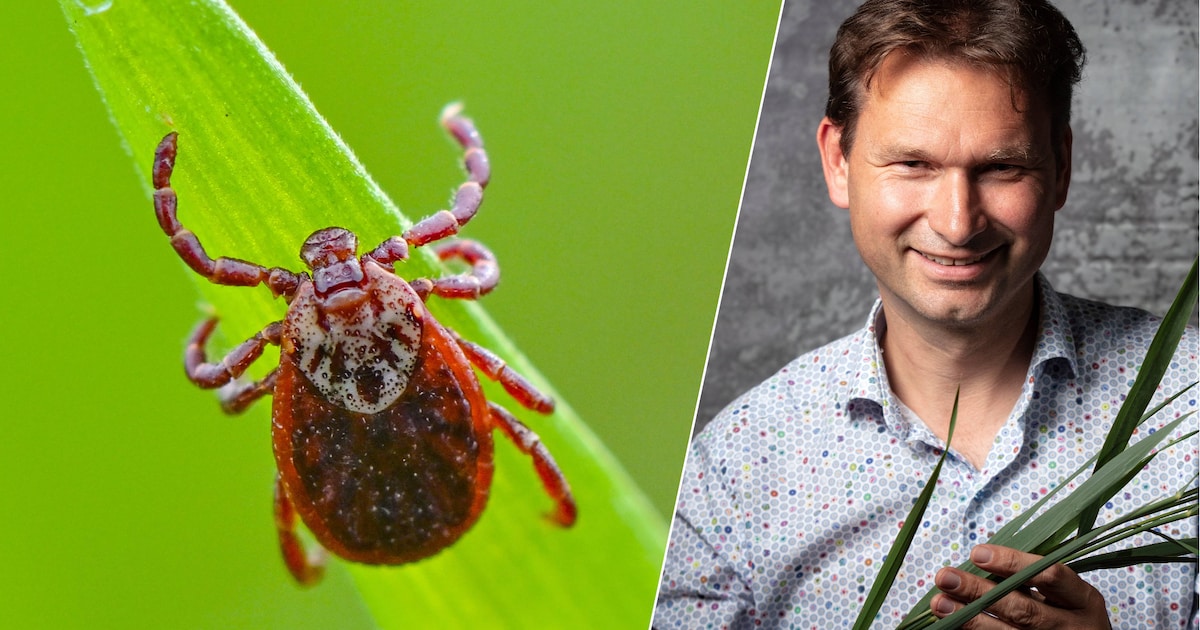
A significant factor in this increase appears to be the growth of the mouse population. Arnold van Vliet, a biologist at Wageningen University, explains that mice serve as essential “hosts,” providing a critical blood source for ticks. When rodent populations increase, ticks can find hosts more easily, which improves their survival rates and leads to an overall increase in their numbers. This biological link underscores how environmental shifts in wildlife populations can directly impact human health risks.
The geographical distribution of these bites varies significantly across the Netherlands. Drenthe reported the highest risk of tick bites, followed closely by Gelderland and Flevoland. In contrast, individuals in North Brabant, as well as North and South Holland, faced the lowest risks. However, specific hotspots have emerged; for instance, Hilversum saw a record record high of 10,975 reports in a single year. A sharp increase was noted along the North Holland coast, particularly in the dunes and forests stretching from Zandvoort to Egmond aan Zee.
Weather patterns have played a contradictory role in tick prevalence. In May 2025, biologist Arnold van Vliet noted that higher temperatures and dry conditions encouraged more outdoor activities, which contributed to a rise in bites. While extreme drought can actually limit tick survival by causing them to dehydrate, the overall trend in 2025 showed resilience. Despite a very dry spring that caused a temporary dip in tick numbers in May, the population recovered quickly following a subsequent wet period.
The National Institute for Public Health and the Environment (RIVM) has issued warnings regarding the increased risk of tick-borne illnesses, including Lyme disease. Experts emphasize that the timing of removal is critical to preventing infection.
To minimize health risks, health professionals recommend the following precautions:
- Conduct thorough body checks after spending time in nature or gardening, even if tick-repellent products were used.
- Remove ticks as quickly as possible using a tick tong or tweezers.
- Ensure the tick is removed without damaging its body; a crushed or damaged tick may release its stomach contents into the bloodstream, which increases the risk of infection.
As the tick season continues, these preventative measures remain essential for reducing the transmission of tick-borne pathogens. The current trend highlights the ongoing challenge of managing public health in the face of fluctuating wildlife populations and changing weather patterns, as detailed in reports including recent findings on rodent-driven tick increases.
