
The visual identity of classic video games often holds a powerful nostalgic pull for players, and the Sega Genesis, known as the Mega Drive outside North America, is no exception. The console, Sega’s third and a direct successor to the Master System, distinguished itself not only through its technical capabilities but also through a striking aesthetic that permeated its game packaging. This approach offered a distinct alternative to competitors like Nintendo’s Super Nintendo Entertainment System (SNES).
The Sega Genesis’s game covers, released beginning in October 1988 in Japan and August 1989 in North America, frequently adopted a bolder, more assertive style. They drew inspiration from a diverse range of artistic influences, including American comic books, Japanese anime, classic fantasy illustration, and heavy metal aesthetics. This created a unique visual language that resonated with a generation of gamers.
Unlike the more conventional game box art of the time, Sega Genesis covers often resembled movie posters or album covers, prioritizing dramatic imagery and vibrant colors. Titles featured heroic figures, futuristic landscapes, and dynamic action scenes, creating a sense of excitement and adventure. This design philosophy helped to establish a strong brand identity for the console and its games.
Here are ten examples of standout Sega Genesis cover art:
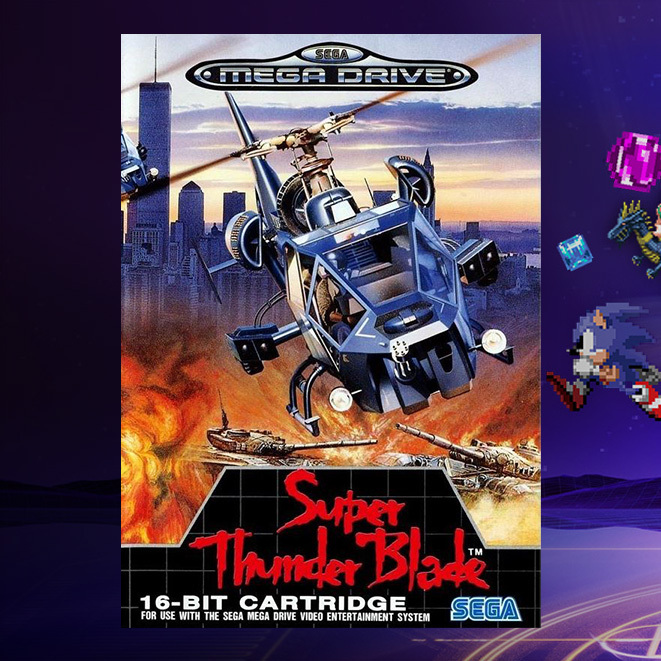
Super Thunder Blade
The cover for Super Thunder Blade exemplifies the console’s ability to convey intense action through a single image. The artwork evokes the feel of an action film, with striking parallels to Blue Thunder. Skyscrapers, explosions, and a dramatic perspective emphasize the armored helicopter’s dynamic movement, successfully capturing the arcade experience.
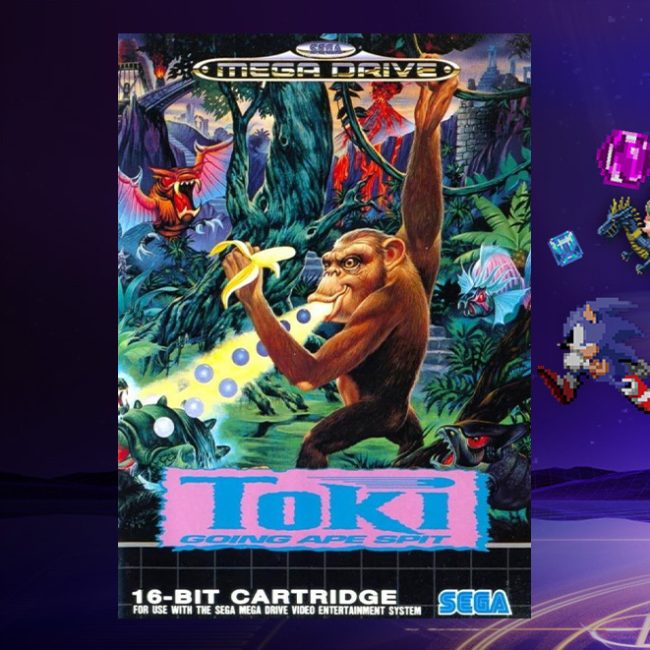
Toki Going Ape Spit
Toki Going Ape Spit’s cover is notable for its playful title and vibrant, colorful artwork. The jungle setting is teeming with monsters and intrigue, creating a sense of lively adventure. The cover’s unique style immediately grabs attention and sparks curiosity.
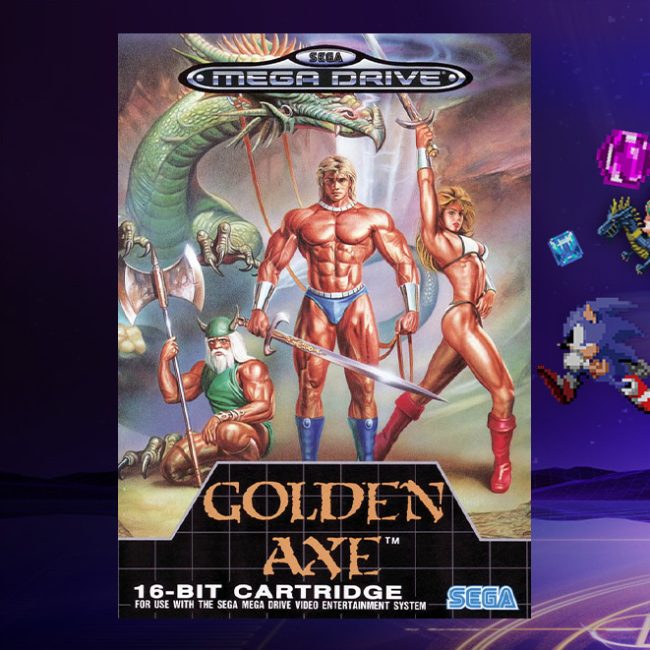
Golden Axe
Golden Axe’s cover is a prime example of epic fantasy art. The artwork features muscular heroes, gleaming swords, and beautiful characters, creating a visually stunning and memorable image. The cover’s aesthetic draws inspiration from bands like Manowar, embodying the console’s bold and energetic style.
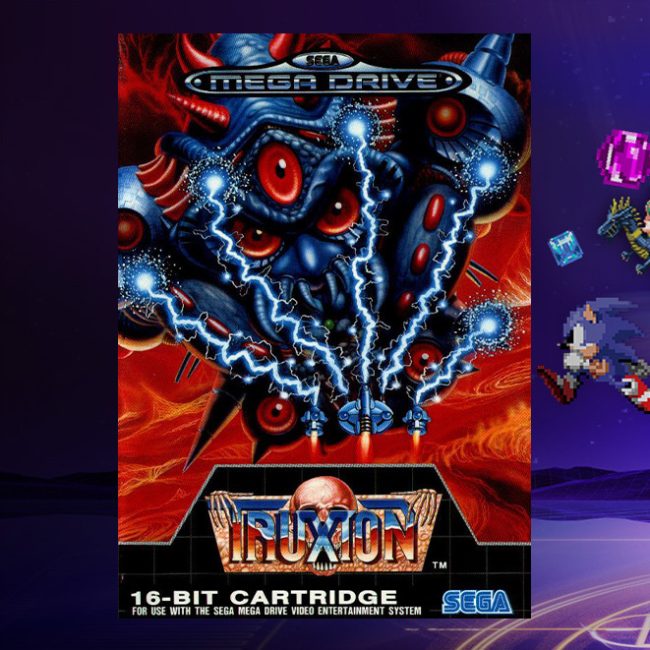
Truxton
The cover for Truxton features an intense color palette and a massive enemy ship, creating a visually striking and dynamic image. The combination of dark tones and fiery oranges, coupled with laser beams, evokes a sense of danger and excitement. The composition is well-balanced and impactful.
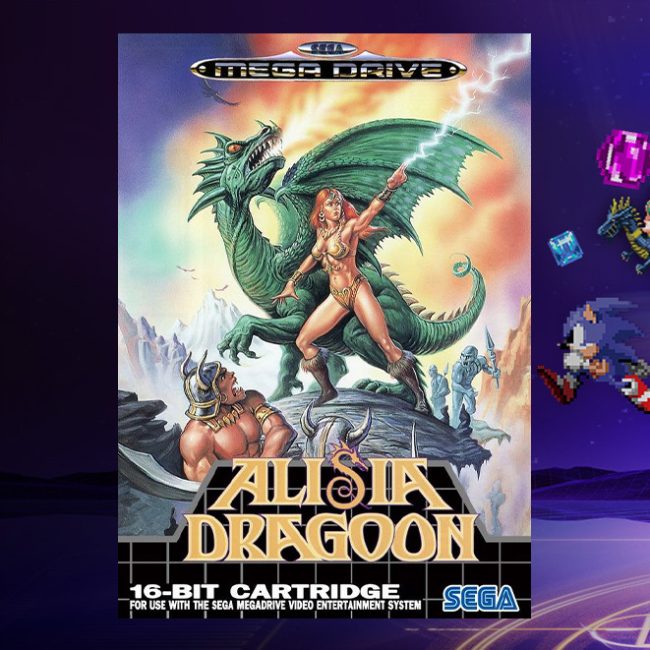
Alisia Dragoon
Alisia Dragoon’s cover offers a more elegant aesthetic compared to many other Sega Genesis titles. The artwork features the titular heroine in a dynamic pose, with a massive dragon looming in the background. The cover’s style is reminiscent of Japanese anime and manga, creating a unique and captivating image.
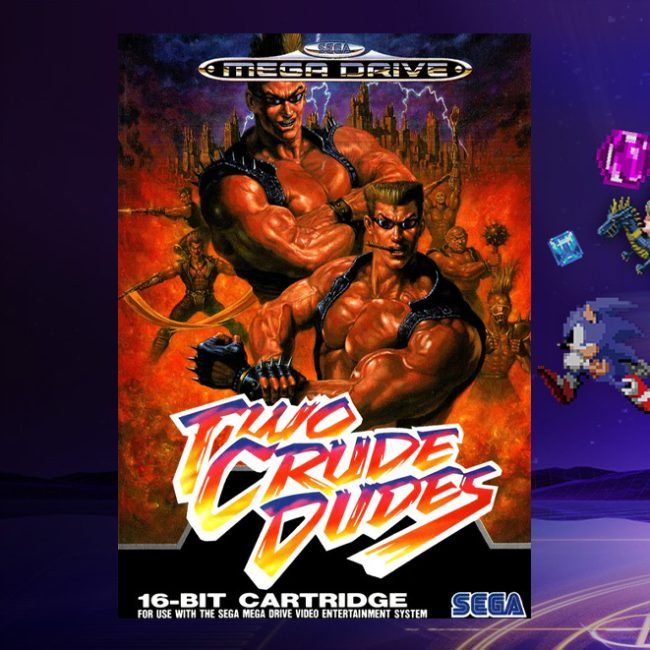
Two Crude Dudes
Two Crude Dudes’ cover perfectly captures the over-the-top action aesthetic of the early 1990s. The artwork features two massive, muscular heroes ready to take on any challenge. The cover’s unapologetic excess and bold style build it a memorable and iconic image.
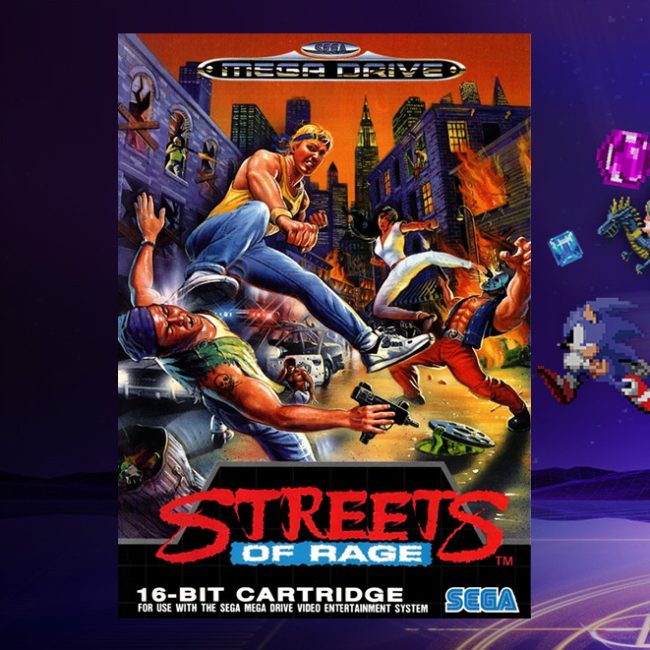
Streets of Rage
The cover for Streets of Rage is an iconic representation of the console’s style. The artwork features Axel and Blaze battling enemies amidst a backdrop of skyscrapers and neon lights. The cover’s dynamic composition and vibrant colors embody the energy and excitement of the game.
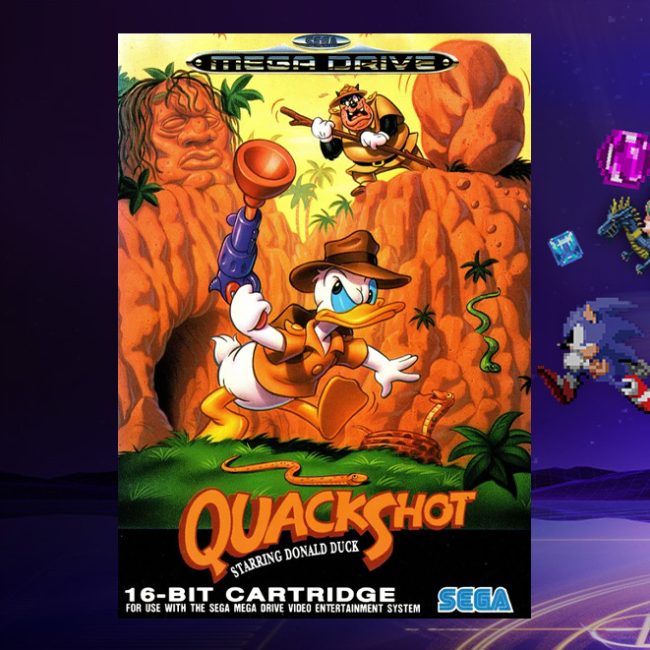
Quackshot Starring Donald Duck
Quackshot Starring Donald Duck’s cover offers a unique blend of charm and style. The artwork features Donald Duck as an adventurous explorer, complete with a safari hat and determined expression. The cover’s balance between kid-friendly appeal and sophisticated design makes it a timeless classic.
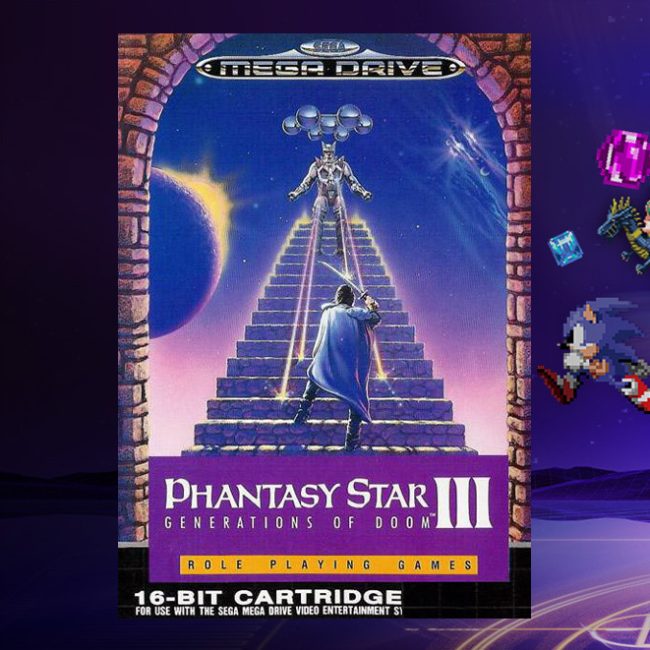
Phantasy Star III: Generations of Doom
The cover for Phantasy Star III: Generations of Doom evokes a sense of mystery and epic scale. The artwork features a lone hero facing a formidable enemy, set against a backdrop of a celestial staircase. The cover’s atmospheric quality and unique style make it a standout example of Sega Genesis art.
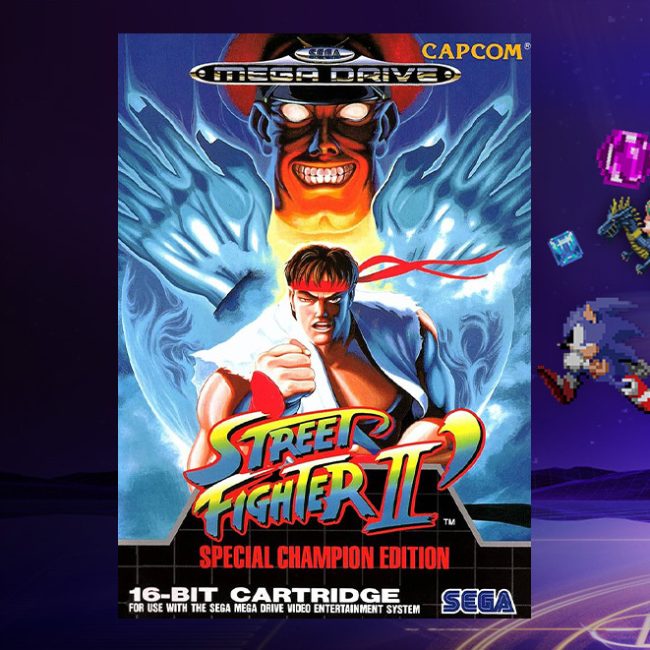
Street Fighter II: Champion Edition
The Street Fighter II: Champion Edition cover for the Sega Genesis is a standout example of the console’s artistic capabilities. The artwork is sharper, more vibrant, and more dynamic than its SNES counterpart, capturing the energy and intensity of the game. The cover’s Japanese-inspired style and striking imagery make it a truly iconic design.
The Sega Genesis library boasts a wealth of memorable cover art, and this list represents just a fraction of the console’s visual highlights. Titles like Castle of Illusion Starring Mickey Mouse, Turbo Outrun, Gynoug, and Sonic the Hedgehog 2 also deserve recognition. The enduring appeal of these covers underscores the Sega Genesis’s legacy as a console that not only delivered innovative gameplay but also captivated players with its striking visual identity.
Which covers did I miss, and which would you like to see mentioned?
