
U.S. To Blockade Strait of Hormuz as Trump Threatens China Over Iranian Arms
President Donald Trump has announced that the United States Navy will begin a blockade of the Strait of Hormuz on Monday, April 13, 2026. The move comes after high-stakes diplomatic efforts to end the war with Iran, including talks held in Pakistan over the weekend, collapsed without a resolution.
According to a post on Truth Social, the blockade is designed to prevent Iran from profiting from what the President described as an “illegal act of extortion,” specifically targeting vessels that pay tolls to the Iranian government. U.S. Central Command (CENTCOM) confirmed via X that the operation would commence at 10 a.m. ET on April 13. However, the military clarified that the action is more targeted than initially suggested, stating that the U.S. Will not impede vessels transiting the strait to or from non-Iranian ports.
This escalation underscores the volatility of global shipping lanes and the increasing intersection of Middle Eastern conflict and Great Power competition. While the U.S. Tightens its grip on the strait, the administration is simultaneously turning its attention toward Beijing.
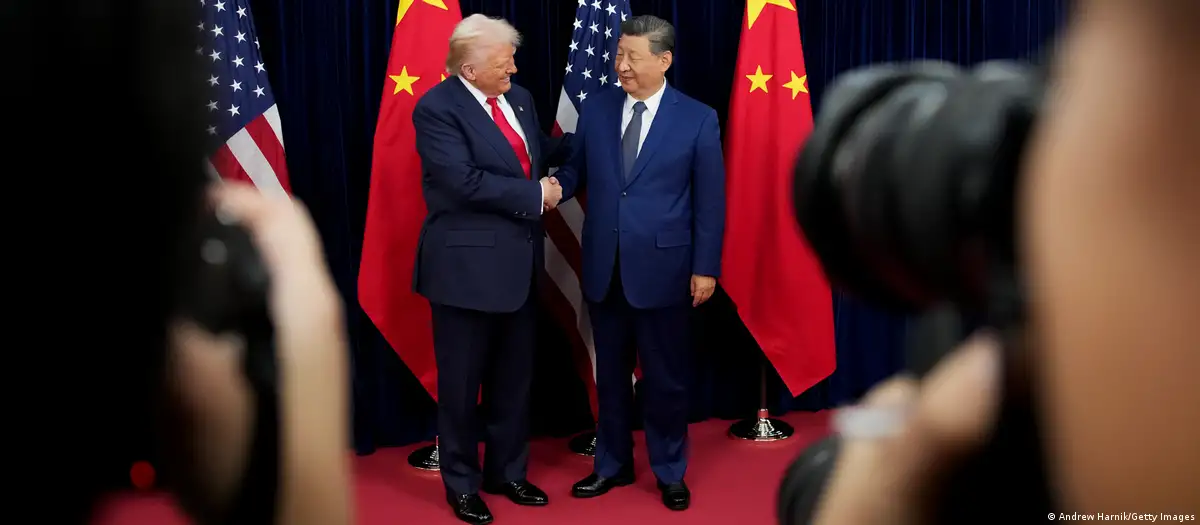
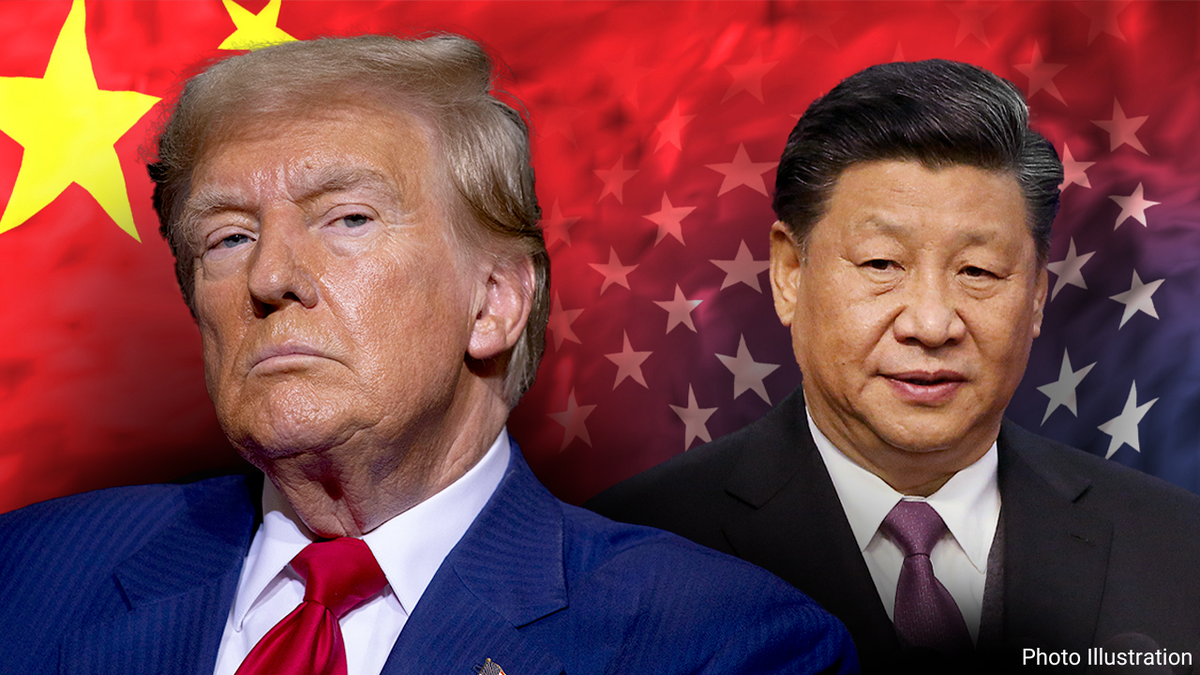
President Trump has issued stern warnings to China, stating that the country will face warnings that Beijing would face “big problems” if it sends weapons to Iran. The administration has further threatened potential 50% tariffs on China should it provide arms to the Iranian regime. These threats follow reports of Trump’s threats of tariffs against China for aiding Iran in any capacity.
The geopolitical ripple effects of the conflict are already becoming apparent in the Indo-Pacific. Jon Czin, a fellow at the Brookings Institution and former National Security Council director for China, noted that U.S. Military assets are being repositioned away from the Pacific theater to address the crisis in the Middle East. Czin suggested that this shift grants Beijing significant “time and space” to strengthen itself, as the U.S. Is no longer focusing its full attention—or what he termed the “eye of Sauron”—on China.
Beijing has largely remained on the sidelines of the conflict. While President Donald Trump has publicly urged China to help reopen the Strait of Hormuz, President Xi Jinping has maintained a silence that experts believe is strategic. China has managed to maintain some ship transits through the strait and has buffered itself against energy shocks through massive investments in green energy and the buildup of strategic oil reserves. This positioning may provide Xi with leverage ahead of a high-stakes summit with Trump, which was postponed by six weeks due to the war and is now anticipated for May.
As the U.S. Considers the resumption of limited military strikes in Iran to break the current diplomatic stalemate, some analysts view the existing current ceasefire as a diplomatic dead end for the Trump administration. The shift toward aggressive naval blockades and economic threats marks a departure from the defense of the multilateral order, signaling a more unilateral approach to resolving the regional crisis.
