
Washington D.C. – U.S. President Donald Trump has extended all existing sanctions against Russia for another year, following the inaugural meeting of the Peace Council he established. The move comes amid escalating tensions in Eastern Europe and a growing energy crisis, highlighting the complex geopolitical challenges facing the international community.
The decision to prolong the sanctions was announced on Friday, February 20, 2026, after the Peace Council’s initial session failed to yield significant progress in resolving ongoing conflicts. According to reports, the council, originally envisioned as a United Nations-approved body focused on achieving peace in Gaza, has broadened its scope to include other international disputes, such as the war in Ukraine.
Simultaneously, a crisis task force convened in Brussels after a drone attack damaged the Friendship pipeline, prompting Hungary and Slovakia to halt diesel shipments to Ukraine. The disruption to the pipeline, a key energy artery for Central Europe, has raised concerns about supply security and regional stability. Portfolio.hu reports that repairs to the pipeline have been completed, but Ukraine has yet to authorize the resumption of oil transport.
The situation is further complicated by diplomatic setbacks. A recent peace summit in Geneva concluded without breakthroughs, as Moscow, Kyiv, and Washington were unable to reach any substantive agreements. As Portfolio.hu detailed, Belarus was invited to participate in the Peace Council but was denied U.S. Visas despite submitting all required documentation, raising questions about the council’s inclusivity and effectiveness.
On the military front, NATO is bolstering its defenses in Eastern Europe. Three Spanish Eurofighter Typhoon fighter jets have been deployed to the Mihail Kogălniceanu airbase in Romania to strengthen air defenses in the Black Sea region, according to Portfolio.hu. This move reflects growing concerns about potential escalation in the region.
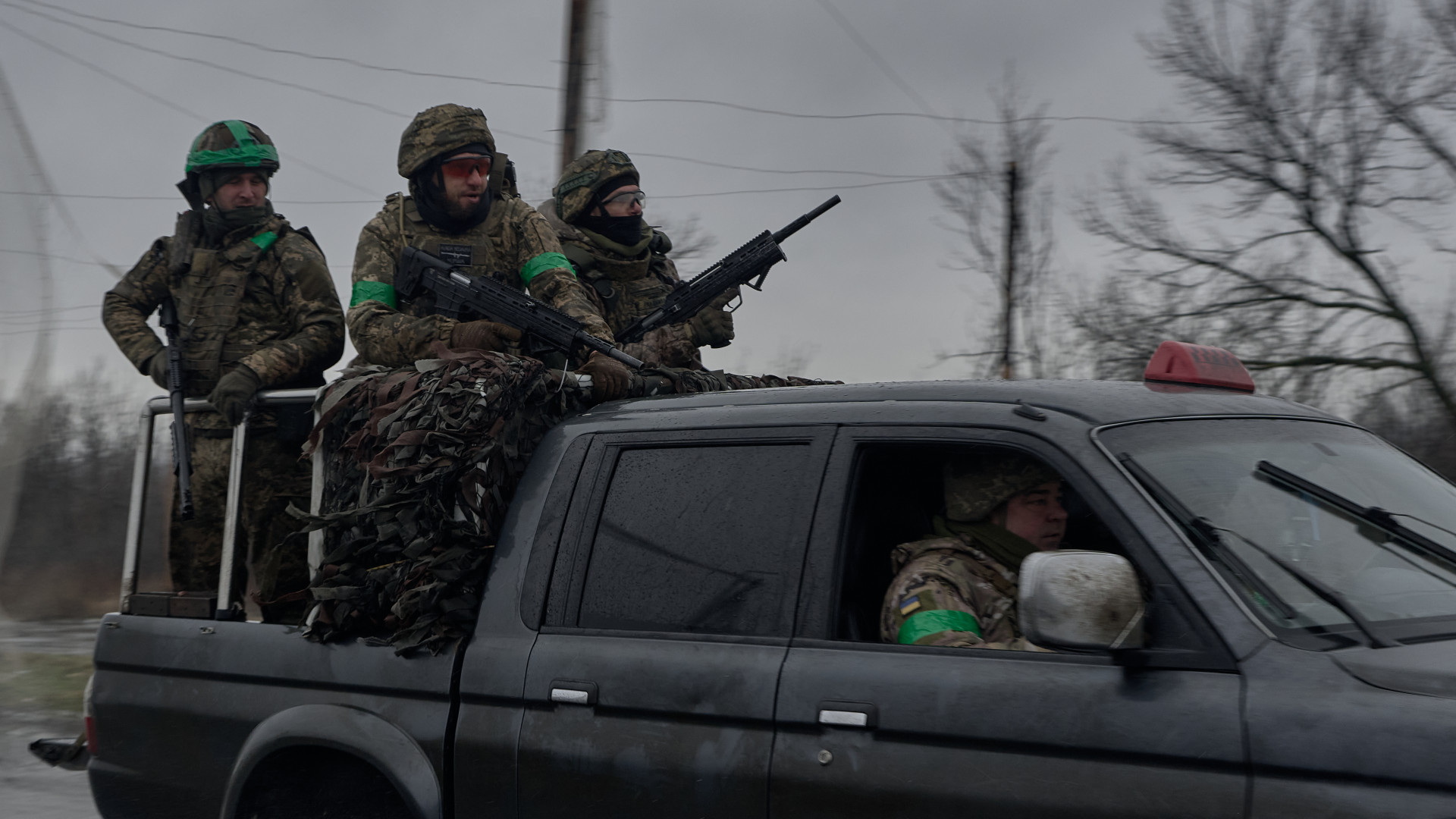
Ukraine’s air force reported that Russia launched an Iskander-M ballistic missile and 129 drones overnight on February 20, 2026, claiming to have intercepted 107 of the drones. The ongoing attacks underscore the continued intensity of the conflict.
Meanwhile, Russian Foreign Minister Sergey Lavrov warned that a military strike against Iran could have “catastrophic” consequences, potentially triggering a nuclear disaster. The statement highlights the broader geopolitical risks associated with the ongoing conflicts and tensions in the Middle East.
