
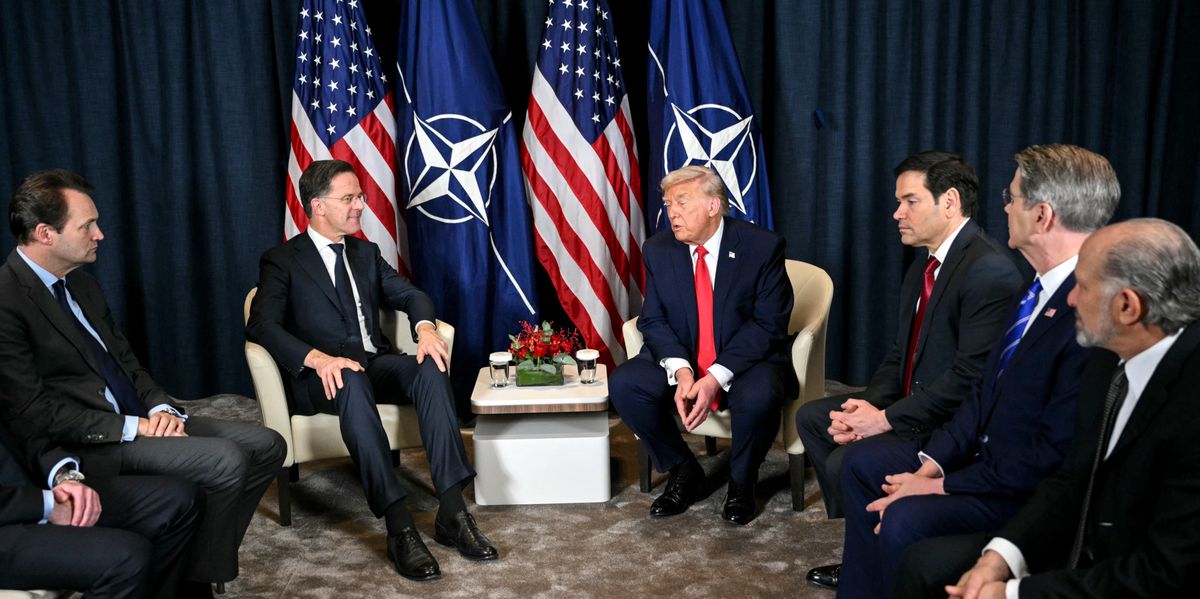
Trump Threatens NATO Reprisals Following Tense Meeting Over Iran Conflict
Tensions between the United States and its Atlantic allies reached a boiling point on Wednesday, April 8, 2026, as President Donald Trump expressed deep frustration with NATO over what he characterized as a failure to support U.S. Efforts in the conflict with Iran.
During a closed-door meeting at the White House with NATO Secretary-General Mark Rutte, the U.S. President reportedly unloaded a series of grievances, signaling that he is considering reprisals against allies who refused to back the U.S.-Israeli operation against Tehran. The friction centers on the reluctance of nations such as France and Spain to participate in the conflict, which has recently reached a fragile ceasefire.
The encounter, described by some as a “life-support mission” for the alliance, saw President Trump repeatedly threaten to withdraw from NATO. According to European officials briefed on the talks, the meeting devolved into a “tirade of insults,” with one official stating, “It went shit.”
While the White House maintains that the president made no formal demands of the alliance, sources close to the matter suggest Trump is seeking concrete action from allies to help reopen the Strait of Hormuz as quickly as possible. This development underscores the critical intersection of military alliance obligations and global energy security, as the Strait remains a vital maritime chokepoint.
A White House official defended the president’s stance, asserting that NATO had been “tested, and they failed.” The official added that the president currently has “zero expectations” for the alliance, noting that European nations benefit from the openness of the Strait of Hormuz far more than the United States does.
The escalating rhetoric and the threat of potential sanctions against “disappointing” allies could significantly influence future diplomatic stability and the cohesion of the North Atlantic pact. As the U.S. Considers options for reprisals, the alliance finds itself under maximum pressure to align with American strategic demands in the Middle East.
