
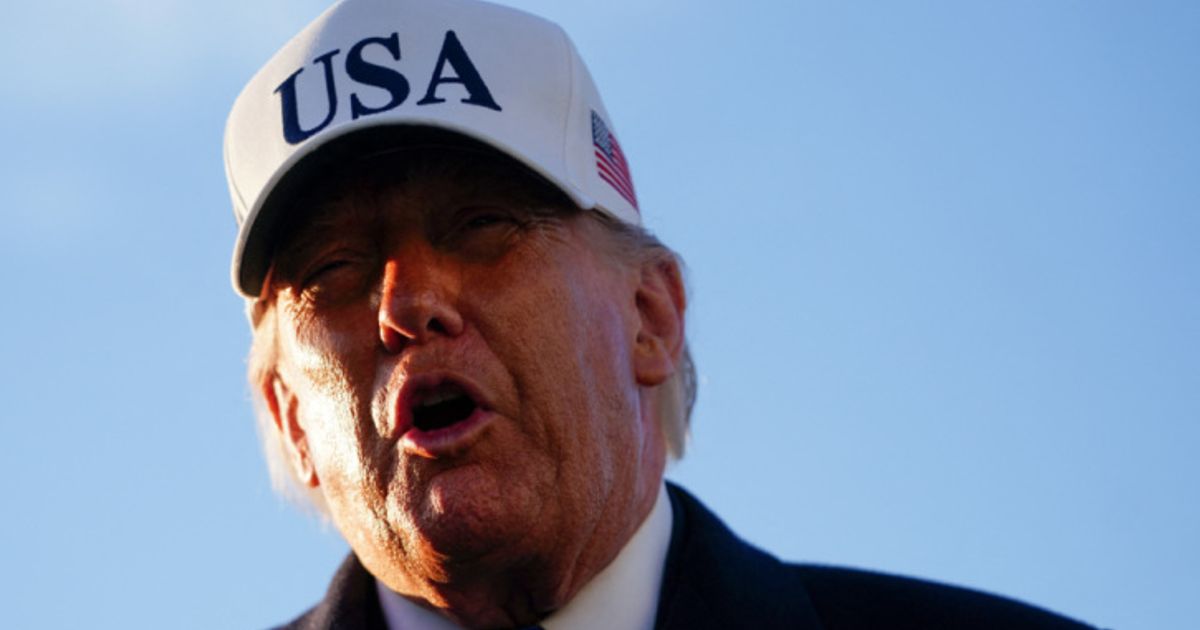
President Donald Trump has warned NATO that the alliance faces a “very bad future” if its members do not increase support for U.S. Efforts in the ongoing conflict with Iran. The warning comes as disruptions to the vital Strait of Hormuz raise concerns about global energy supplies and regional stability.
Speaking in an interview with the Financial Times, Trump stated he needs “whatever it takes” to secure the opening of the crucial waterway. The U.S. President also indicated he is considering postponing a planned summit with Chinese President Xi Jinping in an effort to gain Beijing’s assistance in ensuring safe passage through the Strait, according to reports.
Meanwhile, the European Union is unlikely to extend its naval mission, “Aspides,” to directly address the blockage of the Strait of Hormuz, despite plans to bolster the mission with additional ships. A senior EU representative, speaking on condition of anonymity ahead of a meeting of EU foreign ministers on Monday, March 16, 2026, said that protecting vessels in the strait “is a decision the ministers will not take lightly.”
Any change to the mandate of “Aspides,” which was launched in 2024 to protect ships in the Red Sea from attacks by Houthi rebels in Yemen, would require unanimous approval from all 27 EU member states. The EU representative indicated that discussions on Monday will focus on persuading additional member states to contribute more resources to the mission.
Trump’s comments to the Financial Times also revealed his desire to pressure China to help resolve the situation. “I consider China should help too because China gets 90% of its oil from the Straits,” he said, adding that he would prefer to know Beijing’s position before traveling for the summit. “We may delay,” he stated when questioned about the potential visit. This development underscores the increasingly complex geopolitical dynamics surrounding the conflict and the potential for wider international involvement.
The warning from Washington follows reports that oil industry leaders from Exxon, Chevron, and ConocoPhillips have informed the White House that disruptions through the Strait of Hormuz will continue to negatively impact global energy markets, as reported by the Wall Street Journal. Over 400 million barrels of oil from the International Energy Agency’s emergency reserves are slated for release in an attempt to mitigate a surge in crude prices since the start of the conflict.
Iranian Foreign Minister Abbas Araghchi has denied claims that Iran requested negotiations or a ceasefire, stating the country will “fight as long as it takes.” This contradicts earlier statements by President Trump, who claimed Iran had sought a ceasefire but that the “terms aren’t good enough yet.” The conflicting accounts highlight the ongoing tensions and lack of clear communication between the two nations, as detailed in reports from The Independent and The Indian Express.
