
Seoul – A request from the United States for South Korea to deploy warships to the Strait of Hormuz has met with opposition from a prominent civic group, escalating tensions over potential military involvement in the region. The call for assistance comes amid heightened concerns about maritime security in the critical oil transit waterway.
Participatory Solidarity, a progressive South Korean organization, issued a statement on March 15, 2026, arguing that deploying naval forces would violate both the nation’s constitution and international law. The group contends that any South Korean participation in military action against Iran would be a direct contradiction of the country’s constitutional principles.
“Korean participation in military action against Iran is directly contrary to our constitution, which rejects aggressive warfare,” the organization stated. They further argued that such a move would also contravene the United Nations Charter, which strictly limits the use of force. Participatory Solidarity also asserted that the mutual defense treaty with the U.S. Does not obligate South Korea to support actions of aggression or occupation.
The organization expressed concern that involvement could provoke retaliatory attacks from Iran targeting South Korean interests. They emphasized that South Korea’s military resources should be prioritized for maintaining peace on the Korean Peninsula.
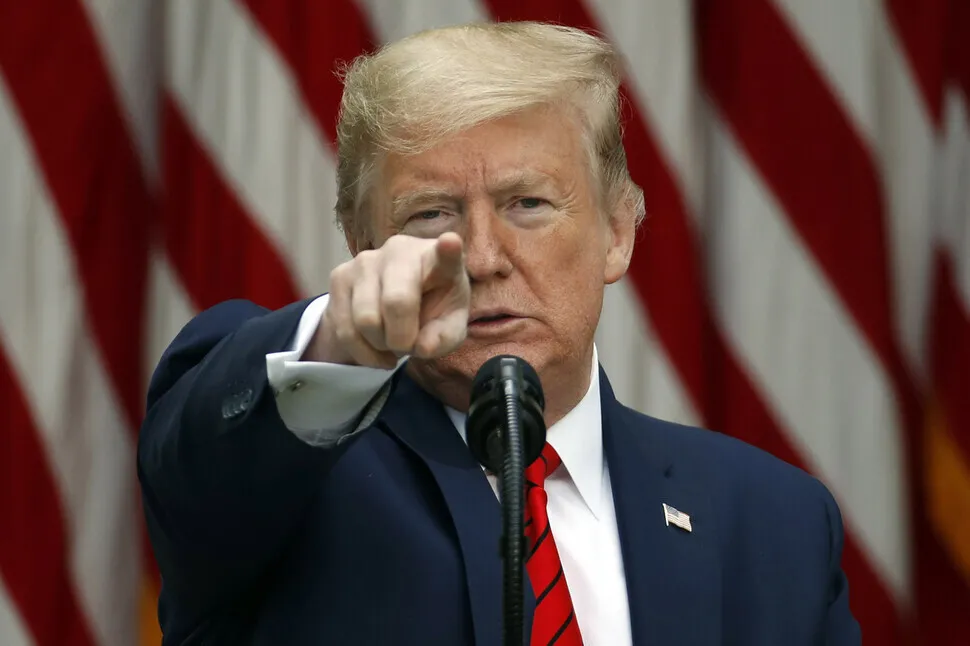
The request from U.S. President Donald Trump follows recent incidents in the Strait of Hormuz, including the reported targeting of several merchant vessels. The U.S. Has been seeking to build a coalition of nations to ensure the safe passage of ships through the vital waterway, which is crucial for global oil supplies.
China has also responded to the U.S. Request, urging all parties to de-escalate tensions and cease what it termed “hostile actions.” According to reports, Beijing called for an end to any behavior that could further destabilize the region.
Japan is also grappling with the implications of the U.S. Request, particularly in light of upcoming talks between U.S. And Japanese leaders. The development underscores growing regional complexities as nations weigh their responses to the situation in the Strait of Hormuz.
