

US, Iran, and Israel Enter Fragile Two-Week Ceasefire as Diplomacy Shifts to Islamabad
A high-stakes diplomatic effort is underway in Pakistan today, April 10, 2026, as delegations from the United States and Iran gather in Islamabad for talks aimed at stabilizing a volatile Middle East. The meeting follows a two-week ceasefire announced by U.S. President Donald Trump on the night of Tuesday, April 7, 2026, ending direct hostilities between the U.S., Israel, and Iran.
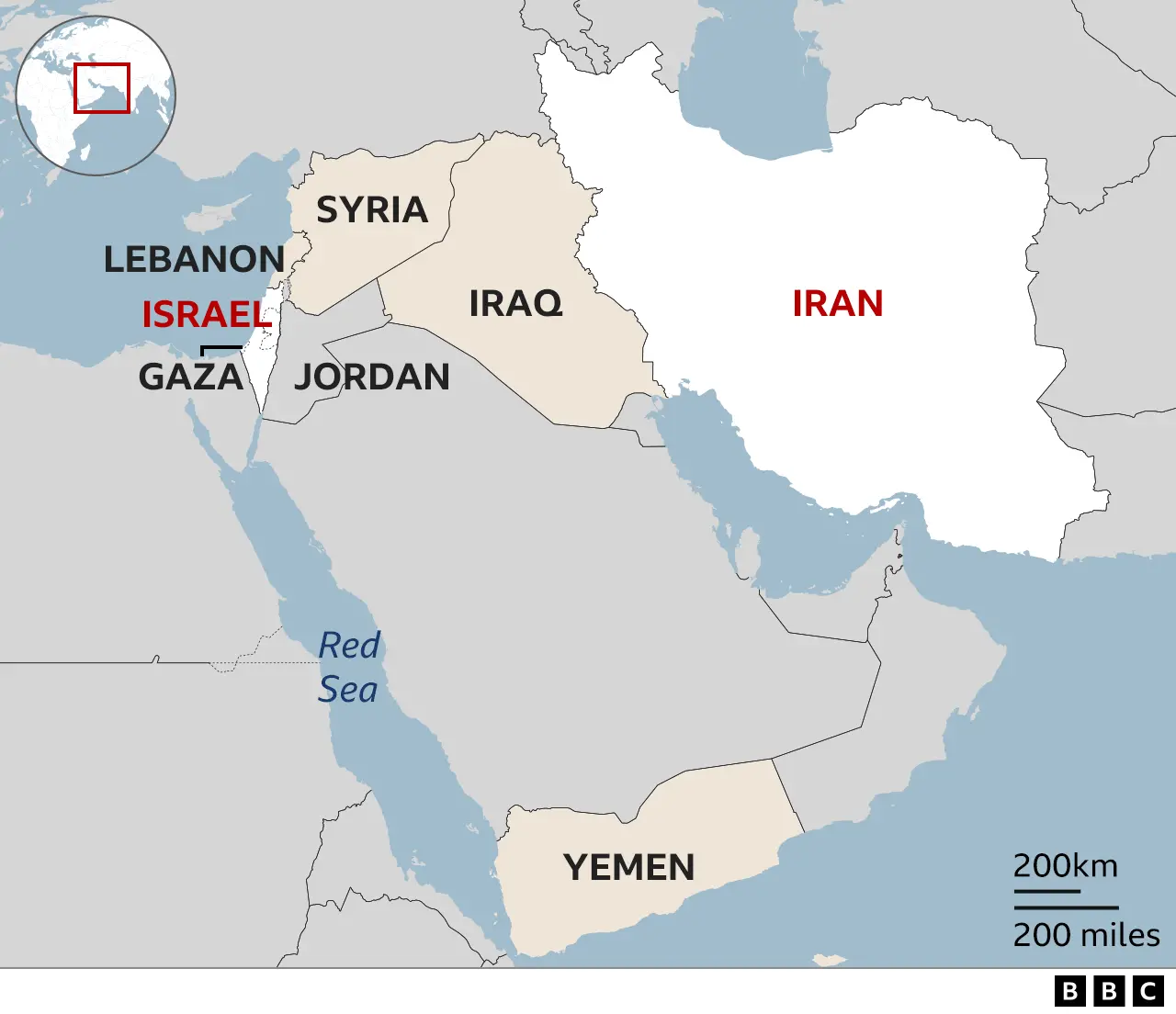
The truce, brokered by Pakistan, centers on the critical reopening of the Strait of Hormuz. President Trump stipulated that the deal was contingent upon the “COMPLETE, IMMEDIATE, and SAFE OPENING” of the waterway, a move designed to restore global maritime traffic. Whereas Iran’s foreign minister confirmed that its military will coordinate the passage of vessels during this period, Mark Rutte has also been making diplomatic calls to ensure the security of the strait. The stability of this corridor is vital for global energy supplies, and any prolonged closure would have severe implications for international trade.
President Trump signaled a shift toward economic engagement, stating on Truth Social that “big money will be made” and that Iran could begin its reconstruction process, with the U.S. Providing supplies. This economic pivot included demands that Iran stop the imposition of tariffs.
However, the ceasefire remains fraught with tension, particularly regarding Lebanon. While Pakistani mediators announced that Israeli strikes on Hezbollah would cease, Prime Minister Benjamin Netanyahu’s office clarified that Israel does not view the truce as extending to its operations in Lebanon. This contradicts indications from President Trump that Israel is scaling back attacks in Lebanon, as well as reports that the U.S. President urged Israel to de-escalate.
Inside Israel, the ceasefire has sparked a political firestorm. Prime Minister Netanyahu publicly supported the U.S. Decision, claiming that Iran no longer poses a nuclear or terror threat to Israel, the U.S., or the world. Yet, opposition leader Yair Lapid condemned the move as one of the “greatest political disasters” in the nation’s history. The internal friction is compounded by reports that Israel’s defensive missile stocks have been depleted, leaving the government vulnerable to criticism as its arch-nemesis remains standing.
The outcome of today’s talks in Islamabad is expected to be a turning point for regional security and internal Israeli politics, as many believe Netanyahu’s political future is at stake during the meeting. The development underscores the precarious nature of the current peace, as missile attacks were reported across Israel and the Gulf region shortly after the ceasefire was first announced on April 7.
