
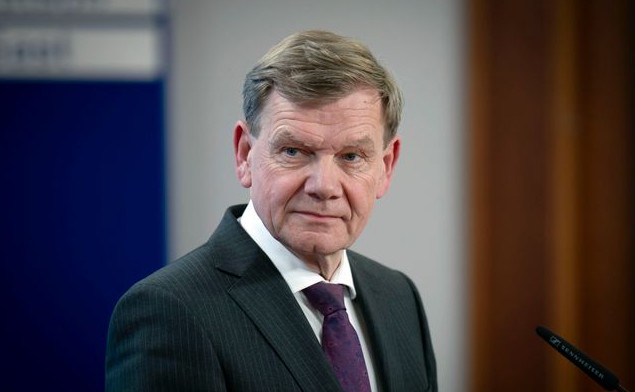
Reports of a potential, 28-point peace plan for Ukraine- reportedly developed by the Trump campaign with input from Russian officials-are raising questions about clarity in U.S. foreign policy. German Foreign Minister Johann Wadepuhl revealed that Berlin was not informed of discussions surrounding the plan, which reportedly includes ceding territory to Russia and limiting Ukraine’s military capabilities[[1]].The emergence of this framework, detailed in U.S. news outlets on November 19, coincides with stalled diplomatic efforts and underscores the complexities of finding a resolution to the ongoing conflict[[2]].
Germany was unaware of a new, 28-point “peace plan” reportedly being developed by the Trump campaign in consultation with Russian officials, according to German Foreign Minister Johann Wadepuhl.
The revelation comes as scrutiny intensifies over potential backchannel negotiations regarding the ongoing conflict in Ukraine. Speaking to reporters in Berlin, Wadepuhl stated that German authorities had not been informed of any discussions between the U.S. and Russia aimed at crafting a new framework for peace.
“Germany was not informed about the document of 28 points, which is being written about in American media,” Wadepuhl said. The lack of transparency raises questions about the Biden administration’s communication with key allies regarding potential shifts in U.S. policy toward Ukraine.
Despite the reported plan, Germany remains committed to supporting Ukraine, Wadepuhl affirmed. He indicated that continued aid is intended to encourage Russia to engage in serious negotiations.
Reports of the 28-point plan first surfaced on November 19 in several U.S. news outlets, detailing a potential framework allegedly developed with input from Russian counterparts. The plan reportedly includes ceding all of the Donbas region to Russia, as well as limitations on Ukraine’s military capabilities, a halving of its armed forces, and granting Russian language official status.
Sources also suggest that Qatar and Turkey were involved in the development of the document. The emergence of this plan underscores the complex diplomatic landscape surrounding the conflict.
According to reports, a planned meeting between Ukrainian President Volodymyr Zelenskyy and U.S. envoy Kurt Volker in Turkey was reportedly derailed on November 19 because Zelenskyy presented an alternative plan that Russia would likely reject. The failed meeting highlights the significant differences in proposed solutions to the conflict.
Подписывайся на “Европейскую правду”!
