
Home » Latest News » World » UAE Denies Striking Iran Desalination Plant | Iran-Israel Conflict

UAE Denies Striking Iran Desalination Plant | Iran-Israel Conflict

by John Smith - World Editor
0 comments

Live

UAE denies Israeli reports of strike on Iranian desalination plant

UAE: We did not strike desalination plant in Iran

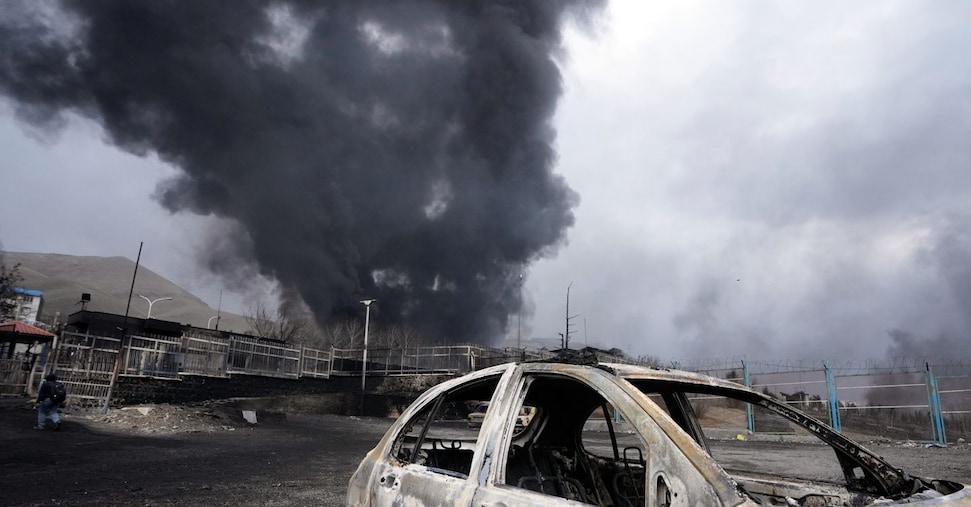
The United Arab Emirates has denied reports from Israel alleging it targeted a desalination plant in Iran. The country’s Ministry of Foreign Affairs stated, according to Anadolu, that it is acting in “self-defense” against “Iranian aggression” and does not seek escalation, but reserves the “full right” to guarantee its own security. “The UAE affirms that it is in a defensive position in response to the brutal and unjustified Iranian aggression,” also stating “it does not desire to be involved in conflicts or escalations.” This followed reports in Israeli media of a strike against Iran, which a senior Emirati official already dismissed as “fake news.”

Iran, Tajani: Decreased requests from at-risk areas, emergency nearly over

Foreign Minister Antonio Tajani provided an update on the situation regarding return requests from Italian citizens in at-risk areas. “The number of requests has decreased drastically. Tourists have largely departed,” he said at a press briefing at the Foreign Ministry. “The emergency is not over, but it is certainly coming to a conclusion.” “The situation in the Maldives remains open, where many people are still waiting, but flights are increasing and we are doing everything possible to bring them home,” the Deputy Prime Minister continued. “We will continue to assist residents who are in danger to facilitate their departure. But I don’t believe there is a demand to organize further charter flights, only to accompany them on the regular flights that are departing from those countries.”

For more information: Iran, Tajani: «More than 20,000 Italians repatriated»

Saudi Arabia maximizes Red Sea oil terminals

Saudi Arabia is maximizing operations at its Red Sea terminals in response to potential closures of the Strait of Hormuz. In the first days of March, according to data collected by Bloomberg, eight supertankers, each with a capacity of 2 million barrels, docked and loaded at the ports of Yanbu and Al Muajjiz. Maintaining a rate of approximately 2.3 million barrels per day would represent a 50% increase over normal operations. Bloomberg reports this presents a technical challenge for ports that have never operated at these levels. Most buyers of Saudi oil are located in Asia, which would require ships to take the southern route, exposing them to attacks by Iranian-backed Yemeni militias.

The escalating tensions in the Middle East have prompted a series of reciprocal actions, raising concerns about a wider regional conflict. The UAE’s denial of striking Iran comes amid conflicting reports and heightened military activity in the area.

You may also like

Leave a Comment

This site uses Akismet to reduce spam. Learn how your comment data is processed.

This website uses cookies to improve your experience. We'll assume you're ok with this, but you can opt-out if you wish. Accept Read More

Privacy & Cookies Policy