
Ultrasound Technology Transforming Hemorrhoid Treatment: A Shift Toward Minimally Invasive Care
Medical approaches to treating hemorrhoids are increasingly shifting toward minimally invasive techniques to reduce patient anxiety regarding postoperative pain and recovery times. According to Dr. Hong Ji-xiang of the Colorectal Surgery Department at National Taiwan University Hospital, the focus of treatment is primarily on improving the patient’s overall quality of life.
One of the notable advancements in this trend is the utilize of “Doppler ultrasound-guided hemorrhoidal artery ligation and anal mucosal repair.” This procedure represents a move toward micro-innovation in surgical care, offering a more precise approach to managing the condition.
Understanding the physiological cause of hemorrhoids is essential for determining the right treatment. Dr. Hong explains that hemorrhoid tissues naturally exist within the anus, where they serve a critical function by filling gaps during sphincter contraction to support maintain bowel control. Problems arise when these structures develop into unstable.
The Divergent Causes of Hemorrhoids: Age vs. Lifestyle
The drivers behind hemorrhoid development often differ significantly between age groups. In older adults, the condition is typically a result of the natural degeneration of connective tissues. As these tissues weaken with age, the structures that normally secure the hemorrhoids in place become loose and may slip outward, leading to symptoms such as swelling, pain, and bleeding.
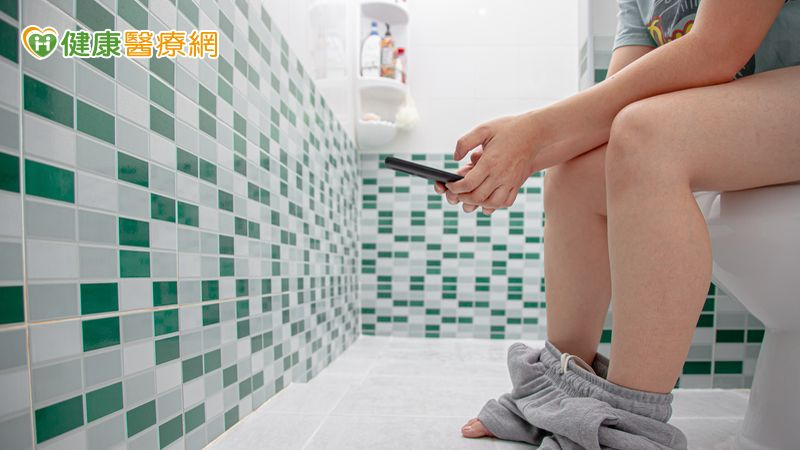
Conversely, in younger populations, the issue is more closely tied to modern lifestyle habits. Dr. Hong notes that chronic constipation—which leads to excessive straining during bowel movements—and spending prolonged periods on the toilet can damage anal connective tissues through repeated pulling and stress. This includes the habit of using smartphones although in the restroom, which extends sitting time and increases risk.
Certain professions and physiological states also increase vulnerability. Those who spend long hours sitting or standing, such as office workers, teachers, and professional drivers, are considered high-risk groups. Pregnant women are more susceptible due to increased intra-abdominal pressure, which can hinder venous return.
Grading Hemorrhoids and Treatment Options
To determine the appropriate intervention, clinicians categorize hemorrhoids into four stages based on the degree of prolapse:
- Grade 1: No prolapse occurs.
- Grade 2: Tissues prolapse during bowel movements but retract spontaneously.
- Grade 3: Tissues prolapse and must be manually pushed back into place.
- Grade 4: Tissues remain prolapsed and cannot be pushed back.
For those in the earlier stages (Grades 1 and 2), “self-help” methods and medication are often effective. Strategies such as warm sitz baths and levator ani exercises are recommended to promote local blood circulation and increase venous return, which helps alleviate swelling and discomfort.
As the condition progresses to Grade 3 or 4, the need for professional medical intervention increases. The evolution toward ultrasound-guided and minimally invasive surgeries underscores a broader public health effort to make necessary medical procedures less daunting and more accessible for patients prioritizing a quick return to daily activities.
