
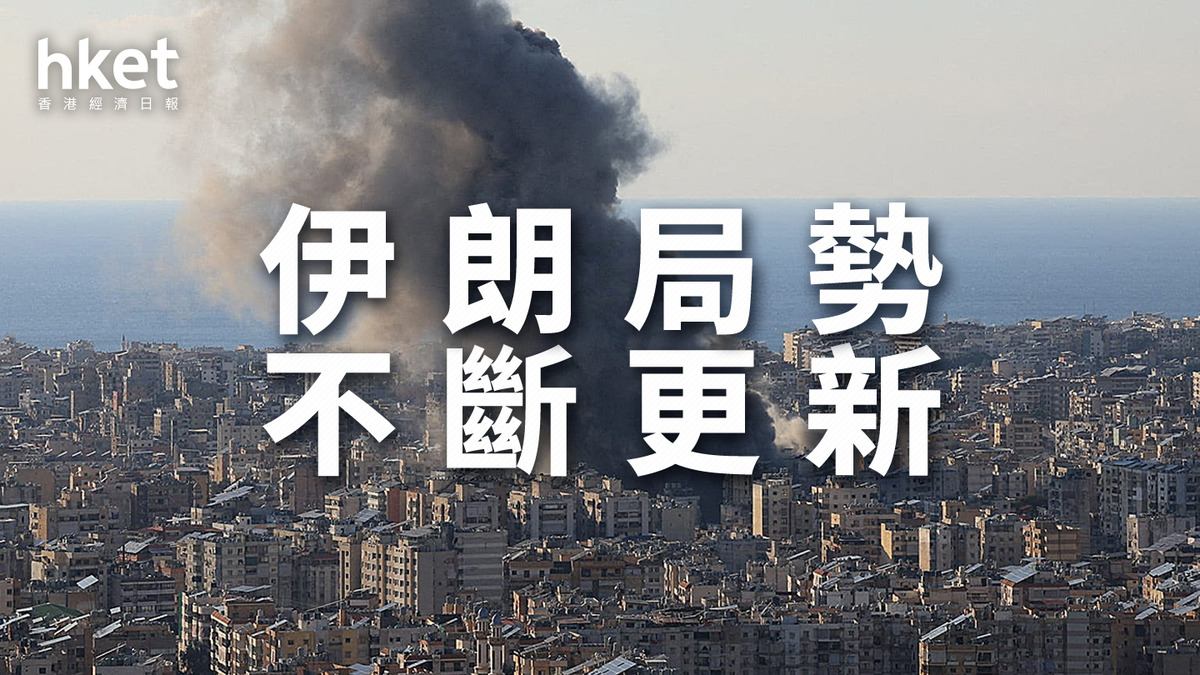
A fragile two-week ceasefire has been established between the United States, Israel, and Iran, halting a military campaign that had entered its 39th day. The agreement, reached just moments before a critical deadline set by U.S. President Donald Trump, aims to prevent a total escalation of the conflict and stabilize global energy markets.
Diplomatic Breakthrough and the Strait of Hormuz
The ceasefire comes after President Trump issued a stark ultimatum, threatening that “an entire civilization will perish tonight” if Iran did not reopen the Strait of Hormuz. According to reports from April 8, 2026, the deal was finalized less than an hour before the deadline expired. In response, Tehran has agreed to temporarily reopen the strategic waterway, which is vital for global oil and gas supplies.

The White House confirmed that Israel has also agreed to the cessation of hostilities. The breakthrough follows diplomatic interventions by Pakistani leadership, with all parties scheduled to start formal negotiations in Pakistan on April 10. This development underscores the precarious nature of regional diplomacy, where the threat of total destruction is used as leverage to bring adversaries to the bargaining table.
Recent Military Escalations
Despite the ceasefire, the days leading up to the agreement were marked by intense violence. U.S. And Israeli forces targeted Kharg Island, a critical Iranian petroleum export hub. The Iranian Mehr News Agency reported multiple explosions on the island, while U.S. Officials confirmed strikes on military targets in the coastal waters of western Iran.
In Tehran, an airstrike targeting a high-ranking Iranian commander resulted in “collateral damage” to the Rafi-Nia Synagogue. The Israeli military expressed regret over the destruction of the house of worship, which Iranian media reported as being completely destroyed. Meanwhile, the Kataeb Hezbollah militia announced the release of Shelly Kittelson, an American journalist who had been abducted in Baghdad a week prior.
Strategic Analysis and Regional Impact
The conflict, which began on February 28, 2026, has seen significant shifts in Iranian leadership. Following the assassination of Supreme Leader Ali Khamenei and other high-ranking officials by U.S.-Israeli forces, Mujtaba Khamenei assumed the role of Supreme Leader on March 8.
Strategic analysts have questioned the U.S. Approach to the crisis. Lyle Goldstein, a scholar at Brown University’s Watson Institute and director of Asian Affairs at the “Defense Priorities” think tank, suggested that the U.S. Leadership ignored obvious warnings regarding Iran’s ability to block the Strait of Hormuz. Goldstein attributed this “arrogance” to previous successes, including the 2025 “Operation Midnight Hammer” against Iranian nuclear facilities and military actions in Venezuela. He has urged U.S. Leaders to avoid deploying ground troops to prevent falling into a strategic quagmire.
The broader regional instability has seen the “Axis of Resistance” launch counterattacks against Israel, and U.S. Allies, while European nations—including the UK, France, Italy, Spain, and Greece—have deployed reinforcements to Cyprus. The economic fallout from the partial blockade of the Strait of Hormuz has triggered a global fuel crisis and widespread economic volatility, highlighting how localized conflict in West Asia can have immediate global consequences.
