
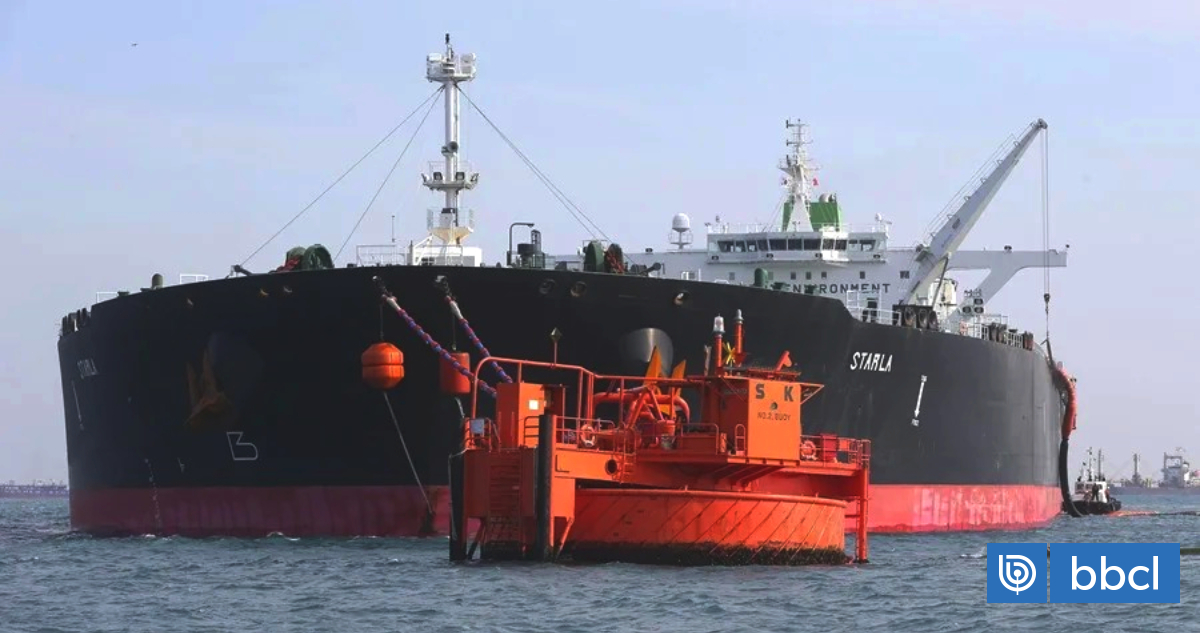
The U.S. Treasury Department on Friday authorized the temporary purchase and sale of Iranian oil currently stranded at sea, a new move by the Trump administration aimed at curbing rising gasoline prices amid ongoing conflict with the Islamic Republic and the continued closure of the Strait of Hormuz.
Treasury Secretary Scott Bessent announced the decision, estimating it will add approximately 140 million barrels to the global oil market.
Bessent explained in a post on X that the authorization applies to oil loaded onto ships starting Friday and extends through April 19.
“Iran will have difficulty accessing the revenue generated,” the Treasury Secretary said, “and the United States will continue to exert maximum pressure on its ability to access the international financial system.”
U.S. Takes Steps to Ease Oil Prices
The move builds on the Trump administration’s earlier decision to lift sanctions on Russian oil, also stranded at sea, for a period of 60 days, a change announced last week. The administration is responding to global market pressures stemming from the conflict with Iran and disruptions to key shipping lanes.
Since the start of the war with Iran and the closure of the Strait of Hormuz, the United States has been compelled to ease sanctions and implement containment measures to strive to prevent a sharp increase in gasoline prices. The situation underscores the interconnectedness of global energy markets and geopolitical stability.
This week, President Trump also modified the Jones Act to allow vessels not of U.S. Origin to transport crude oil within American ports.
According to the American Automobile Association (AAA), the average price of a gallon of gasoline was between $3.80 and $4.20 on Friday.
Oil prices rose nearly 3% as the U.S. Pursued efforts to reopen the strait. Brent crude reached approximately $112 a barrel, representing an increase of more than 50% since the war began. Simultaneously, the S&P 500 index experienced a decline of around 1.5%.
