
Fuente de la imagen, Getty Images
-
- Autor, Atahualpa Amerise
- Título del autor, Redacción
-
Tiempo de lectura: 4 min
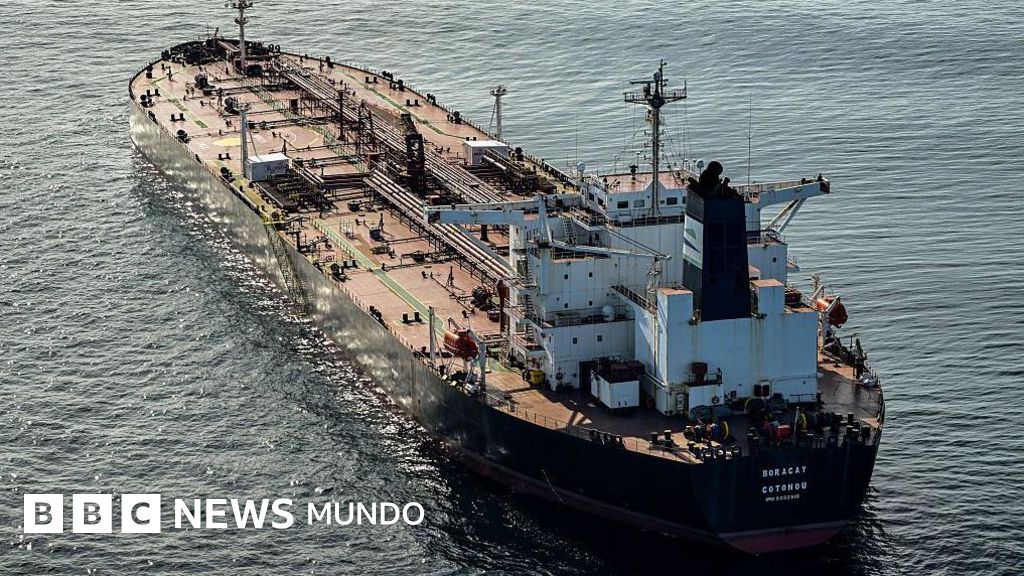
The United States has authorized the temporary purchase of sanctioned Russian oil currently loaded on tankers at sea.
The decision, announced Monday, is intended to “promote stability in global energy markets” amid the ongoing conflict in Iran, according to Secretary of the Treasury Scott Bessent. The authorization is valid until April 11.
“This limited, short-term measure applies only to oil already in transit and will not provide any significant financial benefit to the Russian government,” Bessent stated.
Oil prices climbed above $100 a barrel on Thursday, and global stock markets fell following further attacks on cargo ships in the Gulf of Persia. The situation highlights the fragility of global supply chains and the potential for disruption in key energy corridors.
Adding to the tensions, the new supreme leader of Iran, Mojtaba Jamenei, said in his first public message that his country would continue to block the Strait of Hormuz, a vital maritime route through which approximately one-fifth of the world’s oil supply typically passes.
Jamenei as well vowed to “avenge the blood” of Iranians killed in attacks by the U.S. And Israel.
“The temporary increase in oil prices is a short-term disruption that will result in a massive benefit to our nation and our economy in the long term,” Scott Bessent said Thursday while announcing the temporary permission to purchase Russian oil.
Previously, Bessent had stated that the U.S. Government would commence escorting ships through the Strait of Hormuz “as soon as militarily feasible.”
The potential need for a military escort “was always in our plans,” the official told Sky News.
When asked if this could begin in the coming days, Bessent responded: “As soon as we can guarantee safe passage, we will.”
The Largest Oil Release in History
Fuente de la imagen, Getty Images
This development comes a day after the International Energy Agency (IEA) announced it would release 400 million barrels of oil to compensate for supply losses caused by the de facto closure of the Strait of Hormuz.
The organization’s executive director, Fatih Birol, indicated that the 32 member countries unanimously voted in favor of the largest release of oil reserves in the IEA’s history.
The IEA is an international body that coordinates energy policies and strategic oil reserves of industrialized countries, primarily advanced economies in Europe, North America, and Asia-Pacific.
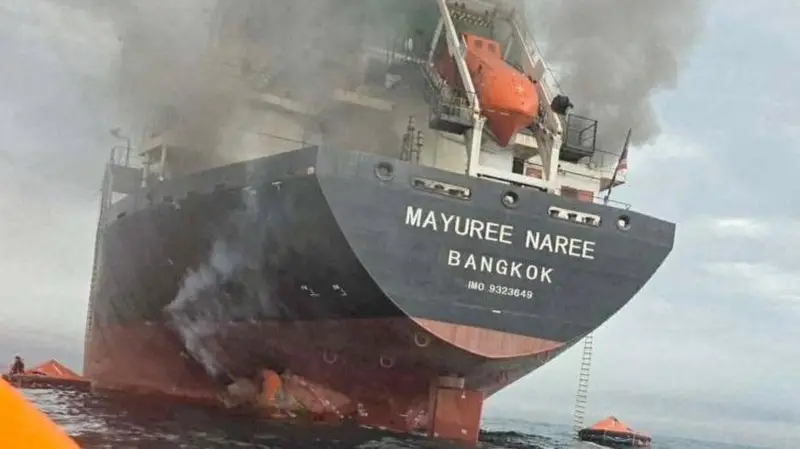
The announcement followed several days of disruption in the Strait of Hormuz, where projectiles struck three cargo ships in a series of attacks, at least one of which was claimed by Tehran. Simultaneously, Iraq reported that two foreign oil tankers were attacked in one of its ports.
Hours after the IEA announcement, the U.S. Government said it would release 172 million barrels of oil from its emergency reserves as part of a coordinated international effort to lower global energy prices.
Deliveries from the U.S. Strategic Petroleum Reserve are expected to begin next week and take around 120 days.

Subscribe here to our new newsletter to receive a selection of our best content each Friday.
And remember you can receive notifications in our app. Download the latest version and activate them.
