
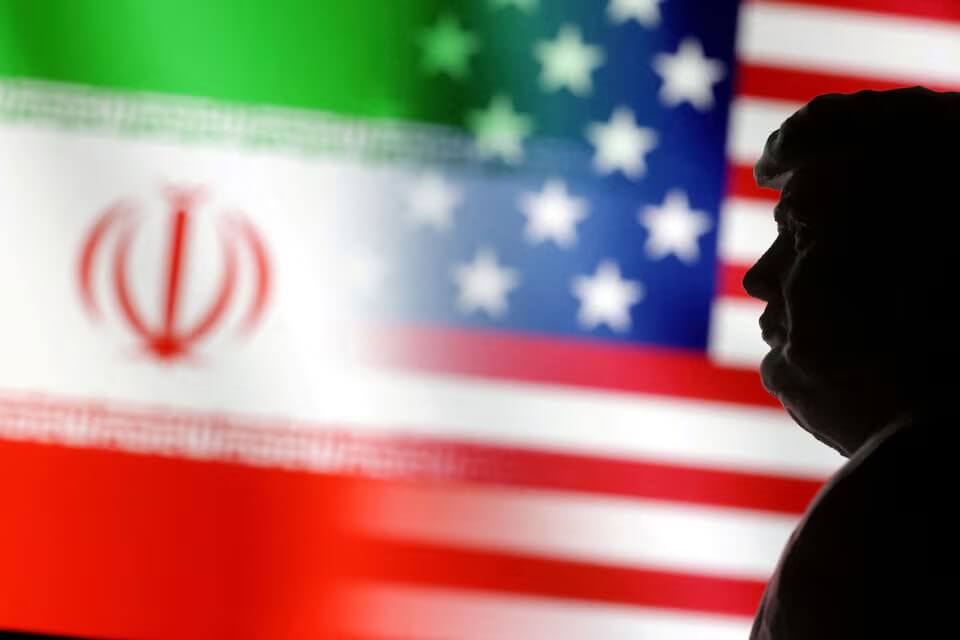
US and Iran Secure Two-Week Ceasefire Just Before Trump’s Deadline
A catastrophic escalation in the Middle East was narrowly avoided on April 8, 2026, as the United States and Iran reached a two-week ceasefire agreement just minutes before a critical deadline. The deal comes after nearly 40 days of conflict, with both nations claiming victory in the confrontation.
The agreement was finalized less than one hour before the deadline set by President Donald Trump, who had demanded the reopening of the Strait of Hormuz by 8:00 p.m. ET on April 7 (8:00 a.m. Taipei time, April 8). Failure to comply would have triggered what Trump described as “unprecedented” bombing campaigns targeting Iranian energy and military infrastructure.
Diplomatic breakthroughs were facilitated by Pakistan, which acted as a mediator between the two powers. Pakistani Prime Minister Sharif utilized social media to appeal for a two-week extension of the deadline, urging Iran to open the Strait of Hormuz as a gesture of goodwill and calling on all combatants to observe a ceasefire to pursue a diplomatic conclude to the war.
Under the terms of the temporary truce, President Trump agreed to suspend attacks on Iran on the condition that the Strait of Hormuz be “completely, immediately, and safely” opened. Trump stated that he has received a 10-point proposal from Tehran, which he believes provides a “viable basis” for further negotiations. He further claimed that the majority of previous disagreements between the two nations have now reached a consensus, suggesting the two-week window could lead to a finalized, formal agreement.
However, Tehran’s interpretation of the agreement contains critical caveats. Iranian officials stated that while the Strait of Hormuz can be safely navigated within the next two weeks, such passage “must be coordinated with Iranian armed forces” and will be subject to “technical limitations.”
The resolution follows a period of extreme volatility. On April 6, President Trump issued a stark warning, suggesting that April 10 would turn into a combined “energy day and military facilities day” for Iran if no deal was reached, threatening to leave Iranian civilization “destroyed overnight.”
Iran had responded with equal defiance. Iranian Speaker Mohammad Kalibaf rejected any compromise on April 6, asserting that Trump’s negotiation tactics were dragging the United States into a “bottomless abyss” of Middle Eastern conflict. Reports indicate that Iran’s Islamic Revolutionary Guard Corps (IRGC) had completed preparations for a “Persian Gulf counterattack,” relying on its strategic resilience and the deployment of “Heibar Shekan” missiles to maintain leverage.
Despite the current truce, some observers remain skeptical of the long-term outcome. The New York Times suggested that the conflict might end without President Trump achieving many of his original objectives, noting that the U.S. May have made concessions before receiving a comprehensive response from the Iranian leadership.
This fragile ceasefire underscores the precarious nature of regional stability, where the flow of global energy supplies remains tethered to the volatile diplomatic relationship between Washington and Tehran. The coming fourteen days will determine whether this pause is a genuine path toward peace or merely a temporary reprieve before further escalation.
