
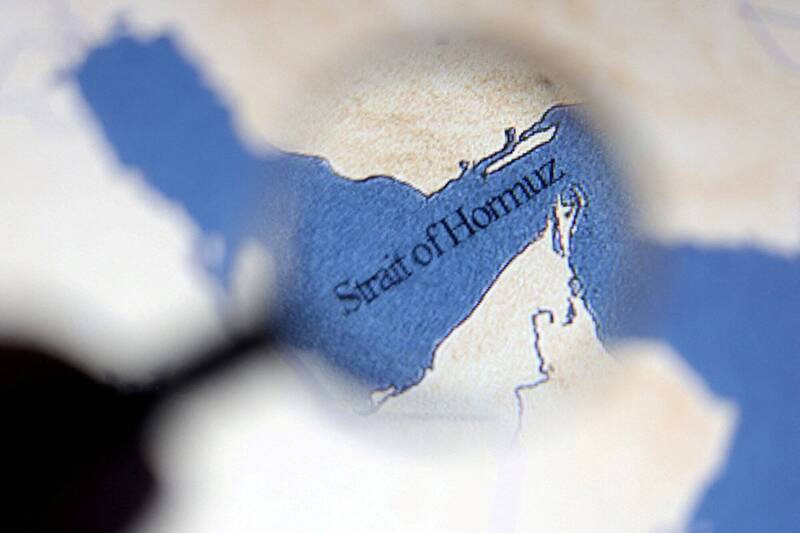
The critical maritime artery of the Strait of Hormuz remains a global flashpoint as military operations by the United States and Israel against Iran enter their second month, leaving international energy markets in a state of high volatility.
The conflict has triggered a near-total paralysis of commercial shipping in one of the world’s most vital oil chokepoints. Between March 1 and March 23, commercial traffic through the strait plummeted by approximately 95%, with only 144 vessels traversing the waterway. This is a drastic decline from the pre-conflict average of 138 ships per day. Of the few vessels that did pass, 91 were oil and gas tankers, many of which were forced to divert or utilize northern routes under the visual monitoring and permission of Iranian forces.
Diplomatic Friction and the Ceasefire Crisis
Efforts to stabilize the region have been fraught with contradiction and instability. While there were two-week ceasefire negotiations conducted under the pressure of a deadline set by President Donald Trump, the resulting peace proved fleeting. Reports indicate the closure of the Strait of Hormuz occurred just one day after a temporary truce, underscoring a profound lack of trust between the adversaries. Current reports suggest the ceasefire is on the verge of collapse, with Tehran accusing the U.S. Of violating three specific clauses of their agreement.
The narrative surrounding these negotiations remains contested. While some reports suggest Iran requested a ceasefire, critics and experts have characterized the move as a strategic retreat by the Trump administration following military setbacks.
Strategic Divergence in Washington
Internal U.S. Strategy appears split between immediate operational goals and long-term maritime security. President Trump has indicated to aides that he is willing to end military operations against Iran even if the Strait of Hormuz remains largely closed, suggesting that the complex task of reopening the waterway could be addressed at a later date. White House Press Secretary Karoline Leavitt noted that the President intends to call on Arab nations to cover the costs of the military campaign.
This stance contrasts with the position of Secretary of State Marco Rubio, who has asserted that the United States cannot allow Iran to maintain permanent control over the strait. Rubio emphasized that once military objectives are met, the waterway must be reopened, regardless of whether it is achieved through Iranian consent or other means.
Iran’s Leverage and Escalation
Tehran continues to apply its geographic position as a primary weapon. The Iranian parliament’s National Security Committee recently passed legislation that would allow the state to regulate and charge fees for all vessels passing through the Strait of Hormuz.
On the ground, tensions have escalated further following a missile attack on a refinery in Haifa, Israel. President Trump stated on March 30, 2026, that he would provide a “rapid response” to the strike. Meanwhile, Iranian President Masoud Pezeshkian has maintained that any decision to end the conflict must be predicated on the fulfillment of all previously stated conditions and the preservation of national security and dignity.
The diplomatic deadlock is further complicated by demands from Mohsen Rezaei, a military advisor to the Supreme Leader. On March 23, Rezaei proposed three conditions for a ceasefire, arguing that the current conflict is a continuation of a struggle dating back 47 years to the Islamic Revolution and requires a definitive resolution.
The ongoing instability in the region threatens to permanently restructure global energy supply chains, as LNG shipments originally destined for Europe have already begun diverting to Asian markets to capitalize on higher spot prices. This development underscores the fragile nature of global energy security when faced with prolonged conflict in the Persian Gulf.
