
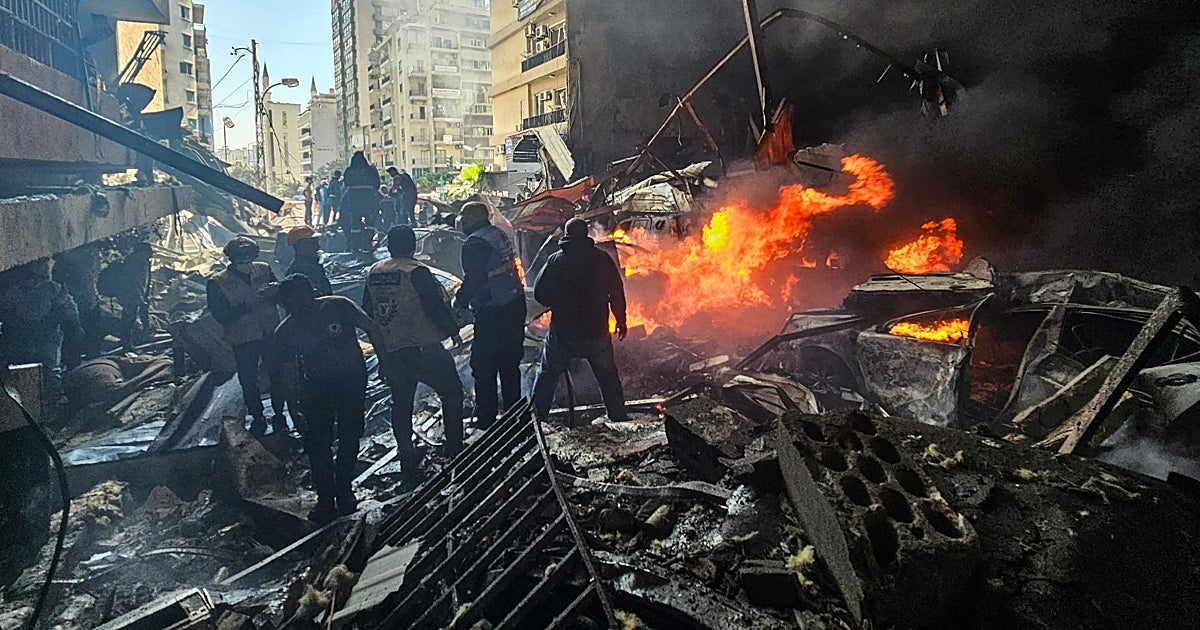
A precarious two-week ceasefire has taken hold in Iran, marking a tentative pause in a high-stakes military conflict involving the United States and Israel. The truce, which was established following intense diplomatic efforts, has been met with a complex mixture of public celebration and deep-seated skepticism within Iran, where many citizens feel the current peace is only temporary.
The diplomatic breakthrough was made possible through key mediation led by Pakistan, with a final push from China, to secure the fourteen-day window. Central to the agreement is an Iranian 10-point proposal that President Donald Trump has deemed “acceptable.”
The development underscores the growing regional tensions and the fragile nature of diplomacy in the Middle East, as both sides weigh the possibility of a permanent resolution against the risk of renewed hostilities.
This ceasefire follows a period of intense escalation that began on February 28, 2026, when the United States and Israel launched coordinated airstrikes against Iran. In the weeks that followed, the Trump administration maintained a hardline stance. During a televised address to the nation on April 2, 2026, President Trump claimed that the U.S. Had achieved “quick, decisive, and overwhelming victories” within the Persian nation.
Despite these claims of success, the April 2 address was marked by continued aggression; the President threatened to strike Iran “hard” over the following two to three weeks, suggesting he would push the country back to the “Stone Age.” At the time, the administration sought to quell domestic discontent regarding the war by insisting the conflict would end quickly and that gasoline prices would decrease as a result.
However, the transition to a ceasefire has led some observers to view the military campaign as a strategic failure for both Trump and Israeli Prime Minister Benjamin Netanyahu. Critics suggest that the fragile nature of the current truce exposes flaws in the initial military planning.
Reports indicate that while Netanyahu appeared to have a specific plan for the intervention, President Trump’s approach was driven more by instinct than by disciplined strategic planning. This lack of a cohesive long-term strategy has left the U.S. President facing a critical juncture: he must either secure a lasting agreement with Tehran or risk further escalating a war that has yet to yield a definitive conclusion.
As the two-week window progresses, live updates continue to monitor the situation, with the world watching to see if the truce will lead to a sustainable peace or serve as a prelude to further conflict.
For those inside Iran, the first days of the ceasefire have been a blur of relief and suspicion, reflecting a population that remains wary of the geopolitical forces shaping their future.
