
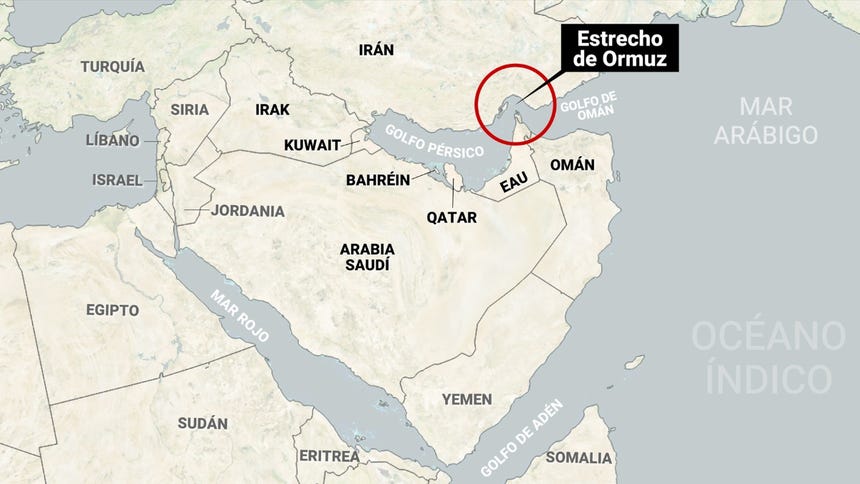
Stalemate in Islamabad: Iran Refuses to Reopen Strait of Hormuz Without ‘Reasonable’ US Deal
Diplomatic efforts to end the conflict between the United States, Israel, and Iran reached a deadlock on Sunday, April 12, 2026, after peace talks in Islamabad concluded without an agreement. Following 21 hours of negotiations, Iranian officials stated that the restrictive status of the Strait of Hormuz will remain unchanged unless the U.S. Accepts a “reasonable agreement.”
The failure of these talks underscores the fragility of regional stability, as one of the world’s most critical maritime chokepoints remains a primary lever in the geopolitical struggle.
The breakdown in communications was marked by the departure of JD Vance from Islamabad after Iran rejected the terms proposed by the United States. U.S. Officials indicated that they have delivered a “final offer” to Tehran, though the specific terms of this proposal were not disclosed. A source familiar with the proceedings told the Iranian agency Mehr that the parties failed to reach a consensus by the time the meetings ended on the morning of April 12, 2026.
The standoff over the Strait of Hormuz has had severe global economic repercussions. Since the onset of the war involving the U.S., Israel, and Iran, the waterway—vital for transporting crude oil from nations like Kuwait and Saudi Arabia—has been largely closed. This disruption has triggered a surge in global oil and gas prices, contributing to affordability crises in the United States.
While international tankers have remained stranded in the Persian Gulf, Iran has maintained strict control over the passage, allowing its own oil flows to continue while blocking others. President Donald Trump has called on the international community to assist in reopening the strait, noting “some positive responses” to his requests.
The situation is further complicated by a volatile security environment. The UK maritime agency has reported at least 14 attacks on vessels near the strait, describing the threat level as “critical,” while no new attacks were reported in the six days leading up to the most recent updates.
The tension peaked recently following a brief, failed attempt at a ceasefire. Less than 24 hours after the U.S. And Iran agreed to a two-week truce, Iranian state media reported the closure of the strait again on April 8, 2026. Tehran accused the U.S. And Israel of violating the agreement, specifically citing Israeli attacks in Lebanon. The Iranian Revolutionary Guard Corps (IRGC) threatened to resume armed combat, warning that any vessel attempting to cross the strait without permission “will be attacked and destroyed.”
This ongoing impasse suggests that the Strait of Hormuz will remain a focal point of contention, with the global energy market remaining vulnerable to the outcome of these stalled diplomatic maneuvers.
