
Jakarta, CNBC Indonesia – Escalating tensions between the United States and Iran have prompted President Donald Trump to seek assistance from allies in securing oil shipping lanes through the Strait of Hormuz, highlighting challenges to Washington’s strategy in the region. The situation raises concerns about potential disruptions to global energy supplies.
Trump has requested that countries including the United Kingdom, France, Japan, and China participate in escorting oil tankers. This call for support comes amid increased threats to commercial vessels in the Gulf region, following military actions by the U.S. And Israel targeting Iran.
Initial responses from allies have been muted, with Japan stating it has not yet received a formal request and China remaining silent on the matter.
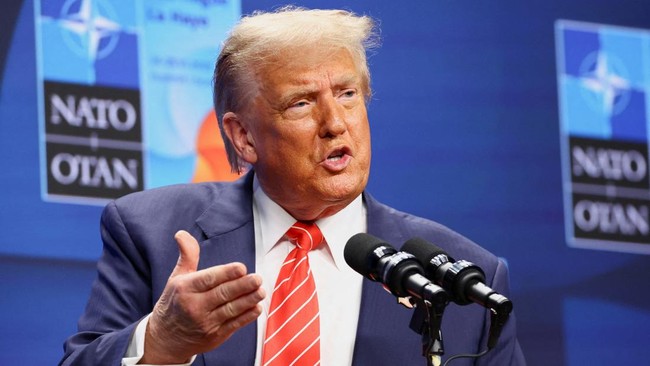
Simultaneously, Trump is pressing the NATO alliance to become involved. “Now we’ll see if they help us,” Trump said in an interview with the Financial Times.
He warned of a “very bad future” for NATO if its members do not contribute.
However, NATO’s geographic scope is limited to Europe and North America. The U.S. Has too previously encouraged European nations to prioritize defense within their own regions rather than conflicts in the Middle East.
European nations’ readiness remains limited. France has deployed eight warships to the eastern Mediterranean, but is hesitant to enter the Strait of Hormuz until the conflict de-escalates. The United Kingdom is also working to prepare its destroyers, including bringing HMS Dragon out of dry dock for immediate deployment.
Trump had previously urged the shipping industry to continue using the vital waterway, stating, “Present courage.” However, the U.S. Navy has not yet fully assumed a role in providing escorts.
“The U.S. Hasn’t done so because its Abraham Lincoln carrier strike group could be 200 km off Oman and strike Iran with little risk,” Matthew Savill of the Royal United Services Institute noted, according to the Guardian.
The White House is also seen as having underestimated Iran’s response. Despite limited conventional military options, Tehran is expected to target U.S. Bases, allied nations, and commercial vessels to pressure Western powers.
Iran’s Supreme Leader, Ali Khamenei, has reportedly prepared a multi-layered succession plan in anticipation of a prolonged conflict, signaling a willingness to confront a long-term escalation.
Over the past two weeks, the U.S. Has focused its attacks on Iranian naval targets and missile facilities. However, this strategy has not yet curbed asymmetric threats, particularly against civilian commercial ships. At least 16 vessels have been attacked, according to reports from Lloyd’s List, leading many tankers to avoid the Strait of Hormuz.
U.S. Energy Minister Chris Wright indicated that tanker escorts might be possible “by the end of this month” following additional military operations.
Iran possesses a range of small-scale attack options, including speedboats belonging to the Revolutionary Guard, aerial drones, and naval mines. Recent indications suggest the use of unmanned marine vessels, or drones, has proven particularly effective, allegedly used in an attack on a Thai-flagged tanker last week.
This situation reflects a lack of coordination and preparedness among allies in confronting the escalating conflict. Analysts believe that without a clear strategy, U.S. Actions risk expanding the conflict and increasing threats to global energy distribution routes.
Add as a preferred
source on Google (tfa/luc)
