
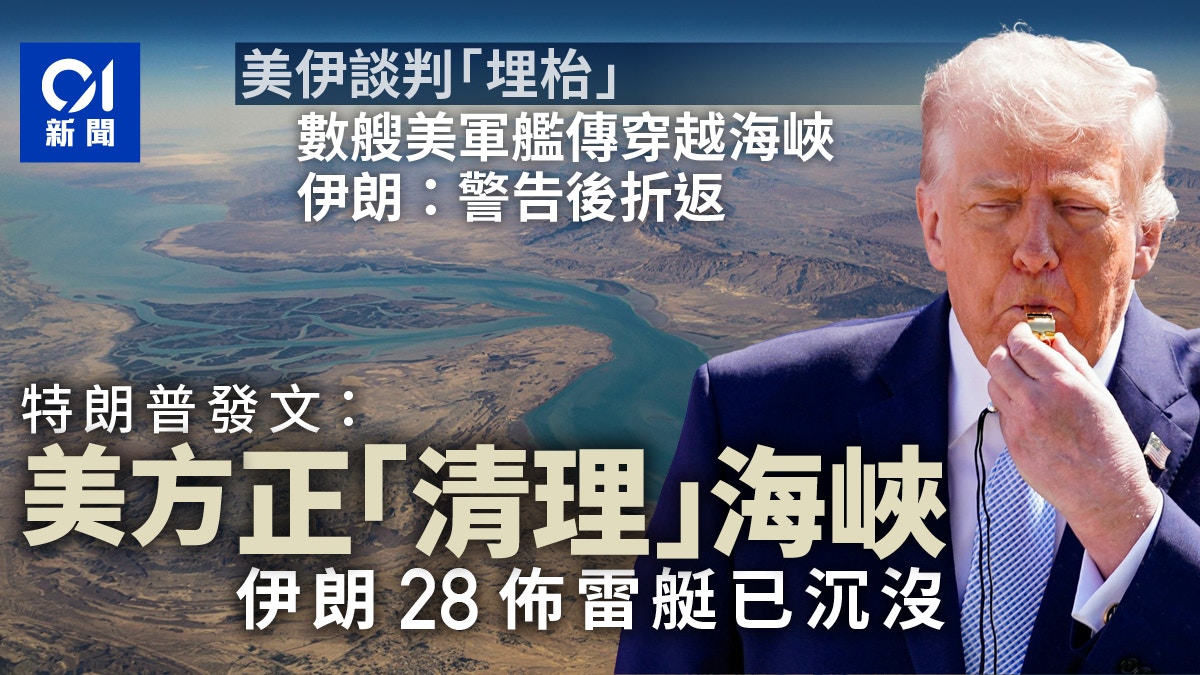
Tensions in the Middle East have escalated as U.S. President Donald Trump announced a campaign to “clear” the Strait of Hormuz, a critical maritime chokepoint for global energy supplies. The move comes amid a volatile period of conflict and fragile diplomatic efforts to stabilize the region’s oil flow.
Trump Targets Iranian Control of the Strait
On April 9, 2026, President Trump took to Truth Social in a series of three posts to blast Iran’s management of the Strait of Hormuz, describing their performance in allowing oil exports as “very poor” and “dishonorable.” The President specifically warned Tehran against charging transit fees for tankers passing through the waterway, stating, “If they are, they had better stop now!”
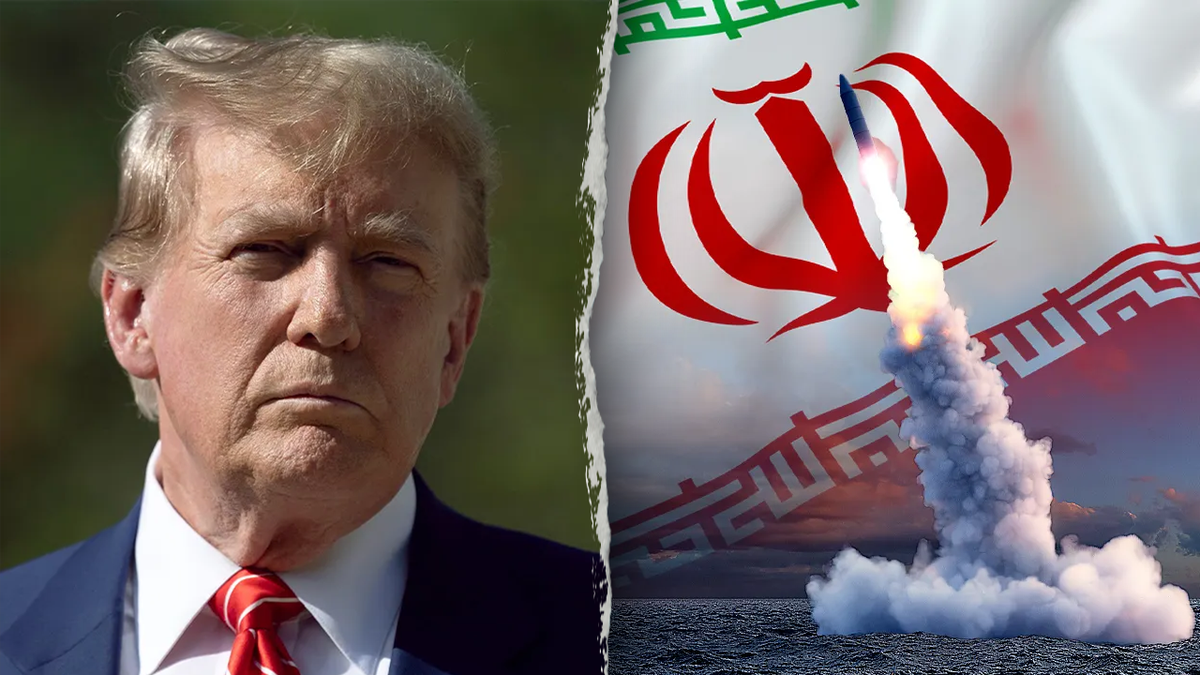
Trump further asserted that oil would soon begin flowing “whether or not Iran helps,” emphasizing that he has not declared victory prematurely. In a direct rebuttal to reports from the Wall Street Journal, Trump claimed, “In fact, this is a victory, and not a ‘premature’ one! Because of me, Iran will never have nuclear weapons.”
The dispute over transit fees highlights a major point of contention. While the U.S. Opposes any Iranian-led tolls, reports indicate that Iran’s Revolutionary Guard has tightened control over the strait. According to reports from April 2, 2026, Iran has limited passage to “friendly nations,” with some vessels required to pay transit fees in Chinese yuan or cryptocurrency through intermediaries linked to the Revolutionary Guard. These fees reportedly start at approximately $1 per barrel for tankers.
Military Friction and Diplomatic Maneuvers
The rhetoric is backed by military movement and a stark ultimatum. On April 5, 2026, following the rescue of a second crew member in distress, Trump pressured Iran to immediately open the strait, warning that U.S. Forces would take action by April 7 if the waterway remained obstructed.
Despite the aggressive posture, there are signs of behind-the-scenes diplomacy. Reports indicate that the U.S. And Iran have been engaged in negotiations coordinated by Pakistan. Yet, these talks are occurring alongside direct naval friction; while the U.S. Reported a warship passing through the strait, Iranian officials claimed the vessel was forced to turn back after receiving a warning.
Global Economic Stakes
The struggle for control over the Strait of Hormuz has profound implications for the global economy, as the waterway handles approximately 20% of the world’s liquefied natural gas (LNG) and roughly 20% to 25% of global seaborne oil trade. The instability has already sent shockwaves through energy markets, with Brent crude prices surging over 50% since the start of the U.S.-Israel-Iran conflict, peaking at $119 per barrel.
The crisis has led to a dramatic drop in shipping traffic, with some reports suggesting a 90% collapse in transit volume and roughly 2,000 ships currently stranded. This disruption has sparked concerns over the stability of the “petrodollar” and the broader U.S.-led global financial order.
Earlier, on April 2, 2026, President Trump suggested that the U.S. May not need the strait at all, urging countries dependent on these imports to either secure the waterway themselves or switch to purchasing American oil. He as well threatened to “bomb Iran crazily” over the coming weeks and vowed to push the country “back to the Stone Age.”
As Middle Eastern oil producers reportedly prepare to resume exports through the strait, the situation remains a precarious balance between total military escalation and a negotiated ceasefire.
