

Trump Issues Ultimatum to Iran Over Strait of Hormuz as Regional Conflict Escalates
President Donald Trump has issued a stark warning to Tehran, demanding the immediate reopening of the Strait of Hormuz or facing severe military retaliation. The escalation comes as a month-long conflict between the United States, Israel, and Iran reaches a critical juncture, threatening global energy stability and regional security.
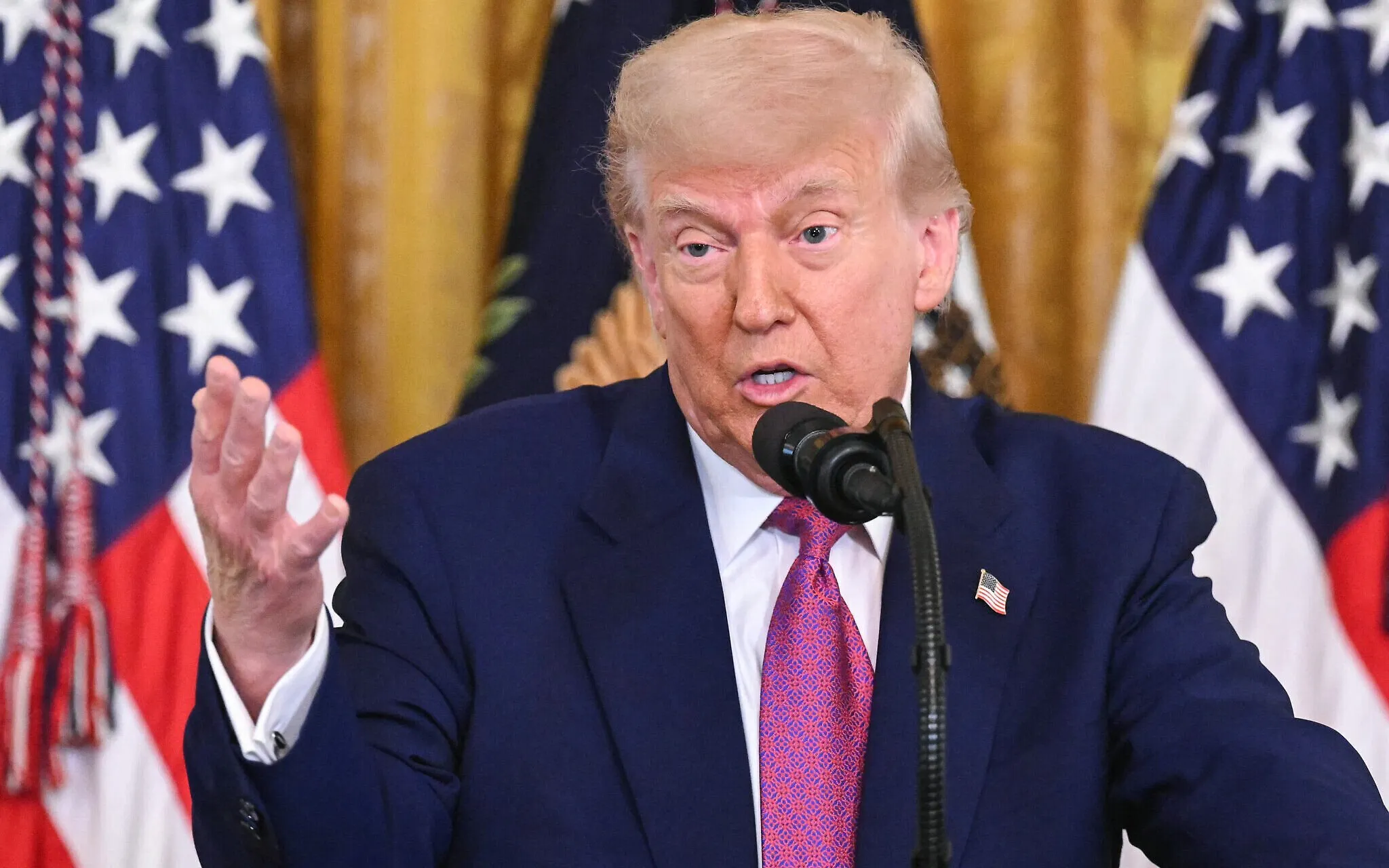
In a series of aggressive posts on Truth Social on Sunday, April 5, 2026, the U.S. President told Iran to “open the f***in’ Strait” or face “living in hell.” Trump set a rapidly approaching deadline for a deal by the afternoon of Monday, April 6, 2026. He further threatened that Tuesday, April 7, 2026, would be “Power Plant Day, and Bridge Day, all wrapped up in one, in Iran,” claiming “there will be nothing like it.”
The confrontation underscores the volatility of the Middle East, where the closure of the Strait of Hormuz—whether partial or full—has already triggered oil and gas shortages with severe implications for the global economy.
Tehran responded sharply to the threats. Mohammad-Bagher Ghalibaf, speaker of the Iranian parliament, posted on X that the United States is being dragged into a “living HELL” because President Trump insists on following the commands of Israeli Prime Minister Benjamin Netanyahu. Ghalibaf stated that the only viable solution is to respect the rights of the Iranian people and warned that the U.S. Would gain nothing through “war crimes.”
While the diplomatic rhetoric intensifies, military operations continue. U.S. Central Command confirmed that strikes on Iran are ongoing. The Pentagon and the president confirmed the successful rescue of two F-15E crew members who were captured after their jet was downed in Iran last week. The rescue operation reportedly involved Delta Force and SEAL Team Six in a “daring” mission utilizing reaper drones and a deception campaign.
The current crisis began approximately one month ago, driven by a strategy from the U.S. And Israel to force the Islamic government to capitulate through superior air and sea power. According to reports, the plan hoped that military pressure would ignite an internal uprising and lead to regime change. Although, this internal rebellion has not materialized, and the Iranian regime has instead mounted a robust defense, striking U.S. Bases across the Persian Gulf and launching significant attacks against Israel.
Analysts suggest that the U.S. And Israel may have underestimated Iran’s defensive capabilities and resilience. Prior to the outbreak of war, the Iranian government was facing intense international criticism and domestic pressure following the suppression of public protests. It was also grappling with the degradation of regional allies, including Hamas and Hezbollah, as well as the collapse of Bashar al-Assad’s regime in Syria.
With a decisive military victory appearing increasingly elusive, Notice growing indications that a pivot toward a diplomatic solution may be necessary. President Trump and military officials are scheduled to brief reporters at the White House at 1 p.m. ET on Monday, April 6, 2026.
The ongoing hostilities highlight a dangerous gamble in international diplomacy, as the U.S. Attempts to balance its goal of regime change against the risk of a prolonged regional war that could divert critical support from other global conflicts, such as the war in Ukraine.
Further updates on the U.S. And Israeli war with Iran and the latest ultimatums from Donald Trump are being monitored closely by international leaders.
