
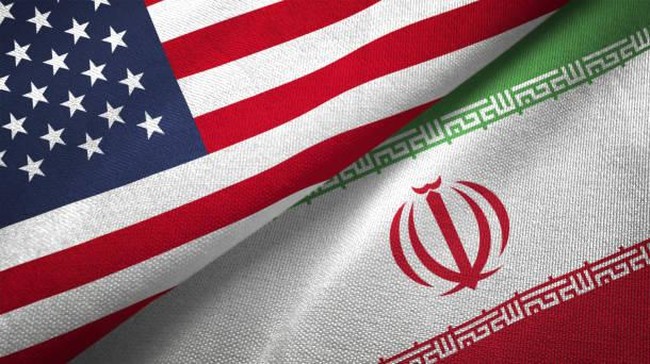
Jakarta, CNBC Indonesia – Escalating tensions involving the United States, Israel, and Iran are raising concerns about a significant impact on the U.S. Economy. The conflict in the Middle East has triggered a surge in global energy prices, potentially fueling inflation and threatening economic stability in the United States.
Recent attacks by the U.S. And Israel, followed by retaliatory actions from Iran, have sent shockwaves through global oil markets. The disruption to energy supplies, including the potential effective closure of the Strait of Hormuz – a vital waterway for approximately 20% of the world’s oil trade – is a key driver of the instability.
The immediate effect has been a rise in crude oil prices, with Brent crude reaching its highest level since July 2024. Economists are warning that increased oil prices will translate into higher gasoline prices for American consumers, a politically sensitive issue.
John Canavan, chief economist at Oxford Economics, stated, “Gas prices are likely to rise in the coming days.” He told AFP on Wednesday, March 4, 2026, that retailers typically respond quickly to geopolitical developments that could push prices higher.
Canavan added that U.S. Gasoline prices have already been trending upward since the beginning of January.
The increase in energy costs is expected to strain U.S. Households and threaten consumer spending, which accounts for roughly two-thirds of the U.S. Gross domestic product (GDP). This pressure could extend to other sectors, including transportation, and logistics.
James Knightley, an economist at ING, said higher energy prices could lead to more expensive airfares and increased costs for distributing goods. Even as the U.S. Is relatively self-sufficient in natural gas, he emphasized that domestic prices remain heavily influenced by global markets, meaning international price spikes also pose a risk to electricity costs.
“This will undoubtedly be a critical point for the U.S. Economy,” Knightley said.
He warned that if consumers are forced to spend more on gasoline and utility bills, financial pressures will intensify and potentially hinder economic growth, particularly if the conflict persists for several weeks. The development underscores growing regional economic vulnerabilities.
The situation also presents a political challenge for U.S. President Donald Trump. His administration is expected to work to contain energy price increases due to their direct impact on public sentiment leading up to the election.
Kathy Bostjancic, chief economist at Nationwide, said the government is acutely aware that affordability is a major concern for many households.
“Higher gasoline prices will negatively impact consumer confidence and sentiment. That could show up at the ballot box in November,” she said.
Meanwhile, the conflict in Iran has placed the U.S. Central bank, the Federal Reserve, in a difficult position. The risk of renewed inflation pressures keeps interest rates elevated, while a slowing economy and potential weakening of the labor market create room for monetary policy easing.
John Williams, president of the Federal Reserve Bank of New York, said the central bank still needs to assess the duration and sustainability of the conflict’s impact on prices. “We have to wait and see,” he said.
Knightley believes that short-term inflation risks craft interest rate cuts unlikely in the near future, despite growing pressures on the economy. He argues that the central bank must balance two conflicting goals: keeping inflation low and maximizing employment.
Add as a preferred
source on Google
