
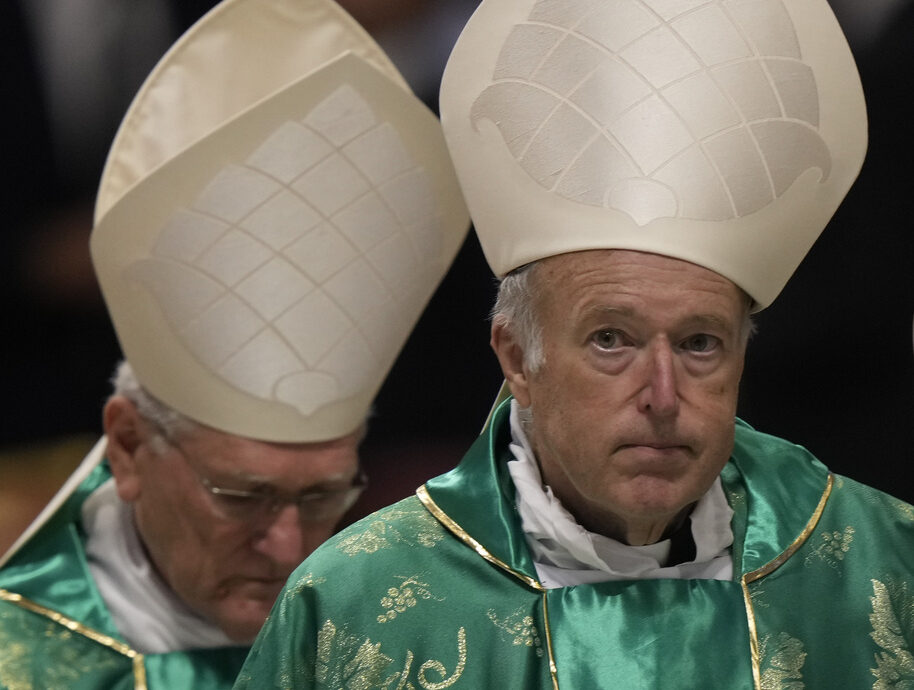
A leading Vatican official has questioned the justification for the recent U.S. And Israeli military actions in Iran, suggesting that the strikes may not be the appropriate response to regional tensions. The comments come as the conflict continues to escalate following the death of Iran’s Supreme Leader Ayatollah Ali Khamenei on February 28, 2026, and subsequent retaliatory attacks.
Cardinal Pietro Parolin, the Vatican’s Secretary of State, voiced his concerns in an interview with Vatican News on March 4, 2026, the fifth day of the U.S. And Israel-Iran war. He warned that recognizing a country’s right to wage “preventive war” based on its own criteria could have devastating consequences, potentially “setting the world ablaze.”
The cardinal expressed worry over what he described as an “erosion of international law” and a dangerous shift toward the “law of force” in international relations. “Justice has given way to force; the force of law has been replaced by the law of force,” Cardinal Parolin stated, “with the conviction that peace can arise only after the enemy has been annihilated.”
While stopping short of directly naming the United States or Israel, Cardinal Parolin emphasized that the use of force under the United Nations Charter should be reserved as a last resort, only after all diplomatic options have been exhausted and with careful consideration of necessity and proportionality. This development underscores growing regional tensions and the complexities of navigating international conflict.
Meanwhile, Iranian Christians living in exile are watching the unfolding events with a mixture of hope and fear. Bibi Sakine, an Iranian Catholic residing in England, reflected on the changes within Iran since the Islamic revolution, stating, “At one time, Christians were free and every religion respected in our country – but since the Islamic revolution, everything has been ruined and every sign of civilization demolished.” Although, she also expressed disagreement with the U.S. And Israeli military actions, believing that the overthrow of the current government should come from within Iran itself. Sakine shared her views as strikes continued against targets following Ayatollah Khamenei’s death.
Other exiled Iranians have noted a rise in secret Christian conversions due to harsh Islamist rule, but also fear potential repercussions if the current regime remains in power. Hossein Amiri, co-author of a February report on anti-Christian repression, said, “All minorities – Christians, Bahá’ís, Sunni Muslims and others – have been suppressed and forced into silence: whatever the price, we now just aim for this to end.” The situation highlights the plight of religious minorities within Iran and the potential for further instability.
Experts are also debating the ethical and legal implications of the strikes. A recent discussion hosted on YouTube featuring Catholic international relations experts explored whether the U.S.-Israel actions constitute a “just war.” The panel discussion delved into the complexities of applying just war theory to the current conflict.
