
New York stock markets closed lower on February 19, 2026, as rising tensions between the U.S. And Iran, coupled with concerns in the private credit market, weighed on investor sentiment. The Dow Jones Industrial Average, S&P 500, and Nasdaq Composite all experienced declines, while oil prices continued to climb.
The Dow Jones Industrial Average fell 267.50 points, or 0.54%, to close at 49,395.16. The S&P 500 decreased by 19.42 points, or 0.28%, finishing at 6,861.89. Meanwhile, the Nasdaq Composite dropped 70.905 points, or 0.31%, to 22,682.72. These declines reflect a broader market unease stemming from geopolitical risks and financial sector vulnerabilities.
The market’s downturn followed a statement by U.S. President Donald Trump, who called on Iran to return to the negotiating table regarding nuclear agreements, setting a ten-day deadline. Trump warned of potential repercussions if a “meaningful agreement” isn’t reached, fueling fears of a potential conflict. This escalation in rhetoric contributed to the heightened anxiety among investors.
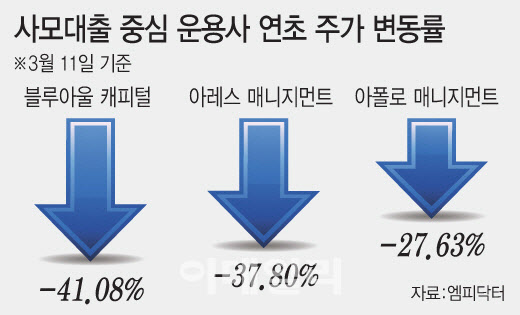
Adding to the market pressure, concerns emerged within the private credit sector. Specifically, Blue Owl Capital, a major alternative investment firm, reportedly informed investors that redemptions from its funds would be temporarily restricted. This move sparked liquidity concerns and contributed to the overall negative market sentiment. The situation highlights the potential risks associated with investments in less liquid alternative assets.
According to a report by the Asia Economic Daily, the combination of geopolitical uncertainty and private credit worries created a challenging environment for investors. The Wall Street Journal also reported that several large hedge funds, including Citadel, Millennium, ExodusPoint, and Point72, experienced losses due to the impact of the Iran situation. These losses demonstrate the widespread impact of the escalating tensions.
Rising oil prices further exacerbated the market’s concerns. Concerns surrounding the Hormuz Strait and the potential for supply disruptions contributed to the upward pressure on crude oil.
The market’s reaction underscores the sensitivity of global financial markets to geopolitical events and the interconnectedness of various financial sectors. Investors are closely monitoring developments in both the Middle East and the private credit space for further clues about the direction of the market.
