
The U.S. Treasury Department announced Thursday it will temporarily authorize countries to purchase Russian oil currently in transit, a move intended to mitigate the escalating crude oil prices spurred by the conflict in Iran.
Treasury Secretary Scott Bessent previewed the decision on his X account, estimating that hundreds of millions of barrels of oil could enter the market if sanctions on Russia are lifted. The move comes as global markets grapple with supply disruptions and rising energy costs.
Exemption of Sanctions
Bessent detailed that the sanctions exemptions allowing the sale and worldwide delivery of all Russian oil currently loaded onto ships will remain in effect only until April 11.
The new policy from the administration of President Donald Trump follows several hours of crude oil prices fluctuating above $100 per barrel. Last week, the Treasury already authorized India to access Russian oil stranded at sea for a period of 30 days, but is now extending the measure globally.
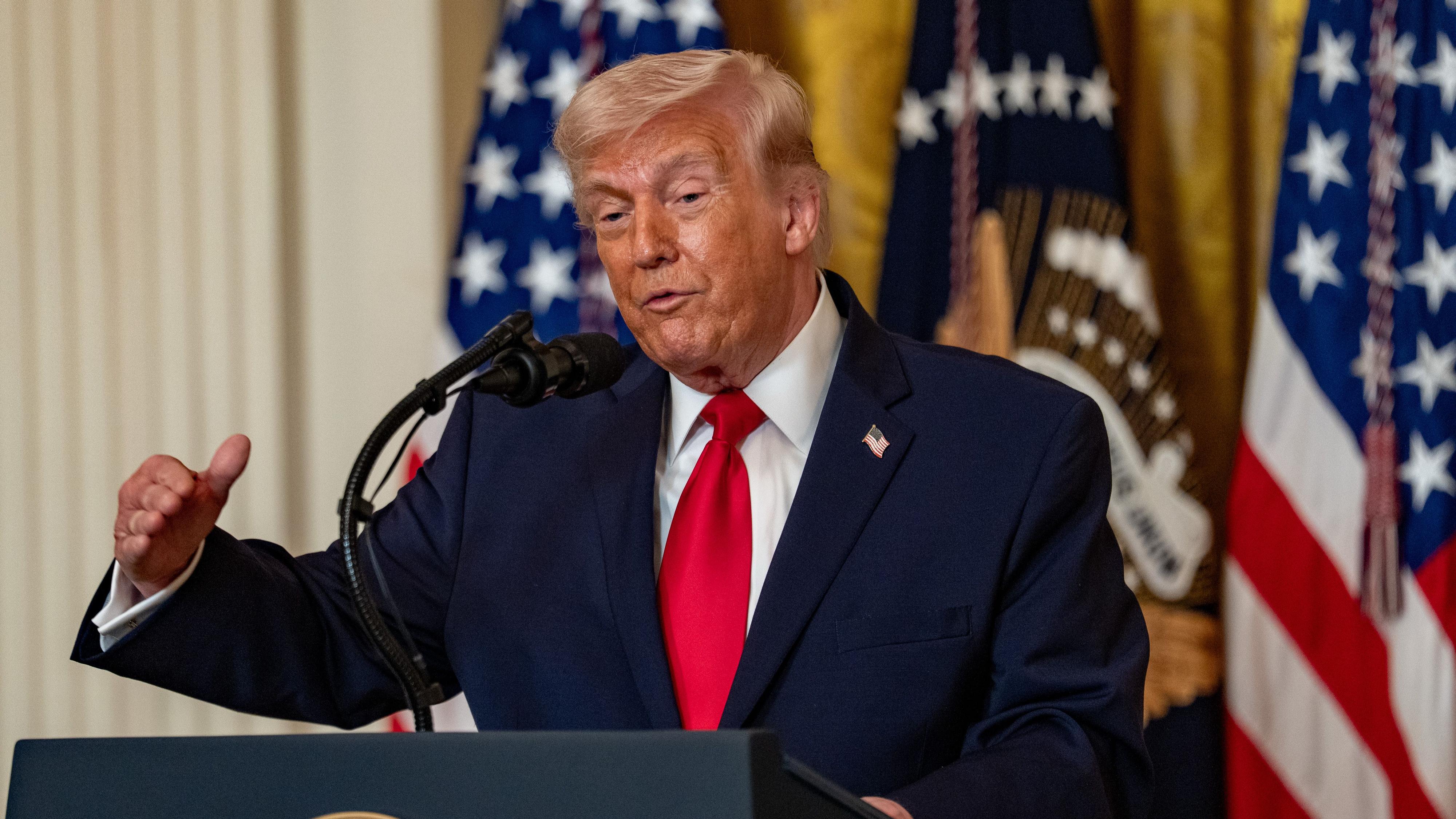
The Trump Administration emphasized that theoretically, lifting the sanctions will not provide a significant benefit to Russia. Trump asserted Thursday that the oil price increase caused by the conflict between Washington and Israel against Iran and the disruption of flow in the Strait of Hormuz, will bring “a lot of money” to his country – referring to domestic crude production – and insisted that his current priority is to destroy Iran’s nuclear program.
“Making Money” with Oil
The United States “is, by far, the largest producer of oil in the world, so when oil prices proceed up, we craft a lot of money,” the President wrote on his Truth Social network as the conflict enters its thirteenth day amid growing global concern over disruptions to crude and gas supply chains.
Rising oil and gas prices make producers of more difficult-to-extract hydrocarbon types, such as hydraulic fracturing or oil sands producers in the United States and Canada, more competitive.
