
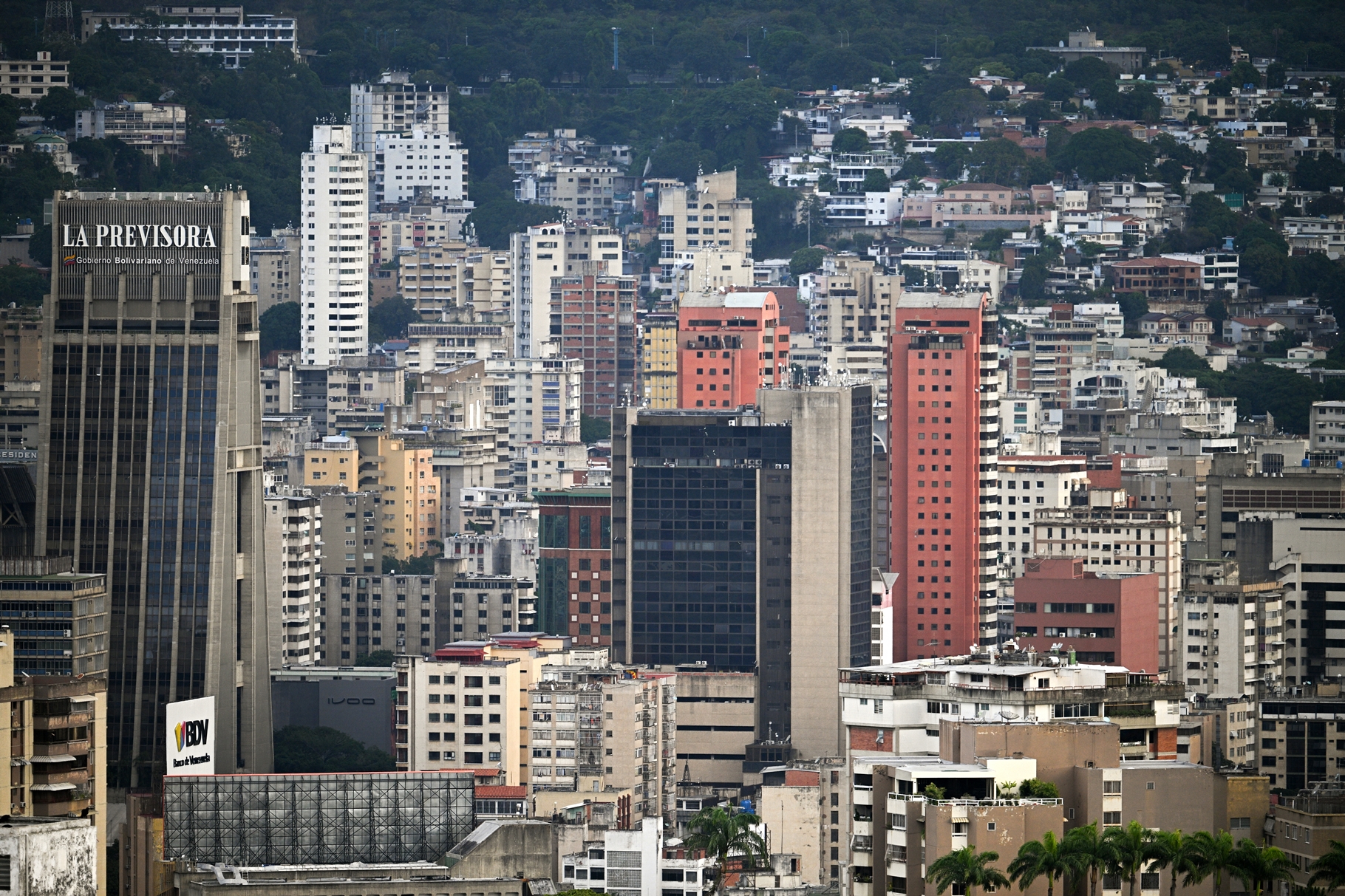
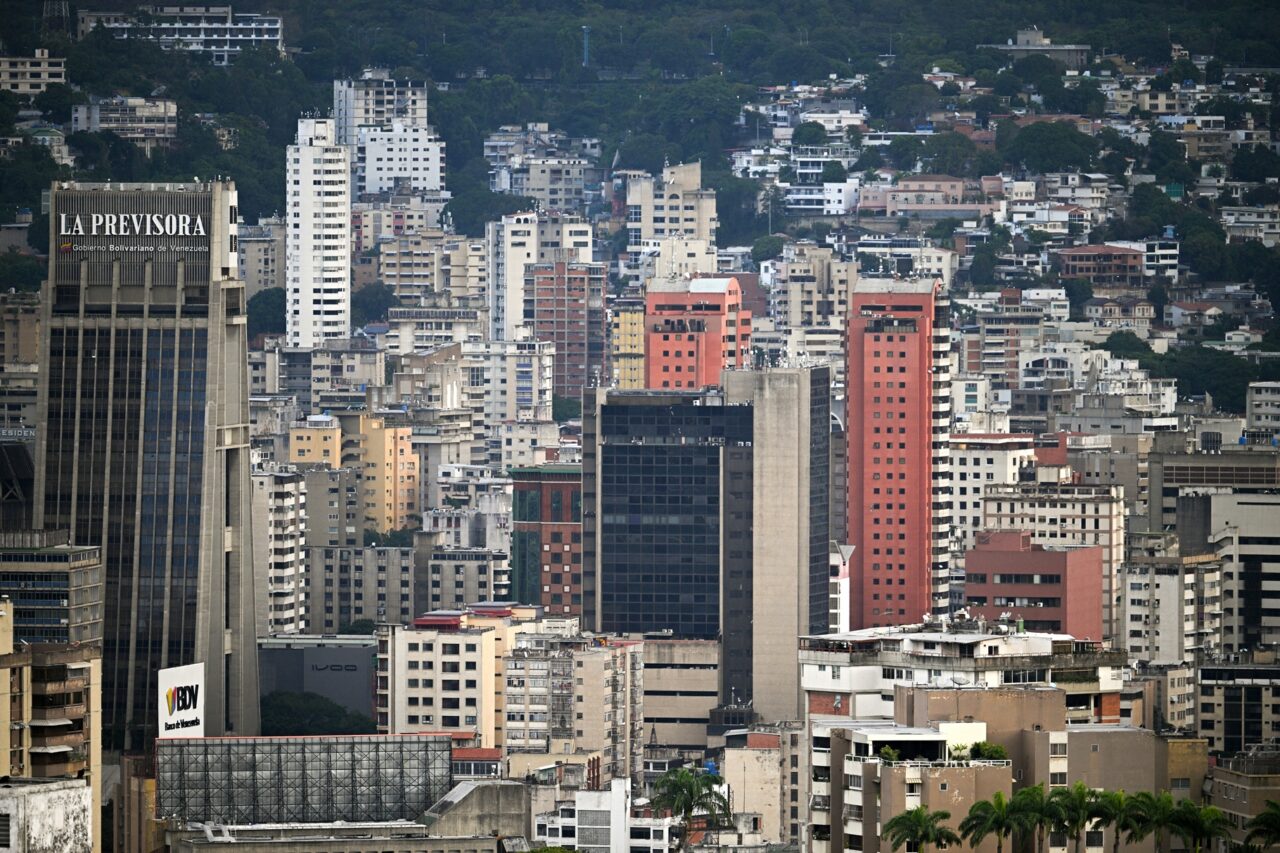
The Venezuelan real estate sector is not seeing fundamental factors that would justify recent price increases for properties and rentals, according to Pablo González, president of the Cámara Inmobiliaria de Venezuela. González stated that observed increases are driven by individual perceptions rather than actual market conditions.
“That increase doesn’t respond to any expectation other than the perception of an individual and the lack of professional advice,” González said, as reported by Bitácora Económica. He firmly maintained that “there is nothing that justifies a price increase,” and dismissed the notion that the current value per square meter reflects a strengthening of the sector.
Although acknowledging expectations for improvement at the start of 2026, González emphasized that raising prices is not the appropriate response. “The conditions of demand or the purchasing power of Venezuelans have not increased,” he added. The comments approach as the Venezuelan economy continues to navigate a complex period of recovery and stabilization.
A December report from the Universidad Católica Andrés Bello and Mercado Libre indicated that the average price per square meter in apartments in the capital city, Caracas, is currently $846. This data provides a benchmark for the current market, though González suggests it doesn’t support widespread price hikes.
The Cámara Inmobiliaria de Venezuela warned that setting prices above current market realities could lead to a slowdown in sales. González explained that if a property remains on the market for six months without a sale and then its price is increased, the likelihood of a successful transaction diminishes further.
Lack of Credit a Key Factor
González highlighted the critical role of long-term financing in the real estate business, a resource currently unavailable within Venezuela’s national banking system. “Without financing, there is no boost to demand that would justify increasing the value per square meter,” he stated. The absence of accessible credit is a significant impediment to growth in the sector.
The Cámara Inmobiliaria also pointed to a lack of new housing projects. According to the organization’s records, no new square meters of housing have been built in the country since 2012, a situation attributed to three legal instruments that are hindering investment.
These include the Rental Law, which establishes conditions considered risky by property owners for the recovery of their properties. “The imbalance in guarantees for the landlord has caused thousands of units to remain closed, outside the rental market,” González noted.
The Mortgage Debtor Law also presents challenges, preventing the agreement of mortgages or sales in foreign currency, limiting financing options in an economy that relies on foreign exchange and restricting transactions to cash payments. The Real Estate Fraud Law carries potential prison sentences for delays in project delivery, leading investors to withdraw from the housing segment due to associated criminal risks.
“If this legal framework is reviewed or revised, it could incentivize housing production, which translates into job creation,” González said.
Outlook for the Year Ahead
Given the lack of clear growth projections due to the volatility of economic indicators, the Cámara Inmobiliaria de Venezuela will focus its efforts on training its members. The organization is preparing its members for the increasing demands of international companies entering the market.
“From 2026 onwards, the market will be one of demand and will determine the consulting capacity of professionals. We are preparing our members for the realities of compliance that foreign companies will demand,” González expressed. The Cámara Inmobiliaria de Venezuela, led by Pablo González Travieso, Ingrid Suárez Infante, Janette Díaz Ramos, César López, Oswaldo Ablán Candia, and Enrique Rodríguez, is a key voice for the industry, representing over 7,500 affiliates (Cámara Inmobiliaria de Venezuela).
