
A Novel Matcha Tea House Opens in Waterloo Amidst Growing Supply Concerns
Waterloo is preparing for the imminent opening of a unique tea house dedicated entirely to matcha, a vibrant green tea gaining popularity worldwide. The new establishment will also offer yoga sessions, aiming to capitalize on the growing wellness trend surrounding the beverage.
The project is spearheaded by Xiomara Quintero, founder of Maison Ma, who explains that “matcha is first and foremost a particularly special tea.” She notes that it originates from a single annual harvest and is deeply rooted in Japanese tradition, particularly the tea ceremony. “Originally, We see consumed in a very quiet, almost meditative moment.” This ancient ritual is now attracting a global following.
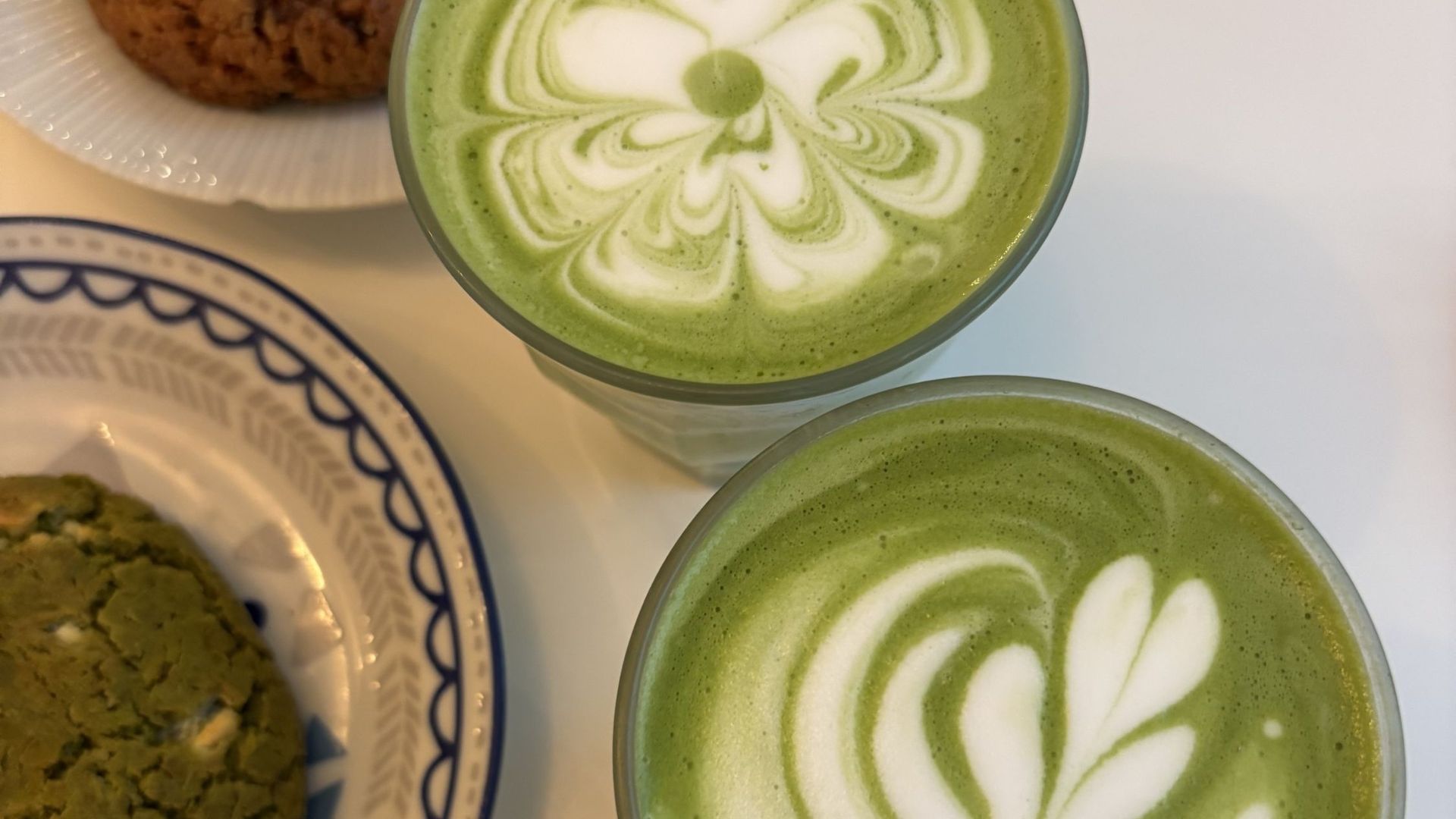
While traditionally enjoyed plain, matcha has been adapted in Western cultures, most notably as a latte with milk, often sweetened or flavored. According to Quintero, “Today, it is mostly found as a latte, with milk, sometimes sweetened or flavored. It’s very different from the traditional use, but it clearly contributes to its success.” This adaptation has fueled a surge in demand, heavily influenced by social media where matcha has become a lifestyle icon.
Demand Outstrips Supply, Spring 2026 Will Be Critical for Matcha Production
However, the rising popularity of matcha is creating challenges for producers. Supply is struggling to keep pace with demand, and a sense of scarcity is emerging. “We are already feeling a certain rarity of the product,” Quintero observes. “We are reaching a point where demand clearly exceeds what producers can supply.”
Industry experts confirm this trend. François Vanden Brulle, a tea market specialist, emphasizes that the coming months will be crucial. “Matcha depends on very specific climatic conditions. There is only one harvest per year, so each event has a direct impact on the available volumes.” Recent signals are not encouraging, as last year’s heatwave in Japan led to harvest declines of 15 to 40 percent in some regions, already contributing to market tensions.
All eyes are now on this spring’s harvest. “We need to hope there are no climatic incidents. Otherwise, we risk seeing the shortage worsen in the coming months,” Vanden Brulle stated. The potential for supply disruptions highlights the vulnerability of specialized agricultural products to climate change and underscores the importance of sustainable farming practices to ensure continued availability of this increasingly popular beverage.
