
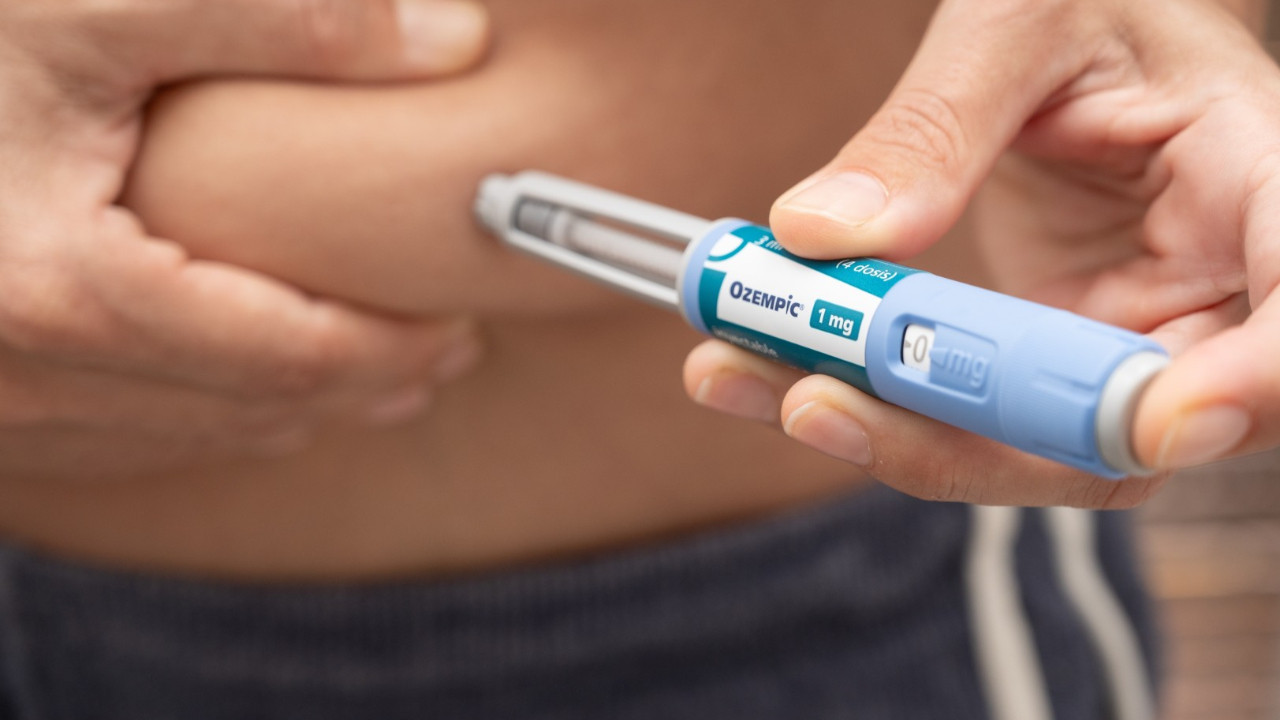
Patients undergoing weight loss injections may regain a significant portion of the weight lost if they discontinue treatment, according to a novel study.
The research indicates that individuals using medications like Mounjaro or Wegovy can expect to regain approximately two-thirds of their lost weight within the first year after stopping treatment.
Researchers found that weight regain slows over time, with patients able to maintain roughly 25% of their initial weight loss in the long term.
WEIGHT LOSS MAY INCLUDE SIGNIFICANT MUSCLE MASS
A substantial amount of weight lost during treatment—around half—may be muscle mass, experts say.
If weight gained after treatment cessation is largely fat, individuals could end up with a worse fat-to-muscle ratio than before starting the medication, potentially leading to long-term health consequences.
This finding highlights the importance of considering body composition changes alongside overall weight when evaluating treatment success.
HOW DO GLP-1 MEDICATIONS WORK?
Weight loss injections belong to a class of drugs known as GLP-1 receptor agonists.
These medications mimic the action of GLP-1, a naturally occurring hormone in the body, helping to regulate blood sugar levels and suppress appetite, leading to reduced food intake.
Initially developed for type 2 diabetes treatment, some of these drugs have since been approved for obesity management.
DATA FROM MORE THAN 3,200 PEOPLE ANALYZED
The study, conducted by researchers at Cambridge University, analyzed data from six clinical trials involving over 3,200 participants using these medications.
Results showed that participants regained an average of 60% of their lost weight 52 weeks after stopping medication use.
The research was published in the journal eClinicalMedicine.
Researchers noted that the findings demonstrate substantial weight regain following discontinuation of GLP-1 medications.
WEIGHT GAIN SLOWS AFTER A PERIOD OF TIME
According to the study, weight regain begins to slow down after 60 weeks off treatment.
At this point, patients have regained approximately 75% of their initially lost weight, meaning about 25% of the total weight loss can be sustained.
EXPERTS EMPHASIZE LIFESTYLE CHANGES
Brajan Budini, one of the study’s authors, explained that these medications work by suppressing appetite and promoting earlier feelings of fullness.
“When people stop taking these medications, the suppression of appetite is removed, which can lead to rapid weight gain,” Budini said.
Researchers also emphasized the need for future studies to examine how weight regain impacts fat and muscle composition.
Steven Luo, another author of the study, stated that both doctors and patients should be prepared for the risk of weight gain when discontinuing weight loss medications.
