
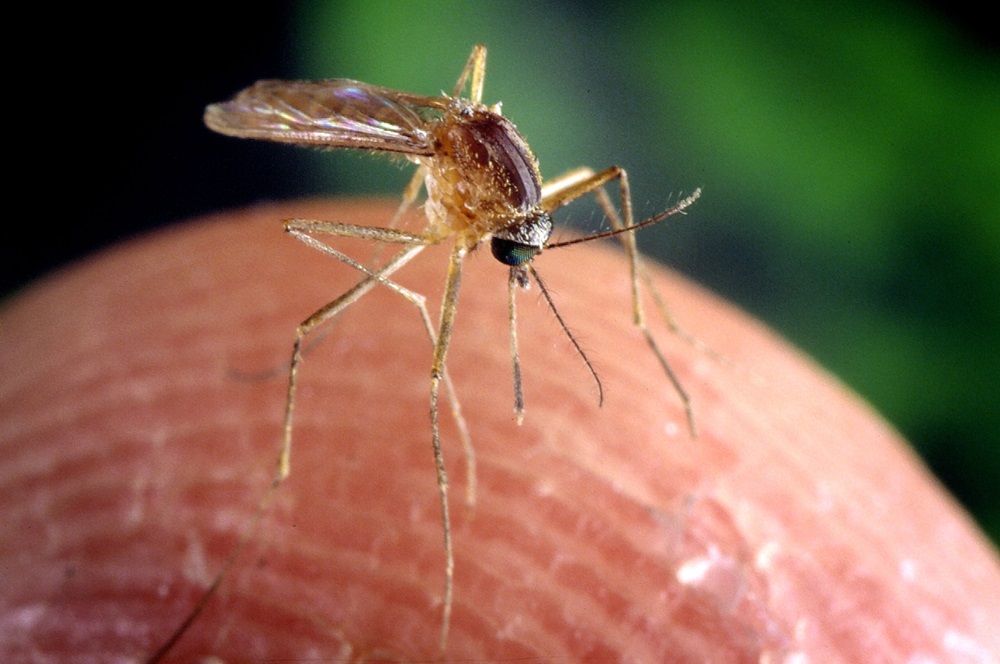
A major risk factor for severe West Nile virus infection has been identified through an international clinical study coordinated, in part, by the Geneva University Hospitals (HUG) and Rockefeller University in Modern York.
The virus, primarily spread by mosquitoes, has become a growing public health concern following its recent emergence in Europe and Switzerland. Understanding the factors that contribute to severe illness is crucial for protecting vulnerable populations as the virus expands its reach.
The study, published in the Journal of Human Immunity, reveals that individuals carrying certain auto-antibodies are up to 2,000 times more likely to develop encephalitis – a severe inflammation of the brain – compared to those without them. Encephalitis occurs in 0.5% of West Nile virus cases and can be fatal.
Researchers note that the virus, historically confined to tropical regions, is progressively gaining ground in Europe and Switzerland due to climate change. “We are now seeing a sustainable establishment of the virus in northern Italy, around the Po Valley. It is also present in Ticino,” said Dr. Alessandro Borghesi, principal investigator of the study and an associate physician at the HUG’s Neonatology and Pediatric Intensive Care Service, and a visiting professor at the University of Geneva (UNIGE).
Approximately 80% of West Nile virus infections are asymptomatic, while around 20% develop flu-like symptoms that do not require hospitalization. Yet, about 0.5% of infections progress to severe illness, characterized by encephalitis, which can lead to death in one in five cases or significant neurological complications in half of those affected. Currently, We find no specific treatments for West Nile virus, meaning those with severe forms require hospital care, often in intensive care units to support vital functions.
While severe cases remain rare, Dr. Borghesi explained they can overwhelm healthcare centers during outbreaks. “This was the case in Italy, where more than 2,000 cases of encephalitis associated with the virus were recorded between 2018 and 2022. In Israel, which faced the largest known outbreak to date, several hundred people were treated in intensive care in 2024,” he said. The study aims to better identify individuals at risk of severe illness to implement preventative measures in light of the lack of available treatments.
When Immunity Fights Against Itself
Type I interferons are molecules produced early by the body to control viral infections. However, some otherwise healthy individuals have auto-antibodies – antibodies that attack the body’s own tissues – circulating in their blood, neutralizing these crucial immune messengers. “These people live unknowingly with an invisible vulnerability. They can cope with most infections, but in the case of a first-time infection with a new virus, like West Nile virus, this flaw is revealed,” explained Dr. Borghesi.
The results confirmed that anti-interferon antibodies are absent in people with asymptomatic or mild infections, but present in 40% of those hospitalized with encephalitis. The presence of these antibodies increases the risk of developing encephalitis by a factor of 20 to 2000.
In a previous study, the research team had identified these auto-antibodies as a risk factor for encephalitis following West Nile virus infection. This larger-scale study, analyzing 13 independent international cohorts of individuals infected with the virus between 2022 and 2024 – including those in Italy, Israel, and the United States – aimed to validate those findings.
Toward Targeted Screening and Prevention
This discovery opens up concrete possibilities for public health interventions. Screening could be considered, particularly for individuals over 65, who are at higher risk of severe illness. “This would allow us to identify at-risk individuals and adapt preventative measures or, if a vaccine is ever developed, vaccination,” Dr. Borghesi said. The findings also offer insights into severe forms of other viral illnesses, such as tick-borne encephalitis, COVID-19, and influenza, which may involve a similar mechanism. The research could ultimately lead to more effective strategies for managing a range of infectious diseases.
