

The Science of “Super-Agers”: How Some Brains Defy the Aging Process
Although cognitive decline is often viewed as an inevitable part of growing older, a rare group of individuals known as “super-agers” is challenging this narrative. These individuals, all over the age of 80, possess memory capabilities that mirror those of people 30 to 40 years younger, effectively maintaining the cognitive function of a 50-year-old well into their senior years.
Understanding the biological mechanisms behind this resilience is a priority for the scientific community, as these findings could eventually lead to new strategies for delaying brain aging and preventing the onset of Alzheimer’s disease for the general population.
Anatomical Secrets of the Super-Aged Brain
Research indicates that the brains of super-agers possess an exceptional anatomy that makes them resistant to the typical wear and tear of aging. While the average brain begins to show signs of decline as early as age 30—with the cerebral cortex typically reducing by up to 5% between the ages of 40 and 50—super-agers seem largely immune to this process.
Imaging studies have revealed that the cerebral cortex in these individuals remains remarkably well-preserved. Specifically, the cingulate cortex—a region critical for motivation, attention, and memory—is found to be significantly thicker in super-agers than it is in even younger adults.
Beyond structural thickness, some evidence suggests a dynamic cellular advantage. Findings indicate that the brains of super-agers not only continue to generate new neurons but may produce them at a higher rate than their peers and nearly double the rate of much younger adults.
The Role of Social Connectivity in Cognitive Health
While biological factors play a significant role, researchers emphasize that lifestyle and environmental influences may be equally vital. Maintaining robust social ties and fostering positive, trusting, and warm friendships are believed to be key factors in preserving memory and slowing cognitive deterioration as people age.
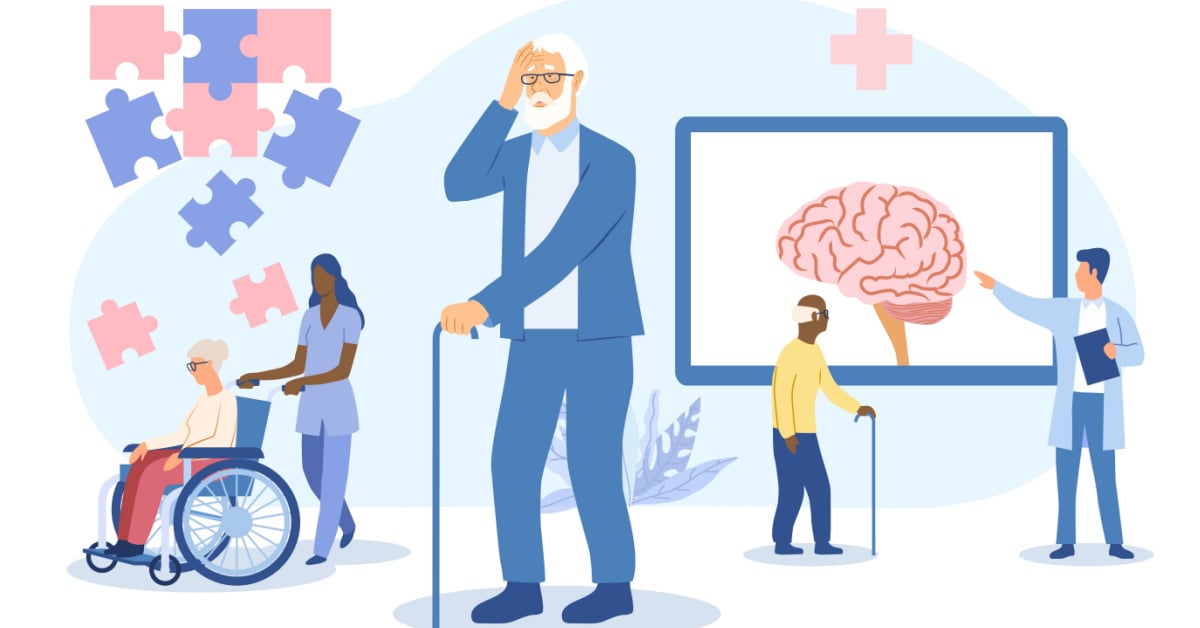
This intersection of social wellness and neurological health underscores the importance of community engagement in maintaining long-term mental acuity.
Insights from Global Research
The study of these individuals has spanned several decades and institutions. At Northwestern University in Chicago, memory tests conducted on volunteers revealed that a small percentage of seniors could recall dates, word lists, and intricate story details with a precision usually seen in people decades younger.
Further data from the Netherlands provides a promising outlook for those who reach extreme old age. The research suggests that individuals who reach 100 years of age with their mental faculties intact are likely to maintain that sharpness for the remainder of their lives. Remarkably, this cognitive resilience persists even in cases where the brain shows the presence of plaques and tangles typically associated with Alzheimer’s disease.
These discoveries highlight a significant gap between biological brain pathology and actual cognitive performance, offering a new perspective on how the human brain can withstand the effects of time.
